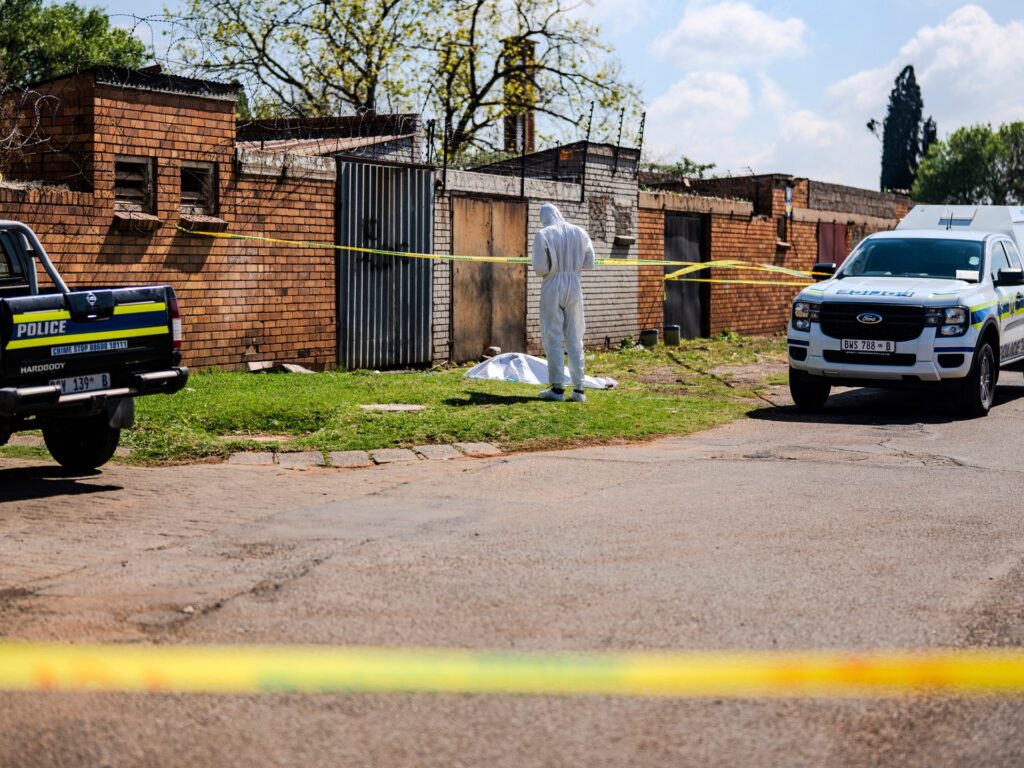
In a distressing and urgent crisis, South Africa finds itself grappling with a rampant wave of femicide that has left communities shattered and authorities under immense pressure. Within just two months, the bodies of nine women have been discovered in a single Johannesburg neighborhood, igniting deep fears about the safety and security of women across the nation.
Femicide, the gender-based killing of women, has been a long-standing issue in South Africa, but recent developments underscore the severity and scale of the problem. Experts and activists describe the situation as nothing less than a war—a brutal and relentless assault on women’s lives that calls for immediate and comprehensive action.
The Johannesburg neighborhood, where these tragedies have unfolded, reflects the grim reality faced by many women in South Africa. Despite efforts to combat violence against women, social, economic, and cultural factors continue to exacerbate the vulnerability of females. High levels of poverty, systemic gender inequality, and entrenched patriarchal attitudes contribute to a toxic environment where violence is often normalized.
Community members have expressed outrage and sorrow, demanding stronger protective measures and justice for the victims. Local authorities have come under scrutiny for their response, with calls for increased policing, better resources for victims, and swift prosecution of perpetrators. The emotional toll on families and neighbors is profound, as fear and grief permeate daily life.
Government officials have acknowledged the gravity of the crisis, committing to bolstered enforcement of laws against gender-based violence and expanded support services for survivors. Initiatives aimed at education and prevention are also being prioritized to change societal attitudes and reduce incidence rates.
Civil society organizations and activists play a crucial role in this battle, offering counseling, safe spaces, and advocacy while pressing for policy reforms. Their work highlights the need for a multifaceted approach that combines law enforcement with community engagement and empowerment.
National and international attention has amplified as reports of such killings continue to emerge, sparking debates on human rights, safety, and the urgent need for systemic change. The international community has expressed solidarity, urging South Africa to redouble its efforts to protect women and uphold their dignity.
This unfolding tragedy is a stark reminder that femicide is more than isolated incidents—it is a pervasive threat that undermines the fabric of society. The call to action is clear: a concerted, sustained campaign involving government, civil society, communities, and individuals is essential to end this war against women and ensure a safe and just future.
As South Africa confronts this crisis, the resilience and courage of its women and advocates shine through, embodying hope that meaningful change is possible. The journey toward eradicating femicide is arduous, but the imperative to protect human life and uphold justice compels relentless effort.
Ultimately, this battle is a defining moment for South Africa, testing the nation’s commitment to gender equality and human rights. Only through comprehensive reforms, societal transformation, and unwavering dedication can the cycle of violence be broken and peace restored to the communities devastated by this ongoing epidemic.