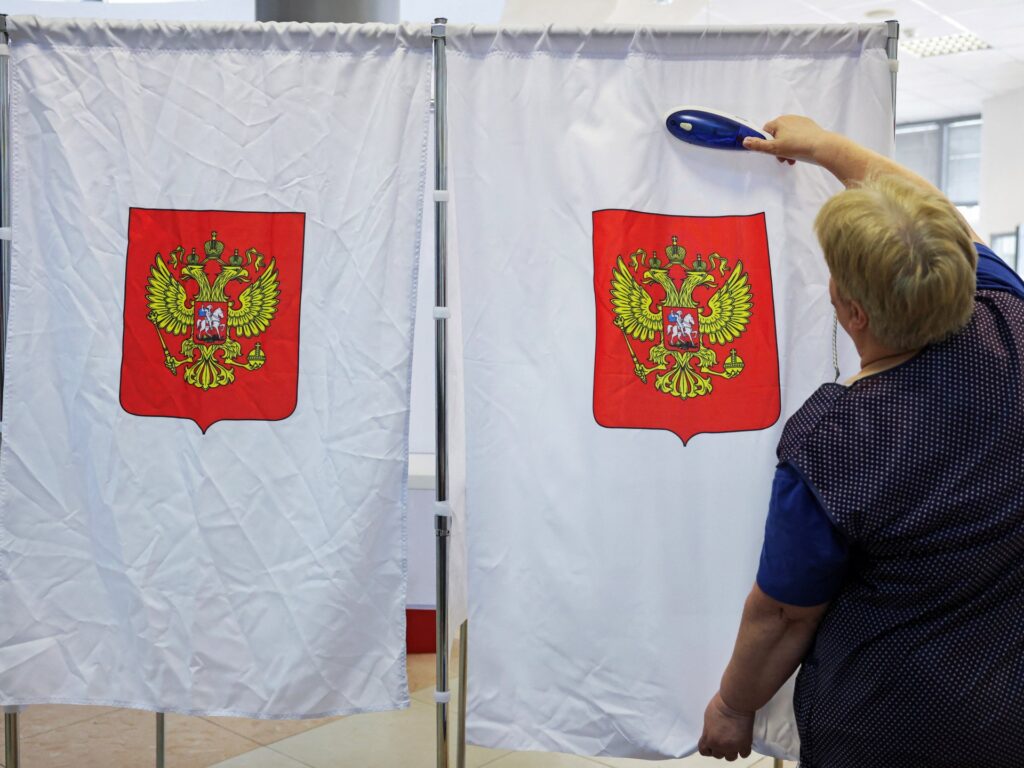
As Russia prepares for its upcoming parliamentary election, the political landscape is once again center stage, highlighting the ongoing dominance of the ruling party, United Russia. The 2021 elections saw United Russia securing over two-thirds of the seats in the State Duma, reaffirming its stronghold on Russian politics, and all indications are that this trend will continue.
The State Duma, the lower house of Russia’s Federal Assembly, consists of 450 seats. The election’s outcome is crucial as it shapes the legislative framework for the country over the coming years, influencing policy direction, domestic governance, and Russia’s international stance.
United Russia, closely associated with President Vladimir Putin, remains the dominant force. Its overwhelming victory in 2021 underscored its control and the limited competition it faces from other political parties. With this upcoming election, the party aims to solidify its grip, continuing to push forward its political agenda without significant opposition.
Other parties on the ballot include the Communist Party of the Russian Federation (KPRF), the Liberal Democratic Party of Russia (LDPR), and A Just Russia — Patriots — For Truth. These parties represent the spectrum of political alternatives but have historically struggled to challenge United Russia’s dominance effectively.
The Communist Party appeals primarily to older voters nostalgic for the Soviet era and those discontented with economic disparities. The LDPR, despite its name, is known for its nationalist and populist rhetoric, often stirring controversy. A Just Russia projects itself as a social-democratic alternative but has limited influence.
Independent candidates and smaller parties also participate, but the electoral system and political climate present significant hurdles to their success. State media control, candidate registration restrictions, and political pressure are often cited by critics as barriers that undermine fair competition.
Why does this election matter? Primarily, it determines the legislative body’s composition that enacts laws shaping Russia’s future. The Duma influences economic policies, social programs, and foreign relations. A strong pro-government majority ensures that President Putin’s administration can pass legislation with little resistance.
Additionally, the election serves as a barometer for political sentiment within Russia. High voter turnout and support for United Russia are portrayed as endorsements of the current government’s policies. Conversely, any surge in opposition votes could indicate growing dissent and potential unrest.
The international community closely watches these elections, often critiquing them for lack of genuine competition and restrictions on political freedoms. Western nations frequently impose sanctions or express concern over the election process, linking it to broader geopolitical tensions.
Domestically, the election also affects political dynamics beyond the Duma. Regional governance, local political actors, and civil society groups all feel the ripple effects of who controls the federal legislature.
In conclusion, Russia’s parliamentary election is more than a routine political event. It is a pivotal moment that will shape the country’s legislative future, reflect political power balances, and signal the state of Russian democracy. Observers inside and outside Russia are keenly interested in the outcomes, making this election a critical point in Russia’s political timeline.