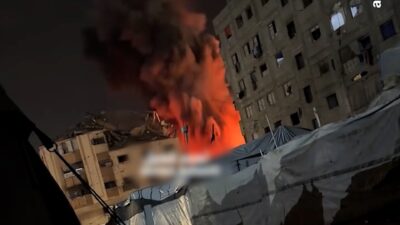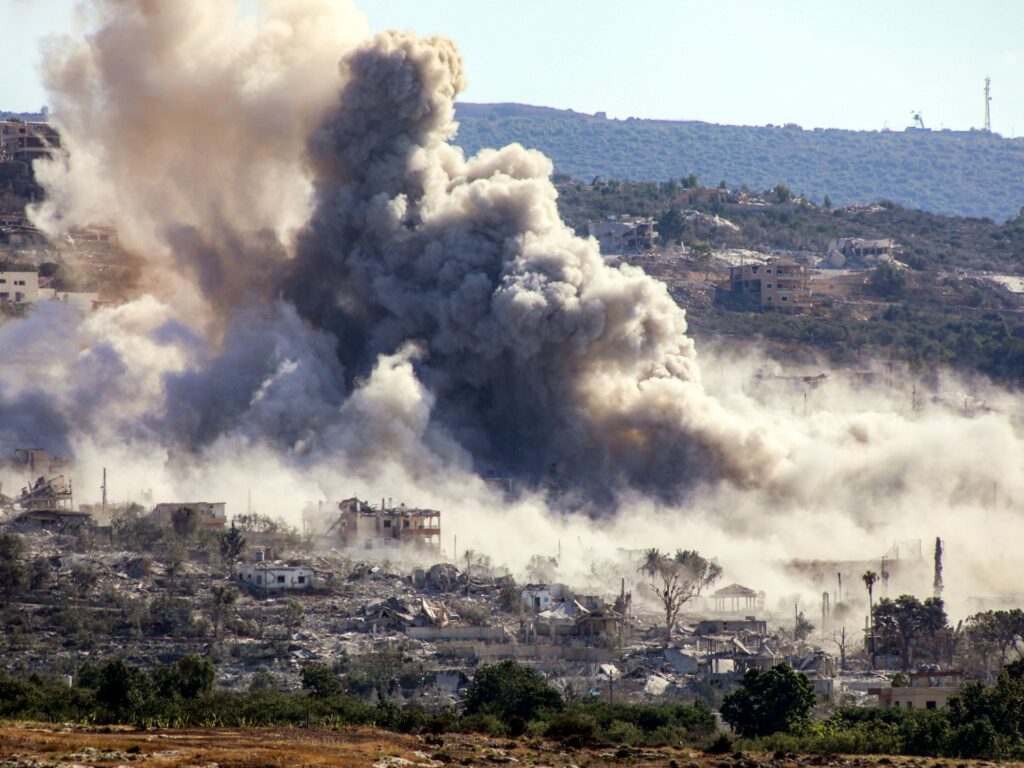
An intense military engagement unfolded in southern Lebanon as Israeli forces advanced, resulting in two individuals injured due to Israeli shelling. This flashpoint occurred amidst rising tensions in the region, drawing significant attention to the fragile security situation along the Lebanese border.
The incident began when Israeli troops launched a shelling operation aimed at strategic positions in southern Lebanon. The attack inflicted injuries on two people, highlighting the human toll of the ongoing conflict in the area. Following the shelling, troops moved forward towards the outskirts of a town in southern Lebanon, an area that has often been contested in recent skirmishes.
However, the Israeli forces encountered resistance in the form of Lebanese troops, who mounted a standoff that prevented further advancement into the town. The confrontation between the two sides underscored the volatile and tense atmosphere, reflecting the broader instability in Lebanon and its border regions.
After assessing the situation on the ground and facing organized Lebanese military presence, Israeli forces decided to withdraw from the outskirts of the town. This withdrawal was seen as a tactical move, likely aimed at de-escalation amid fears of a wider conflict breaking out in the already fragile zone.
The event marks the latest in a series of confrontations between Israeli and Lebanese forces, stemming from longstanding geopolitical disputes and security concerns. Analysts warn that such incidents, even when brief and localized, have the potential to ignite larger-scale violence if not carefully managed by both sides.
International observers have called for calm and restraint from all parties involved, emphasizing the need for dialogue and diplomatic solutions to prevent further bloodshed and preserve regional stability.
In the wake of this incident, the humanitarian impact is notable, with medical teams responding to the injured and local communities bracing for possible future escalations. The broader geopolitical implications continue to evolve as governments and stakeholders monitor the situation closely.
The latest developments in southern Lebanon serve as a stark reminder of the precarious balance in the region and the urgent necessity for peaceful conflict resolution mechanisms to address the root causes of violence and foster lasting peace.