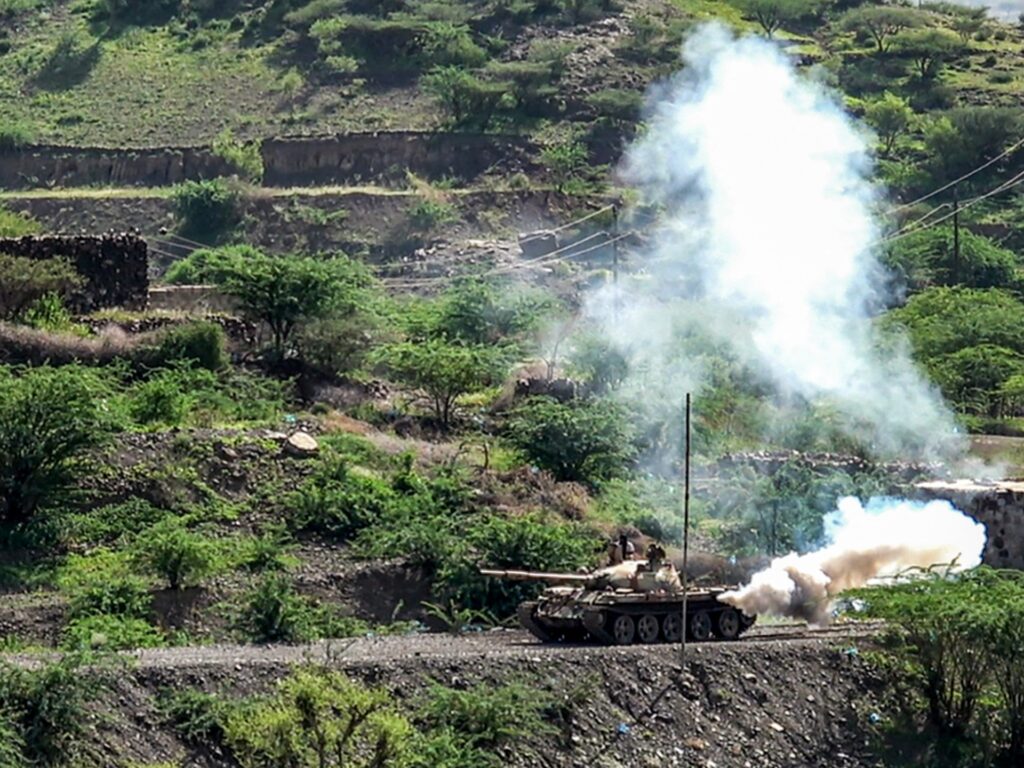
In the complex and ongoing conflict in Yemen, Yemeni forces have intensified their operations against the Houthi rebels. These developments come at a time when the United States has clarified that it will not take a direct military role in the conflict. This stance marks a significant point in the international approach to the war, as global attention shifts toward strategic support rather than direct engagement.
The Yemeni government’s targeting of Houthi positions is part of a broader effort to regain control and stabilize the nation. The Houthis, who have been a central actor in the Yemeni civil war, continue to pose a formidable challenge. Their influence in Yemen has prompted various domestic and international responses.
Parallel to these developments, Saudi Arabia, a key regional player involved in Yemen, has requested missile defence support from its allies. The kingdom’s need for enhanced missile defence capabilities is driven by the persistent threat of missile attacks from the Houthis. These attacks have endangered Saudi civilians and infrastructure, underscoring the critical nature of the defence support request.
The US, traditionally a major supplier and supporter of Saudi defence systems, is now contending with dwindling stocks of missile interceptors. This reduction in available interceptors complicates the US’s ability to provide robust defence support. Despite this, the US continues to maintain its strategic alliance with Saudi Arabia, focusing on logistical and intelligence support while publicly refraining from direct combat involvement in Yemen.
The interplay of these factors—the Yemeni forces’ ongoing offensives, the US decision to avoid direct military action, and Saudi Arabia’s urgent pleas for enhanced missile defence—illustrates the multifaceted nature of the conflict. It highlights the delicate balance of regional security, international diplomacy, and military logistics.
Analysts warn that the ongoing Yemeni conflict remains volatile, with shifting alliances and evolving military tactics. The Houthis’ capacity to launch missile attacks remains a critical security concern for the region. Saudi Arabia’s request for missile defence support is seen as a strategic move to bolster its national security and protect its population.
Meanwhile, the US’s position reflects a cautious approach, emphasizing support roles over combat roles, driven by logistical constraints and broader geopolitical considerations. This approach is indicative of a larger trend where global powers are increasingly selective about direct military involvement while still investing in alliance and support structures.
The situation in Yemen remains complex, with humanitarian concerns compounding the military and political challenges. Efforts toward a peaceful resolution are ongoing but face numerous obstacles, including deep-rooted political divisions and external influences.
In conclusion, the Yemeni conflict continues to evolve with Yemeni forces actively challenging Houthi control, Saudi Arabia seeking critical defence assistance, and the US recalibrating its role amid logistical challenges. These dynamics underscore the intricate nature of contemporary conflicts where military action, international alliances, and strategic resource management intersect.