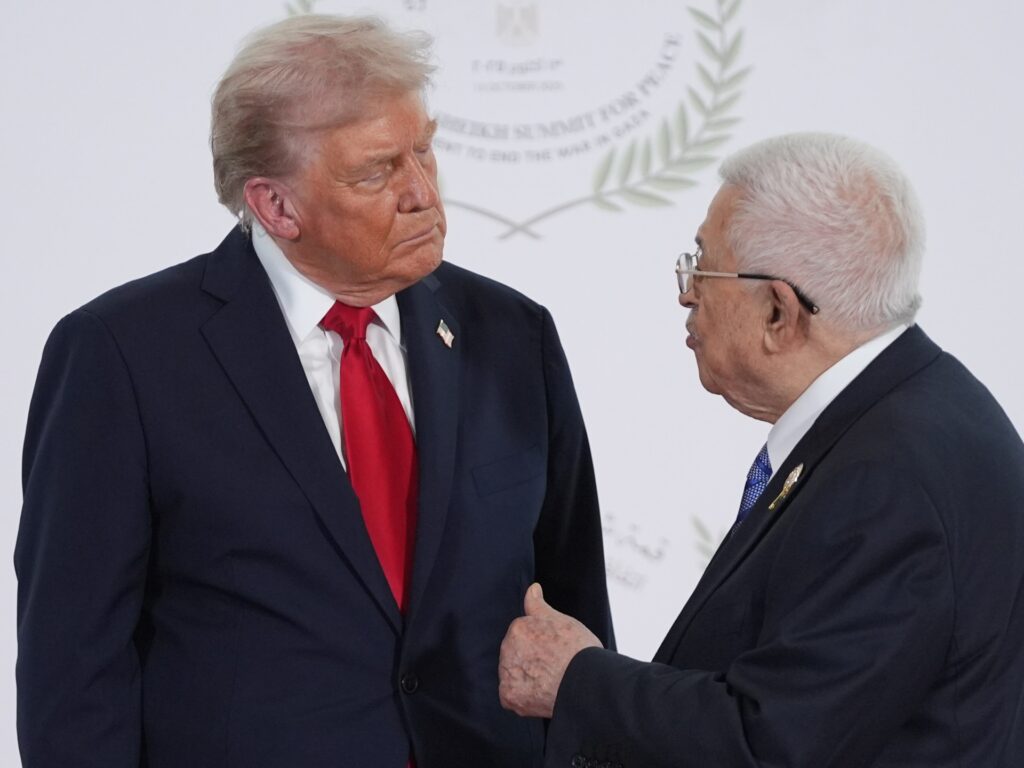
The United States has decided to extend its visa ban on a number of Palestinian officials, including Palestinian President Mahmoud Abbas, just before the UN General Assembly convenes. This move marks the second consecutive year that these officials are barred from entering the US, further straining relations between the US and Palestinian leadership. The decision comes amid ongoing tensions and diplomatic challenges in the region.
The visa restrictions primarily target top Palestinian Authority figures, a reflection of US policy that links the movement of these officials to the broader context of Israeli-Palestinian peace negotiations and security concerns. The ban restricts their ability to travel to the United States, thus limiting diplomatic engagement opportunities ahead of significant international forums such as the UN General Assembly.
Palestinian officials have condemned the ban, calling it a political measure that undermines efforts for peaceful dialogue and dialogue sovereignty. Mahmoud Abbas, in particular, has been vocal about his stance on the issue, emphasizing the need for international support to advance Palestinian statehood and rights.
The US government, for its part, has stated that the visa restrictions are part of its broader foreign policy framework designed to reinforce certain conditions for peace talks and cooperation. Officials have noted that the ban will remain in place until there are changes in the policies or actions of the Palestinian Authority that the US deems necessary.
This extension of the visa ban is expected to impact diplomatic interactions and discussions at the UN General Assembly, where Palestinian leaders typically seek to gain support for their positions on sovereignty, rights, and recognition.
The ongoing visa restrictions illustrate the complex dynamics of US-Palestinian relations amid a backdrop of regional conflicts and international diplomacy. As the global community watches the UN General Assembly sessions, the implications of such policies underscore the challenges in achieving progress toward peace in the Middle East.
Analysts suggest that this move by the US may affect not only bilateral relations but also influence broader international efforts, including initiatives led by European and Arab nations aiming to mediate conflict resolutions in the region. Palestinian officials are expected to continue advocating for international platforms to present their case, relying increasingly on multilateral support despite limitations imposed by the visa bans.
In summary, the US extension of the visa ban on Palestinian officials highlights persistent tensions and diplomatic hurdles that accompany efforts to resolve one of the most protracted conflicts in modern history. As the UN General Assembly meets, the absence of key Palestinian figures in the US remains a significant point of contention in international diplomacy.