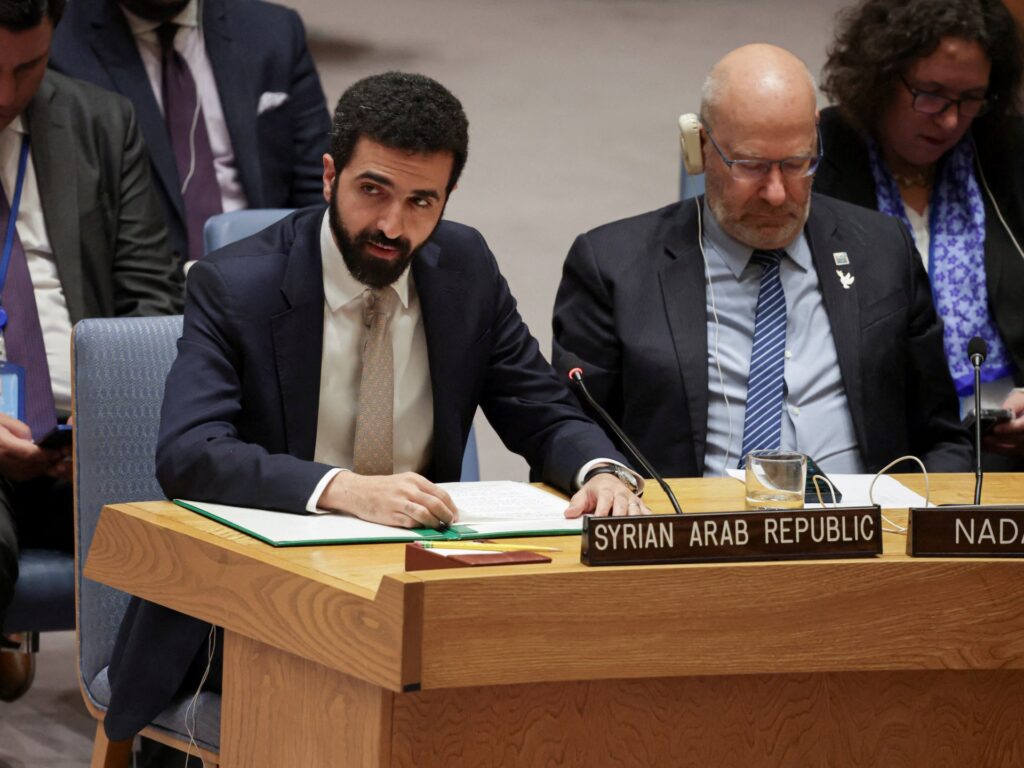
The United Nations Security Council (UNSC) recently witnessed a tense and heated debate surrounding the situation in Syria, prominently featuring a confrontation between Israel and Turkiye. The core issues revolved around the presence of foreign troops in Syrian territory and the broader implications for regional security.
Syria has issued a strong warning, declaring Israel as the “greatest threat” to stability in the Middle East. This stark statement reflects the heightened tensions and the complexity of the geopolitical landscape in the region. Officials from Damascus accused Israel of aggressive incursions and destabilizing activities that exacerbate Syria’s ongoing challenges.
The UNSC meeting saw vocal exchanges between Israeli and Turkish representatives. Israel defended its actions, citing security concerns related to hostile groups operating near its borders in Syria. Ankara, on the other hand, criticized Israeli military operations and underscored the need for respect of Syrian sovereignty and international law.
This confrontation also highlighted Turkey’s own involvement in Syria, where it maintains troops as part of its efforts to manage Kurdish forces and other security interests. Turkey accused Israel of violating international norms while underscoring its own role as necessary and legitimate under the guise of counterterrorism.
The ongoing Syrian conflict, now spanning over a decade, remains a focal point of international diplomacy and military activity. Various actors, including Russia, Iran, the United States, and regional powers, have vested interests complicating any prospects for peace.
Syria’s warning about Israel marks a significant escalation in rhetoric, signaling that Damascus views Israeli actions as a principal obstacle to achieving regional stability. This could fuel further diplomatic clashes at the UNSC, where competing narratives and alliances often stymie unified action.
Analysts suggest that the debate underscores how proxy conflicts and foreign military presences in Syria continue to shape the broader Middle Eastern security environment. The potential for flashpoints remains high as long as unresolved issues persist.
International observers urge renewed dialogue and cautious diplomacy to avoid further destabilization. They emphasize the importance of addressing all parties’ security concerns while honoring Syrian sovereignty as a pathway toward durable peace.
In summary, the recent UNSC meeting on Syria transformed into a spotlight on Israel and Turkey’s conflicting roles and accusations, with Syria firmly denouncing Israeli activities as a major threat to peace in the Middle East. The meeting reflected the ongoing complexities that plague efforts to resolve Syria’s crisis and underscored the fragile nature of regional stability.