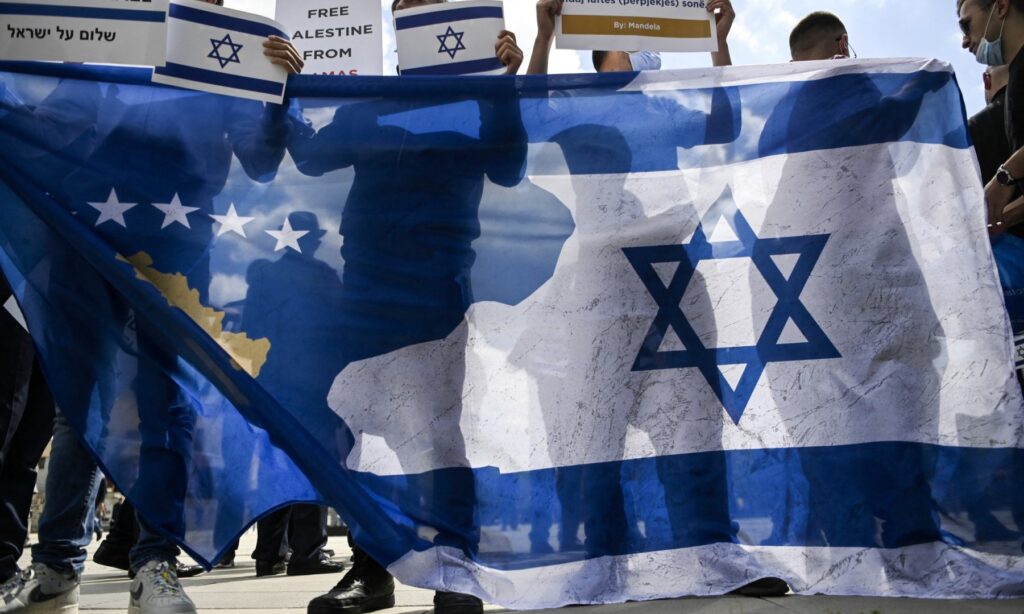
Kosovo’s recent decision to join a US-led force in Gaza has drawn attention to the strategic influence of its alliance with Washington. Analysts observing the situation suggest that Kosovo’s movements toward Israel and participation in the Gaza force reflect a broader alignment with US foreign policy objectives. This development points to the complex geopolitical balancing act that Kosovo is navigating as a relatively new state seeking international support and security guarantees.
As Kosovo seeks to strengthen its diplomatic ties and secure its position on the international stage, its cooperation with the United States has become increasingly pivotal. The US, a key backer of Kosovo’s independence, has significant sway over the country’s foreign policy decisions. Consequently, Kosovo’s initiative to join the Gaza force led by Washington underscores the extent to which its foreign policy is influenced by its relationship with the US.
Experts highlight that Kosovo’s alignment with US policy in the Middle East, especially regarding Israel and the Gaza conflict, carries both risks and benefits. While it bolsters Kosovo’s standing with one of its most important allies, it also exposes the country to potential backlash from other international actors and regional players who may view the move as controversial.
The decision is interpreted by analysts as a calculated price Kosovo is willing to pay to maintain and deepen its alliance with Washington. This alliance is vital for Kosovo’s political survival and development, particularly given the ongoing disputes over recognition and sovereignty with Serbia and other countries.
Furthermore, Kosovo’s participation in the Gaza force represents a larger trend of smaller states aligning their policies closely with those of major powers to navigate global geopolitical tensions and secure assistance in times of need. The move signals Kosovo’s strategic choice to side with the US-led coalition, emphasizing the weight of international alliances in shaping the foreign policies of emerging nations.
In summary, Kosovo’s actions reflect the dynamics at play when a young nation aligns closely with a superpower’s regional strategy. While it brings diplomatic benefits and international protections, it also requires Kosovo to manage the delicate consequences of involvement in a highly sensitive conflict zone. For Kosovo, the path chosen in Gaza is emblematic of the complex interplay between national interests, regional stability, and global power politics.