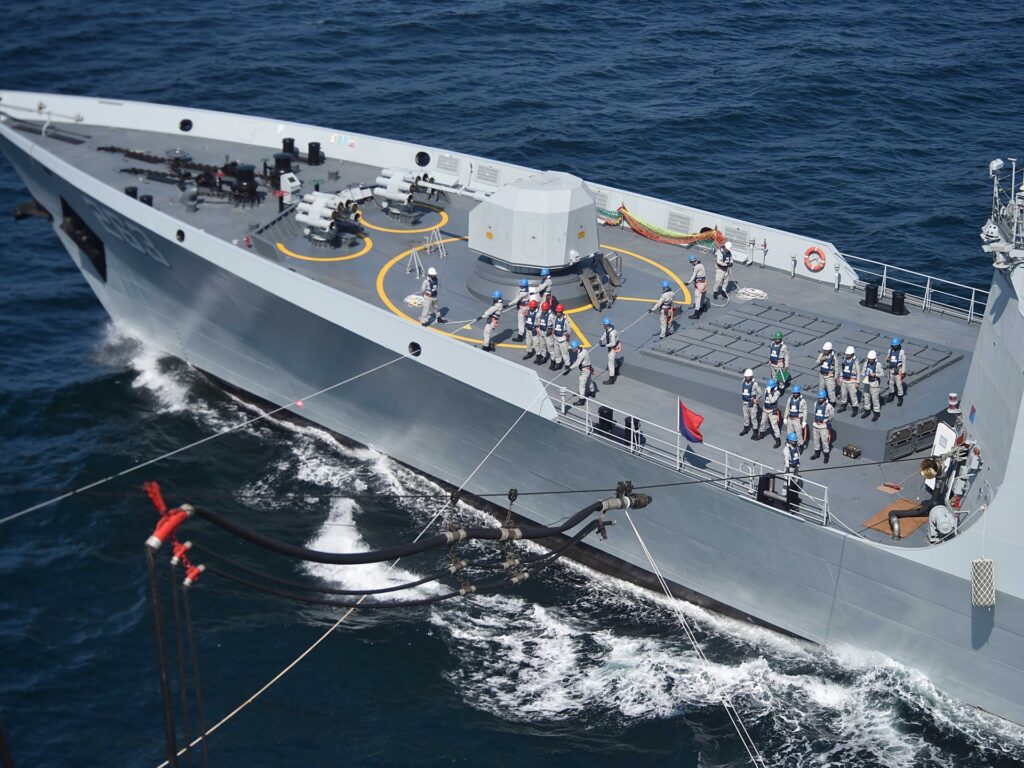
A recent collision between Indian and Pakistani naval vessels has heightened tensions between the two countries, raising alarms about the potential for unintended military escalation. The incident occurred amidst a backdrop of already fragile bilateral relations, stoking concerns in the region and across the international community about maritime security and diplomatic stability.
According to Pakistan, the collision happened because an Indian warship entered its Exclusive Economic Zone (EEZ). Pakistan alleges that this intrusion was unauthorized and provocative, asserting sovereignty over its maritime territory. This claim intensified Pakistan’s response, with officials demanding accountability and an explanation from India.
On the other hand, India has contested Pakistan’s version of events, stating that the collision took place in international waters, outside Pakistan’s EEZ. Indian officials have described the incident as a regrettable accident, emphasizing that there was no intent to violate Pakistan’s maritime boundaries. India has also called for calm and restraint to prevent the situation from spiraling into a larger conflict.
The conflicting accounts have made it difficult to establish a clear narrative about the exact location and circumstances of the collision. Both countries possess significant naval capabilities and have a history of maritime disputes, which adds complexity to the resolution of the case.
This episode has reignited debates on the need for stronger protocols and communication channels between the navies of India and Pakistan to manage encounters at sea, preventing misunderstandings or accidental confrontations.
Experts warn that such incidents, if not carefully managed, could quickly escalate into broader military engagements, undermining peace efforts in South Asia. The international community has urged both nations to pursue dialogue and use diplomatic avenues to de-escalate tensions and ensure safe navigation in contested waters.
The collision has also drawn attention to the strategic importance of the maritime domain in the India-Pakistan rivalry. Control over sea routes, fishing rights, and resource exploration remains a contentious issue, often exacerbated by political and military rivalry on land.
In response to the incident, India and Pakistan have been engaged in diplomatic discussions aimed at clarifying facts and preventing future occurrences. Both sides have expressed willingness to resume talks on maritime boundaries and security protocols.
The situation remains fluid, with governments on both sides monitoring developments closely. Analysts emphasize the importance of sustained dialogue and confidence-building measures to reduce the risk of accidental clashes at sea, which could have far-reaching consequences for regional security and bilateral relations.
Overall, the India-Pakistan navy ship collision serves as a stark reminder of the delicate nature of peace and security in one of the world’s most volatile regions. Vigilance, communication, and diplomacy will be key to ensuring that such incidents do not escalate into larger conflicts.