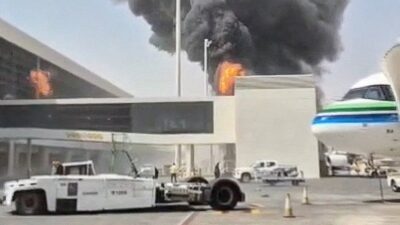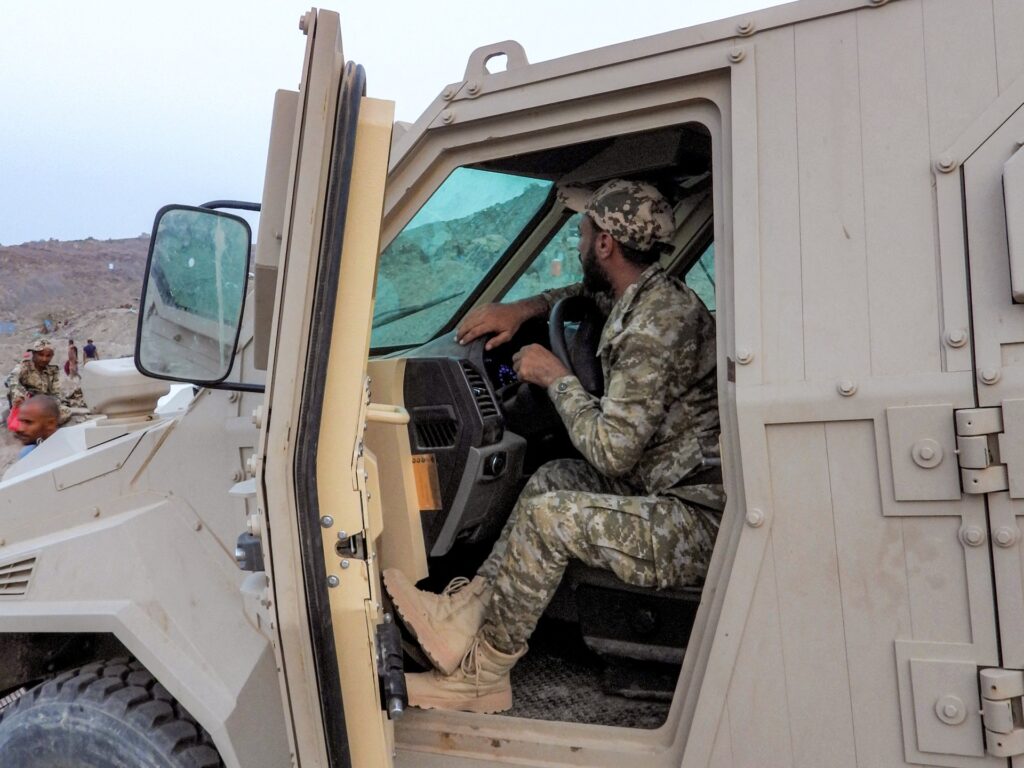
A new wave of heavy air strikes has recently struck Yemen, resulting in the displacement of over 100,000 people, according to United Nations reports. The ongoing conflict, which has devastated the region for years, has escalated further as the Saudi-led coalition has pledged a “firm” response to the Houthi rebel group’s attacks on urban areas within Saudi Arabia.
The UN has highlighted the humanitarian crisis emerging from these air strikes, emphasizing the urgent need for aid and protection for the displaced populations. The mass displacement has compounded an already dire situation caused by years of war, economic collapse, and a strained health system.
The Houthi movement, which controls large parts of northern Yemen, has increased its missile and drone attacks targeting cities in Saudi Arabia, including its capital and other civilian centers. These attacks have prompted the Saudi-led coalition, which includes several Gulf states and receives support from Western allies, to intensify their military campaign against the Houthis.
Officials in the coalition have condemned the attacks on urban areas as unacceptable acts that endanger civilian lives far beyond Yemen’s borders. They have vowed a strong and decisive military response, aiming to neutralize the Houthi threat and prevent further cross-border aggression.
Human rights organizations and analysts warn that the escalating military response could lead to even greater civilian casualties and worsening of the humanitarian crisis. The coalition’s campaigns have frequently been criticized for air strikes hitting civilian infrastructure such as hospitals, schools, and markets.
The renewed violence threatens to undermine fragile ceasefires and peace negotiations brokered in recent years. The international community continues to call for restraint and renewed dialogue between all parties to end hostilities and focus on peace-building efforts.
Aid agencies have described the displacement as one of the largest in Yemen’s recent history, noting that displaced families are sheltering in overcrowded camps and informal settlements with insufficient access to food, water, and medical care.
The complex conflict involves a web of regional and global interests, with Iran reportedly supporting the Houthi rebels, while Saudi Arabia and its coalition allies aim to restore the internationally recognized government led by President Abd-Rabbu Mansour Hadi.
Analysts stress that a military solution alone will not resolve the conflict and highlight the need for inclusive political dialogue that addresses the root causes of the war, including governance, economic inequality, and sectarian divides.
In summary, the recent heavy air strikes in Yemen have triggered mass displacement and heightened regional tensions. The Saudi-led coalition’s vow for a “firm” response reflects the continued volatility of the conflict, underscoring the urgent need for humanitarian intervention and a sustainable peace process.