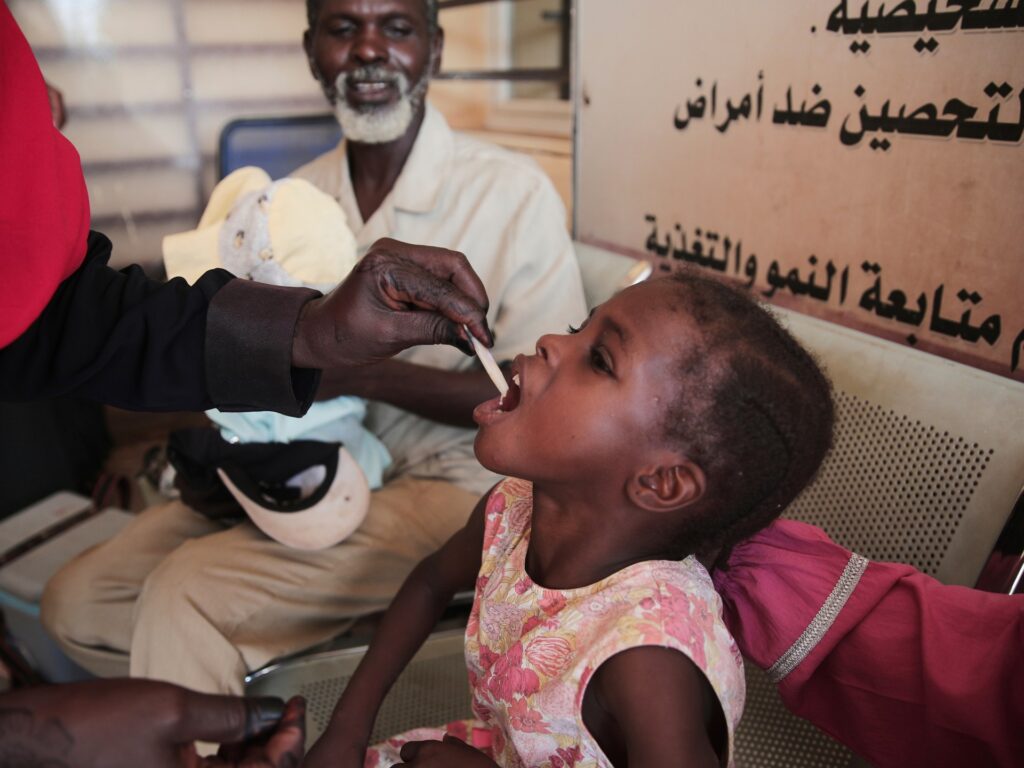
United Nations agencies have issued a dire warning regarding the humanitarian situation in Sudan, highlighting an imminent risk of collapse within aid delivery networks. The International Organization for Migration (IOM) alongside other UN bodies has underscored the urgent need for immediate funding and donations to prevent the depletion of critical relief resources.
According to the IOM, shelter and essential aid relief supplies in Sudan could run out by the end of the month if no prompt financial support is received. This shortage threatens to exacerbate the already fragile conditions faced by vulnerable populations affected by ongoing conflict and displacement in the region.
Sudan has been grappling with numerous crises that have led to widespread displacement and suffering. Many communities rely heavily on international aid for basic necessities such as food, water, medical assistance, and shelter. The absence of these resources could lead to increased health risks, malnutrition, and further displacement.
UN agencies emphasize that the aid system in place is currently strained to its limits. The disruption or suspension of aid programs would not only compromise immediate relief efforts but also undermine longer-term recovery and stability in Sudan.
Humanitarian workers on the ground are facing mounting challenges due to resource shortages, restricted access to affected populations, and security concerns. These factors compound the difficulties in delivering timely and effective assistance to those in need.
The UN’s call to action invites governments, international organizations, and private donors to step up support without delay. Increased funding will enable replenishment of shelter materials, food supplies, medical kits, and water sanitation items critical to sustaining the vulnerable.
Experts warn that failure to respond promptly could precipitate a humanitarian catastrophe, with large segments of the population left without shelter and basic aid as the harsh conditions continue.
As the deadline looms, the international community’s response will be pivotal in determining the health and safety outcomes for millions affected by Sudan’s ongoing crises. Swift and substantial financial contributions are essential to maintain the lifeline that aid networks provide across the region.
The situation remains fluid, and UN agencies continue to monitor conditions closely while coordinating efforts to optimize the distribution of available resources. However, they stress that without immediate external assistance, the collapse of these vital aid networks is inevitable by the month’s end.