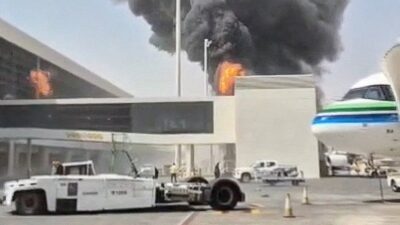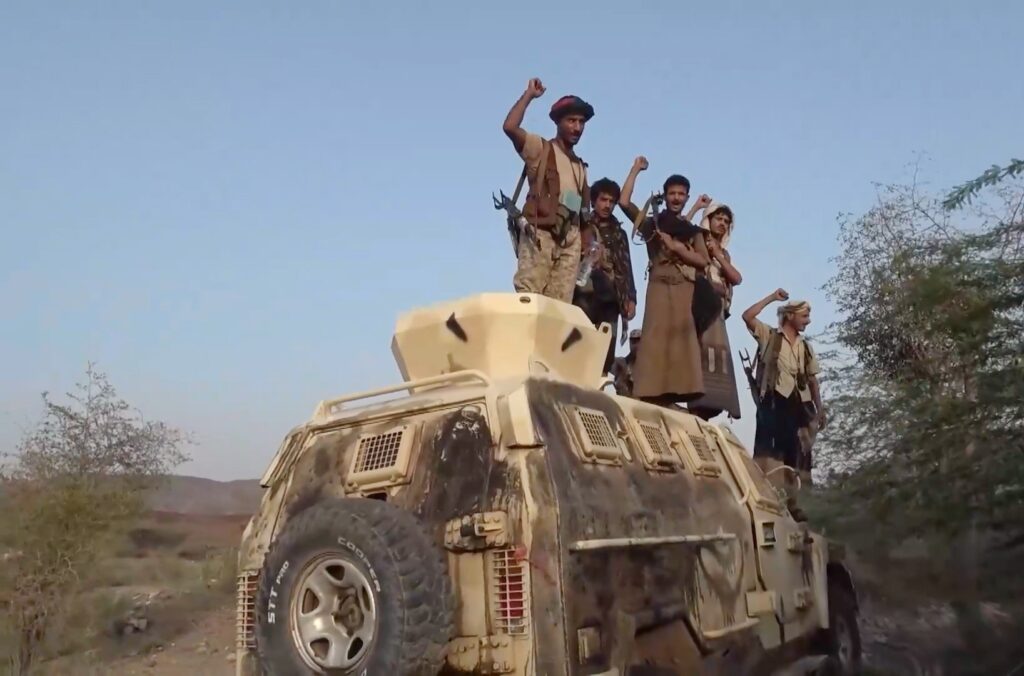
In the latest escalation in the ongoing conflict involving Iran and its regional proxies, the Houthi rebel group from Yemen has claimed a successful drone and missile attack on a key Saudi Arabian military airbase. The Houthis stated that their forces inflicted “direct hits” on the strategic facility, which plays a critical role in Saudi Arabia’s military operations. This development marks a significant moment in the protracted conflict as it demonstrates the Houthis’ capability to strike high-value targets deep inside Saudi territory.
The attack reportedly involved a coordinated launch of drones and ballistic missiles aimed at disabling the airbase’s operational capacity. According to Houthi sources, the strike caused substantial damage to infrastructure and military assets housed within the base. The operation was described as a retaliation against the Saudi-led coalition’s ongoing military campaign in Yemen, which has caused widespread devastation and humanitarian crises.
Despite the Houthi claims, there has been no official response from the Saudi government at the time of reporting. The silence raises questions about the extent of the damage and whether Saudi defenses were able to intercept the attack successfully. Military analysts suggest that such strikes could signal an escalation in the conflict, potentially prompting a harsher response from Riyadh.
The Saudi airbase targeted is known to be a linchpin in the coalition’s efforts, serving as a hub for air sorties and logistics. Damage to this site could disrupt operations and offer the Houthis a tactical advantage in the battlefield. Additionally, the use of drones and missiles highlights the increasing sophistication of the Houthi arsenal, potentially supplied or supported by external actors aligned with Iran.
This incident fits into a broader pattern of proxy conflicts in the region, where Iran-backed groups challenge Saudi interests through asymmetric warfare. The Yemen conflict itself is part of these wider geopolitical tensions, with multiple actors involved, including Western allies of Saudi Arabia and Iranian backers.
International observers have expressed concern about the rising hostilities and the implications for regional stability. There are fears that continued escalation could lead to more direct confrontations, risking wider conflict beyond Yemen and Saudi Arabia.
Humanitarian organizations have also condemned the ongoing violence, emphasizing the dire conditions in Yemen where millions face famine, disease, and displacement due to the war.
The latest Houthi strike underlines the challenges of achieving peace in the region. It exposes the complex web of alliances and enmities that fuel the conflict and the difficulty in negotiating a resolution when both sides continue military operations.
As the situation develops, attention will be focused on Saudi Arabia’s reaction and any further retaliatory measures. The international community calls for restraint and renewed diplomatic efforts to prevent further bloodshed.
In conclusion, the reported Houthi attack marks a significant episode in the Iran-Saudi proxy conflict, underscoring the continuing volatility in the Middle East. The capacity of non-state actors to inflict damage on state military assets symbolizes the changing nature of warfare in the region. Stakeholders are urged to work toward peaceful solutions to avoid deeper crises and wider regional wars.