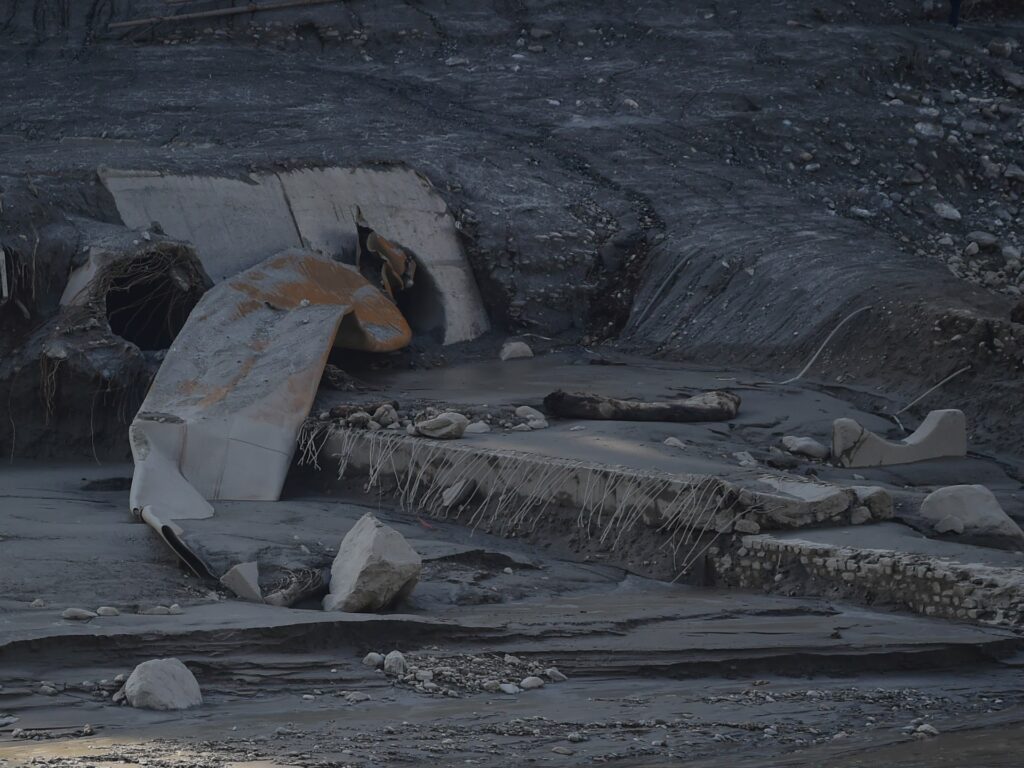
In the wake of devastating glacial floods that severely damaged hydropower infrastructure in Nepal, India has committed to supplying 654 megawatts (MW) of electricity daily to meet Nepal’s urgent energy needs. The floods, which wrought havoc on Nepal’s hydropower projects, caused widespread disruption in power generation, critically affecting the country’s electricity supply.
Nepal relies heavily on hydropower as a primary source of electricity, with many projects located in mountainous and glacial areas vulnerable to natural disasters. The recent floods, triggered by glacial bursts and heavy rains, swept through several hydropower installations, resulting in significant damage to facilities and interruption of power production.
Recognizing the immediate need to support its neighbor, India has stepped forward with a substantial energy assistance package. The supply of 654 MW daily will help Nepal stabilize its electricity grid and provide relief to millions of people and businesses affected by power shortages.
The cooperation between India and Nepal in the energy sector reflects the strong bilateral ties and mutual commitment to regional stability and development. India’s power supply will not only address short-term challenges but also act as a vital stopgap until Nepal’s damaged hydropower facilities can be repaired and restored.
Officials from both countries have been in close communication since the floods occurred, coordinating efforts to ensure a swift response. Indian energy authorities have mobilized their resources to facilitate the increased electricity transmission to Nepal’s grid infrastructure.
This energy assistance underscores the importance of regional collaboration in the face of climate-induced disasters. Both India and Nepal have experienced the growing impact of climate change on their natural and economic systems, particularly affecting water resources and energy generation.
The restoration of Nepal’s hydropower plants will require significant investment and time, making India’s power supply critical for immediate recovery. The floods have also prompted calls for enhanced disaster preparedness and resilient infrastructure planning in the region.
Experts emphasize the need for strengthened cross-border energy cooperation and diversified energy sources to mitigate future risks associated with climate variability. This incident highlights the vulnerability of hydropower-dependent nations to natural disasters and the necessity of regional support mechanisms.
India’s commitment to supplying electricity reflects a broader strategic partnership focused on sustainable development, renewable energy cooperation, and infrastructure resilience.
As Nepal embarks on the reconstruction of its hydropower projects, the continued support from India will be instrumental in restoring normalcy and ensuring energy security for the country’s population.
The joint efforts of India and Nepal in addressing this crisis provide a model for regional solidarity and shared resource management in South Asia. Their collaboration demonstrates how neighboring countries can come together in times of disaster to support each other’s recovery and progress.
Going forward, both countries aim to enhance their energy collaboration, promote clean energy initiatives, and develop robust disaster response frameworks to mitigate the effects of future climate events.
In conclusion, India’s provision of 654 MW of electricity daily to Nepal following the glacial floods represents a vital intervention in addressing the immediate energy shortage and exemplifies the strength of their cooperative relationship amid climatic challenges.