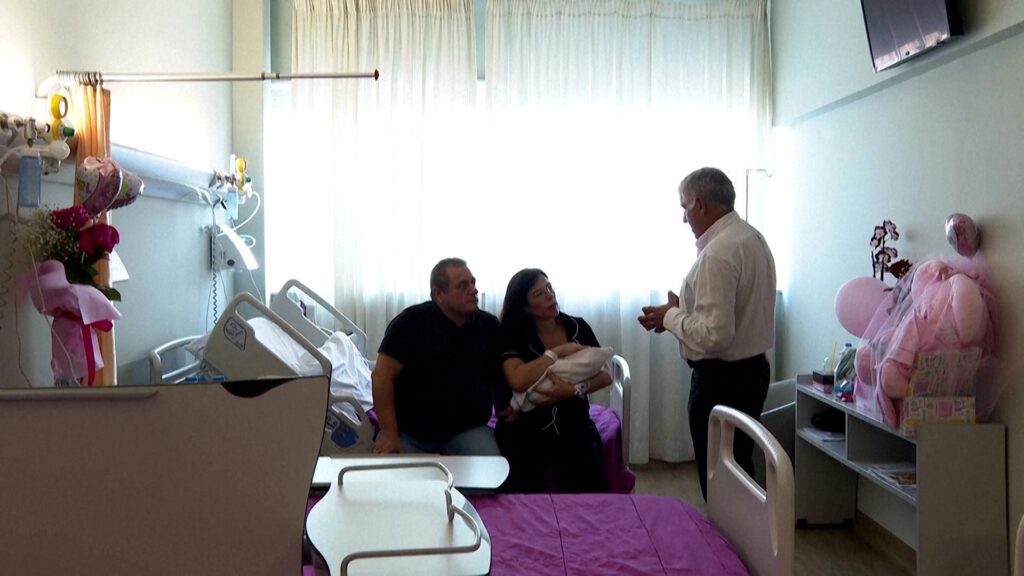
In a remarkable and heartwarming event that highlights advancements in reproductive technology, a Greek couple has successfully welcomed a child from an embryo that was frozen for an astonishing 22 years. This groundbreaking achievement not only offers hope to many couples struggling with fertility issues but also underscores the incredible potential of embryo freezing techniques.
Embryo freezing, also known as cryopreservation, is a process in which embryos created via in vitro fertilization (IVF) are preserved at extremely low temperatures. This allows them to be stored for extended periods without significant damage or loss of viability. The process has been used for decades to help couples conceive at a later time or to preserve fertility in cases such as medical treatments that might affect reproductive capabilities.
The embryo in question was frozen over two decades ago, making it one of the longest-frozen embryos to result in a successful pregnancy and birth. The couple, whose identities have been kept private, underwent the embryo transfer procedure following medical advice and hopes of conception. The pregnancy progressed naturally and culminated in the birth of a healthy baby, to the delight of the family and medical professionals involved.
This extraordinary case demonstrates the durability and safety of modern cryopreservation methods, providing reassurance to many prospective parents. It also raises important discussions about the storage duration of frozen embryos, ethical considerations, and the evolving policies regarding embryo storage worldwide.
Medical experts emphasize that the success story is a testament to both the resilience of frozen embryos and the advances in medical science that support fertility treatments. It opens doors to new possibilities, allowing individuals and couples more flexibility and hope in family planning.
In conclusion, this incredible success has been celebrated as a milestone in reproductive medicine and a source of inspiration for many. As technology continues to improve, the future may hold even more optimistic outcomes for those relying on assisted reproductive technologies to build their families.