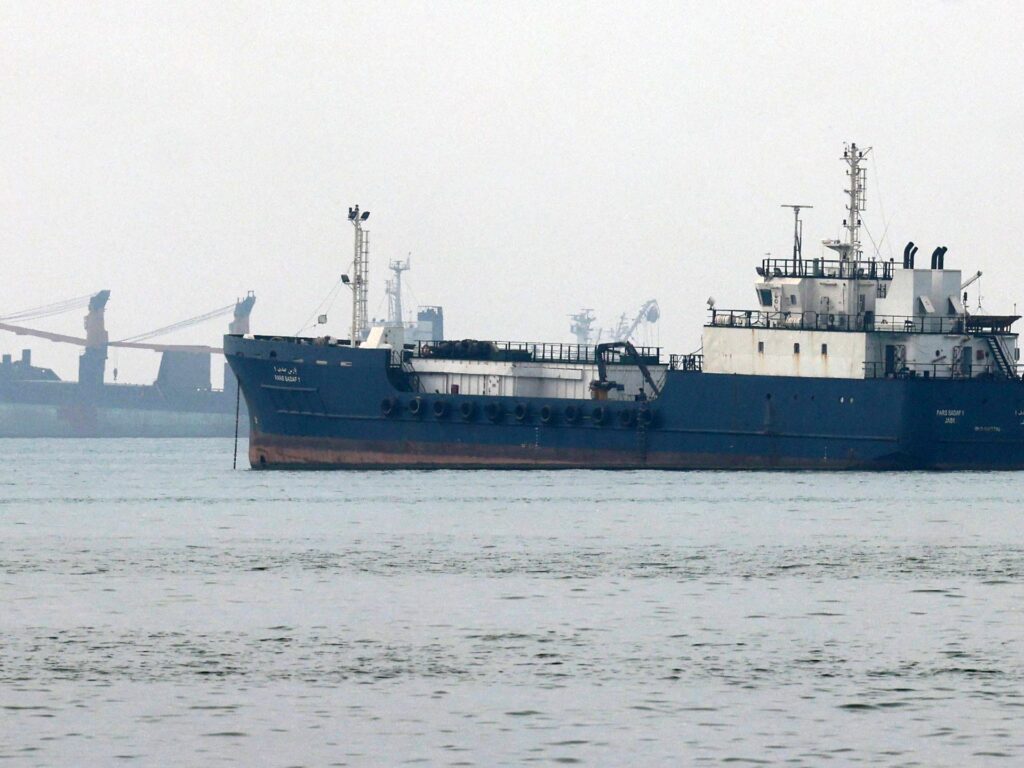
Recent reports from Iranian media have confirmed that ‘enemy’ projectiles struck areas in Sirik, marking a significant escalation in ongoing hostilities affecting the region. The incident has heightened tensions and raised concerns over regional stability and security. Sirik, strategically located along the southern coast of Iran, near the Persian Gulf, has been a focal point in recent military activities. The local authorities and emergency services swiftly responded to the projectile strikes, working to assess damage and ensure the safety of residents.
In response to these incidents, Tehran has expressed a readiness to engage in dialogue with neighboring countries. Iranian officials emphasized their commitment to fostering mutual trust among nations in the region. The government articulated its aim to achieve sustainable security through constructive diplomatic efforts rather than through continued conflict.
This dual approach of defensive readiness and diplomatic outreach reflects Tehran’s complex strategy amid escalating regional tensions. The statement from Iranian officials invited neighboring states to participate in conversations that could pave the way for long-term peace and stability in the region.
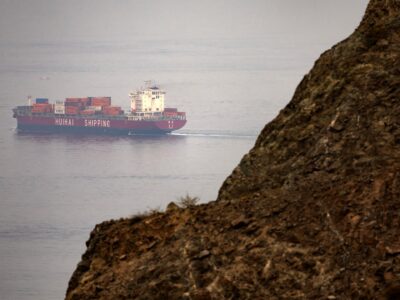
Background context reveals that the Persian Gulf has often been a flashpoint for rivalries and military confrontations due to its strategic importance and the presence of vital maritime routes. The rising violence has prompted global attention, with international actors calling for restraint and peaceful resolution of disputes.
Experts suggest that the recent projectile strikes in Sirik could be indicative of broader geopolitical contests playing out in the region. These contests often involve proxy conflicts and military maneuvers that complicate diplomatic relations.
Iran’s call for dialogue is seen by many as an attempt to break the cycle of violence and to establish a framework for cooperation. Through open communication channels, Iranian leaders hope to reduce misunderstandings and prevent further escalations.
Aside from military readiness, Iran continues to strengthen its internal security measures. Its military forces remain vigilant to safeguard critical infrastructure and civilian populations from potential attacks.
The evolving situation remains fluid, with international observers closely monitoring developments. The prospects for a peaceful resolution depend largely on the willingness of all parties to engage in meaningful dialogue.
In conclusion, the projectile attacks on Sirik have underscored the volatility of the regional security environment. Nevertheless, Tehran’s overtures toward diplomacy represent a potential pathway to easing tensions and building a more secure future for all nations in the area. Moving forward, the international community watches cautiously, hoping for a de-escalation and productive engagement among Iran and its neighbors.