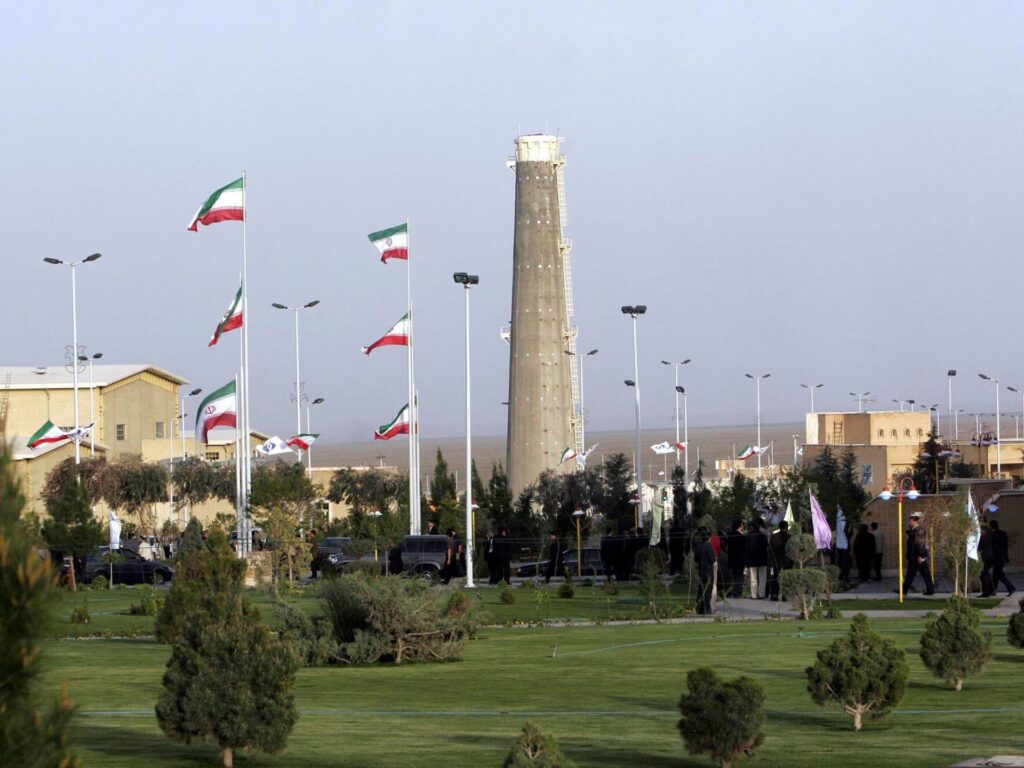
The International Atomic Energy Agency (IAEA) board has taken a significant step by referring Iran to the United Nations Security Council due to concerns over the country’s nuclear program non-compliance. This symbolic escalation marks a critical moment in the ongoing international tensions surrounding Iran’s nuclear activities. The move was initiated by a coalition of Western powers including the United States, Germany, France, and the United Kingdom, underscoring their shared unease about the potential implications of Iran’s nuclear advancements. The decision comes amid growing scrutiny over Iran’s adherence to nuclear agreements and its transparency with the IAEA. These nations argue that Iran’s actions represent a breach of obligations designed to prevent the development of nuclear weapons, thereby posing a threat to regional and global security. The referral to the Security Council is seen as a diplomatic strategy aimed at increasing pressure on Tehran to comply with international nuclear standards. It also serves as a warning that further non-compliance could lead to stiffer sanctions or other measures backed by the UN. While Iran maintains that its nuclear program is for peaceful purposes, this development highlights the challenges involved in balancing national sovereignty with global non-proliferation efforts. The escalation also reflects the complexities of international diplomacy, where multilateral institutions like the IAEA play a pivotal role in monitoring and enforcing nuclear agreements. The Security Council’s response will be closely watched by the global community, as it will determine the next phase of the international response to Iran’s nuclear program. This event underscores ongoing concerns about nuclear proliferation and the importance of diplomatic engagement to resolve such disputes peacefully. The involvement of major powers indicates the high stakes involved and the broad consensus that Iran’s nuclear activities require careful oversight. Moving forward, the international community will need to navigate a delicate path that addresses security concerns while seeking diplomatic solutions. The situation remains dynamic, with potential implications for regional stability, international security, and the future of nuclear non-proliferation efforts. In summary, the IAEA board’s referral of Iran to the UN Security Council represents a noteworthy development in the global effort to monitor nuclear programs and enforce compliance, highlighting ongoing tensions and the critical role of international institutions in maintaining peace and security.