The recent announcement of the disbandment of the Syrian Democratic Forces (SDF) marks a significant turning point in the ongoing conflict in Syria and leaves many in the Kurdish community questioning the future of their rights and representation. The SDF, primarily composed of Kurdish fighters, has played a crucial role in the fight against extremist groups, particularly ISIS, and has been a key political and military actor in northeastern Syria for years.
With the dissolution of the SDF, Kurdish leaders and communities are grappling with the challenge of securing their rights in an increasingly complex political landscape. Experts express concern over whether these rights will be upheld through democratic means or if the Kurds may face marginalization or oppression amid shifting alliances and ongoing power struggles in the region.
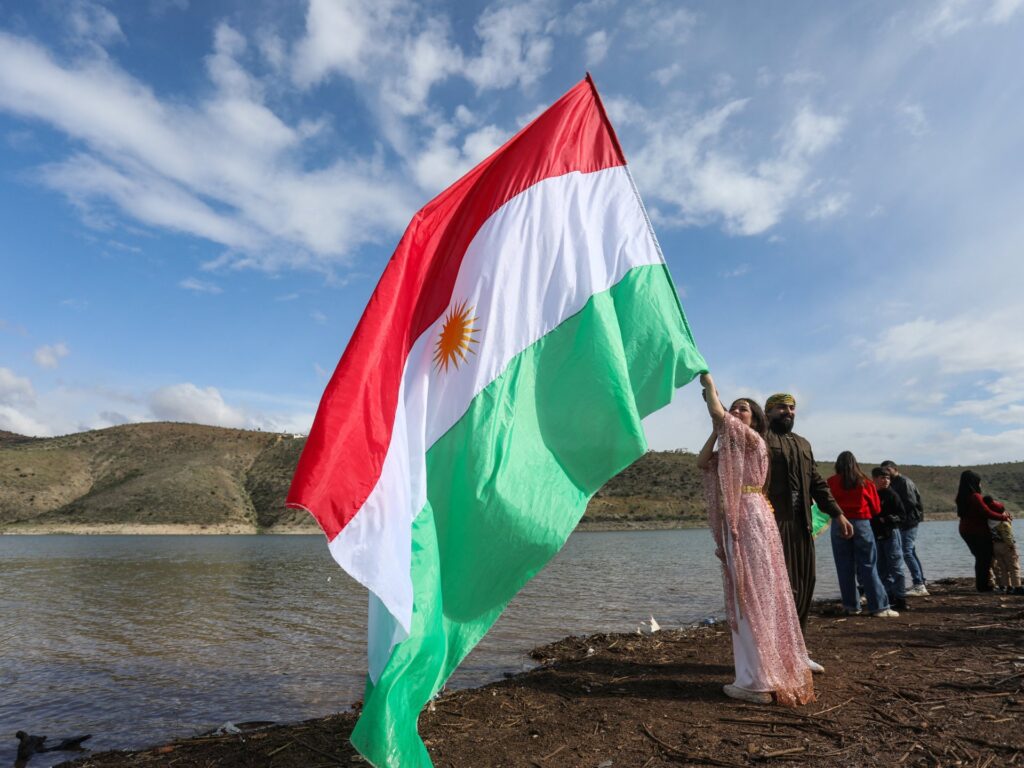
Historically, the Kurds in Syria have sought greater autonomy, cultural recognition, and political representation. The SDF not only served as a military force but also helped establish a self-administration system in Syrian Kurdish areas, advocating for democratic governance, women’s rights, and ethnic inclusivity. Despite this progress, the Kurdish population remains vulnerable, with various regional and international actors exerting influence over their fate.
The disbanding of the SDF has raised questions regarding the security apparatus that will replace it and the political framework that will protect Kurdish interests. Analysts warn that without a strong and unified Kurdish political representation, the community could be sidelined in future negotiations for Syria’s political future.
International stakeholders, including the United States and Russia, have historically supported different factions within Syria, often leading to a complex web of alliances. Their future involvement or withdrawal in Kurdish regions will significantly impact Kurdish prospects for maintaining influence and autonomy.
Kurdish civil society groups and activists emphasize the importance of continuing their efforts to build democratic institutions and seek peaceful political solutions. They advocate for inclusive dialogue with other ethnic and political groups in Syria to achieve a sustainable resolution that recognizes Kurdish rights.
The dissolution of the SDF also brings security concerns, as Kurdish communities worry about the potential rise of hostile groups or the return of ISIS elements without a robust Kurdish defense force. The absence of the SDF may lead to instability in areas formerly under their control.
For the Kurds, the road ahead involves navigating complicated regional dynamics, fostering unity among disparate Kurdish factions, and engaging in diplomacy to ensure their voices are heard. While the disbandment of the SDF signals the end of one chapter, it opens a new and uncertain phase for Kurdish aspirations in Syria.
In conclusion, the Kurdish community in Syria faces a critical juncture as it seeks to secure its rights in a post-SDF era. The outcome will depend on their ability to leverage democratic means, build alliances, and maintain both political and security frameworks that protect their interests amidst Syria’s turbulent landscape.