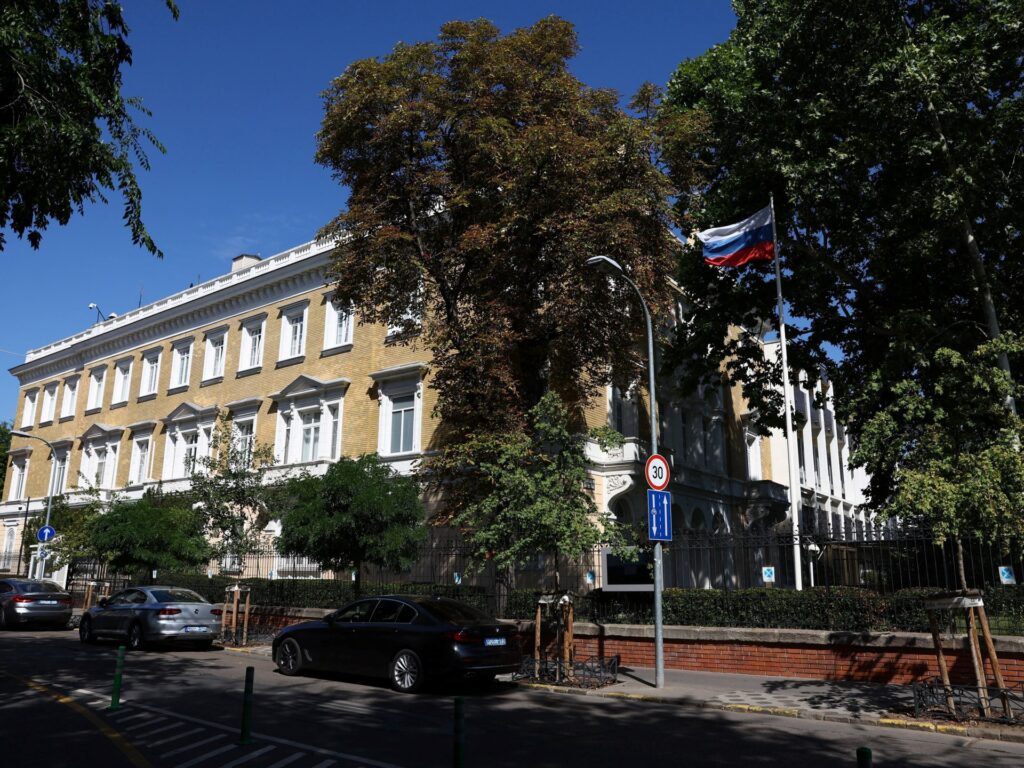
In a significant diplomatic move, Hungary has expelled 10 Russian diplomats from the country, escalating tensions between the two nations. The decision, announced by the Hungarian government, marks a serious strain in Hungary-Russia relations. The expulsion comes amid ongoing geopolitical tensions and concerns over espionage and interference. Hungary’s Foreign Ministry stated that the Russian diplomats were declared persona non grata and that they were given a deadline to leave the country.
In response, Russia has vowed a “harsh and painful” retaliation to Hungary’s actions. The Russian Foreign Ministry condemned the expulsions as unfriendly and unjustified, warning that Moscow would take strong countermeasures aimed at balancing the scales. Russian officials expressed regret over the deterioration in bilateral relations and indicated that future diplomatic and economic interactions might be affected.
The incident highlights the complex dynamics at play within Europe concerning Russia’s foreign policy and its relations with European Union member states. Hungary, a member of both the EU and NATO, has been navigating a delicate balance in its relationship with Russia, maintaining dialogue while aligning with Western policies.
Experts suggest that the expulsions could be linked to suspicions of espionage or intelligence activities by the Russian diplomats. Such measures are typical in diplomatic disputes when one country perceives a threat to its national security or interference in its internal affairs.
The international community has been closely watching the situation, with many countries expressing concern over the rising diplomatic tensions. This event comes in the context of broader geopolitical developments, including ongoing conflicts and significant disagreements between Russia and Western nations.
The Hungarian government emphasized that its decision was taken to safeguard national interests and security. Officials called for calm and reason, underlining that dialogue remains open despite the current difficulties.
Moscow’s promise of a “harsh and painful” response suggests possible reciprocal expulsions of Hungarian diplomats from Russia or other diplomatic retaliations. This tit-for-tat approach is common in international diplomacy during crises but risks further escalating conflicts.
Analysts warn that such moves could impact Hungary’s position within the EU and NATO, as well as its economic ties with Russia. The situation demands careful diplomatic management to avoid long-term damage.
In conclusion, Hungary’s expulsion of Russian diplomats and Moscow’s strong reaction underscore the fragile state of Russia-Europe relations. As both sides prepare for further actions, the international community hopes for a resolution through dialogue and peaceful means rather than escalating hostilities.