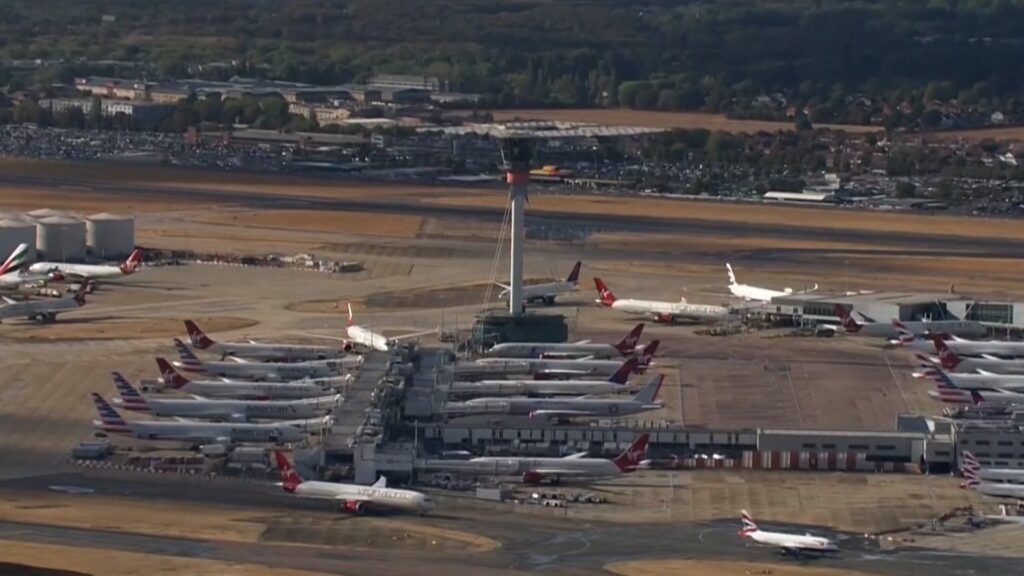
A significant technical glitch in the UK’s air traffic control system led to widespread flight disruptions across major airports in the country. This incident affected hundreds of flights, causing delays and cancellations that impacted thousands of passengers and the broader aviation network.
The issue was identified early in the day when air traffic controllers noticed abnormalities in the system used to manage the safe navigation and coordination of aircraft within UK airspace. Immediate steps were taken to address the problem, but the complexity of the air traffic system meant that restoration to full operational capacity was slow.
As a result of the malfunction, several major airports, including London Heathrow, London Gatwick, Manchester, and Birmingham, experienced flight delays stretching from minutes to several hours. Some flights were cancelled outright, leaving travelers stranded or forced to make alternate arrangements.
The UK’s National Air Traffic Services (NATS), which operates the air traffic control system, issued a statement apologizing for the disruption and explaining that the cause was a software fault that affected communication protocols within the system. It was emphasized that safety remained the top priority, and no air traffic safety incidents occurred as a result of the glitch.
Passengers have expressed frustration over the delays and cancellations, particularly during peak travel times. Airlines worked closely with NATS to minimize disruption, re-routing flights where possible and providing accommodation and support to affected passengers.
The disruption highlighted the critical nature of air traffic control systems and the potential consequences when they encounter technical difficulties. Industry experts suggest that increased investment in infrastructure modernization and robust contingency plans are essential to prevent similar incidents.
The government and aviation authorities have launched an immediate investigation into the cause of the malfunction. Early indications suggest that the software issue was an isolated incident, but a comprehensive review will be conducted to identify vulnerabilities and ensure that the air traffic system can maintain reliability and safety.
In the aftermath, many flights resumed normal operations by the end of the day, but ripple effects may continue, affecting schedules for days to come. Passengers traveling in the near future are advised to check for updates and plan accordingly.
This incident serves as a reminder of the complexities involved in managing modern airspace and the critical role technology plays in maintaining air traffic safety and efficiency.