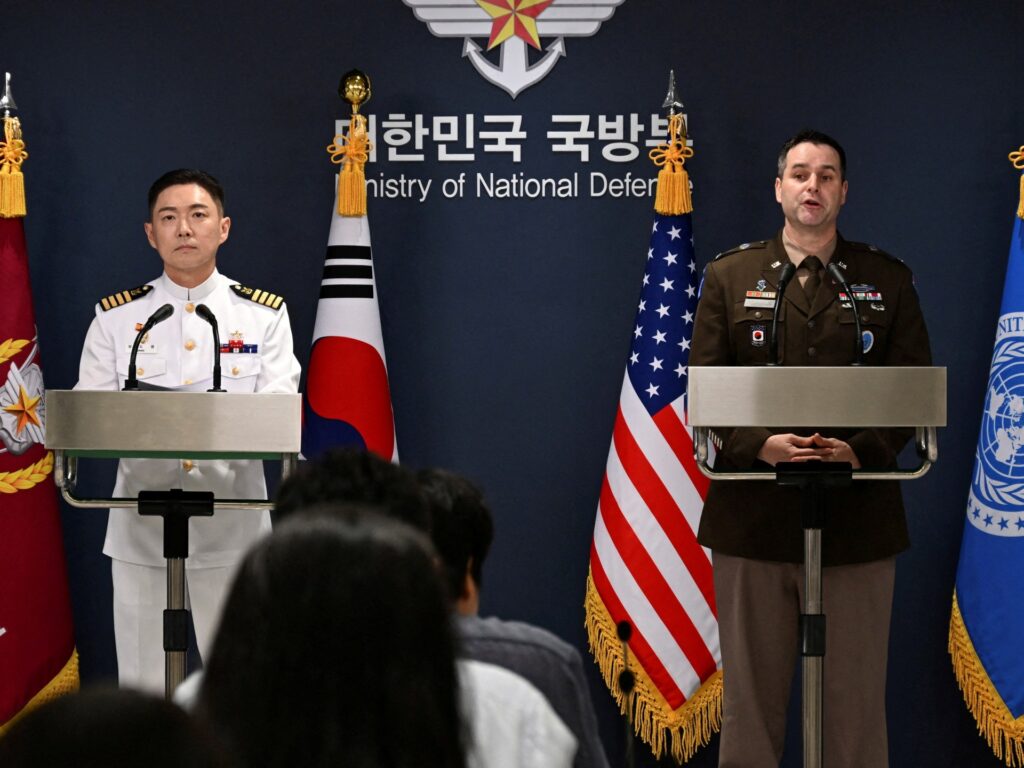
South Korea currently faces a precarious geopolitical predicament as it becomes increasingly entangled in the escalating conflict between the United States and Iran. The US has been actively pressuring Seoul to support its naval blockade of Iran, aiming to curtail Tehran’s maritime activities and enforce economic sanctions. This confrontation has placed South Korea in a difficult position due to its extensive economic ties with Iran and its alliance with the United States, creating a delicate balancing act.
Historically, South Korea has maintained a policy of diplomatic engagement balanced with economic pragmatism towards Iran, importing substantial amounts of Iranian oil and engaging in various trade collaborations. The US naval blockade seeks to halt Iranian oil exports and restrict Tehran’s naval movements in critical waterways such as the Strait of Hormuz, a strategic chokepoint for global oil shipments.
With Washington intensifying demands, Seoul faces mounting pressure to contribute naval assets or logistical support to the blockade, aligning with the US-led effort to isolate Iran economically and militarily. However, South Korean officials remain reluctant, wary of provoking Iran, which has responded to the blockade threat with strong warnings of severe consequences. Tehran’s signals include threats to target South Korean interests, complicating Seoul’s decision-making.
The broader geopolitical implications for South Korea are significant. Fully aligning with the US could risk Iranian retaliation that might affect Seoul’s energy security and trade. Conversely, resisting US pressures could strain the US-ROK alliance, which remains a cornerstone of South Korean security policy amid regional challenges like North Korea’s nuclear ambitions.
Analysts note that South Korea’s dilemma reflects the broader challenge for middle powers caught between major power rivalries. Seoul seeks to uphold its commitments to the US while preserving its economic interests and avoiding escalation in an already volatile region. This situation underscores the complexities of global diplomacy where nations must navigate conflicting pressures from competing superpowers.
In conclusion, South Korea’s current entrapment in the US-Iran confrontation highlights the intricate balance of international relations in the 21st century, where strategic partnerships intersect with economic dependencies. As the US presses for Seoul’s support in the naval blockade against Iran, South Korea must weigh the risks of either choice carefully, illustrating the challenging position smaller nations face in global conflicts.