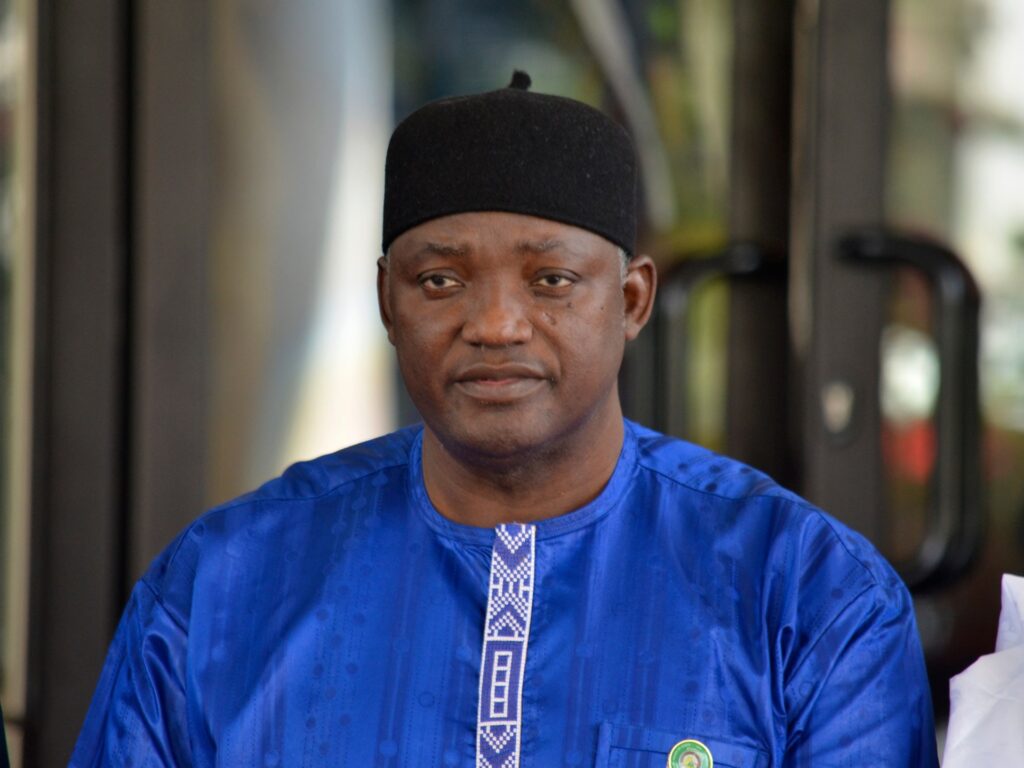
The Gambia is grappling with a severe electricity crisis that has sparked widespread protests, some of which have turned violent. In response to the escalating unrest and public outcry, President Adama Barrow has pledged to end the persistent rolling blackouts that have been plaguing the country. These power outages have disrupted daily life, economic activities, and essential services, intensifying the hardships faced by Gambians.
President Barrow announced a comprehensive plan to revitalize the nation’s power infrastructure. Central to this strategy is the construction of a new 24-megawatt power plant, intended to significantly boost the electricity supply and ensure more reliable energy distribution across urban and rural areas alike. This initiative is seen as a critical step towards addressing the energy shortfalls that have undermined the country’s development and stability.
The energy crisis in The Gambia has been exacerbated by rapid population growth, increased demand, and infrastructural deficiencies. Rolling blackouts, which involve scheduled power cuts to different parts of the country, have become a frustratingly common experience for residents and businesses. These interruptions have also impacted healthcare facilities and educational institutions, raising concerns about public welfare and economic sustainability.
The recent protests reflect the mounting frustration among citizens who are demanding immediate action from the government. Demonstrators have called for transparency, accountability, and concrete solutions to the electricity shortage. Although the majority of the protests have been peaceful, some incidents of violence have resulted in injuries and property damage, prompting authorities to urge calm and dialogue.
President Barrow emphasized the government’s commitment to transparency and community engagement throughout the project. He assured that the new power plant would be developed with environmental considerations in mind and that efforts would be made to upgrade the existing electrical grid to prevent future outages.
Experts highlight that the success of this ambitious plan hinges on effective project management, international cooperation, and securing adequate funding. The Gambian government is reportedly exploring partnerships with foreign investors and development agencies to expedite the construction and deployment of the new power infrastructure.
The promise of enhanced power availability is welcomed by many sectors, including agriculture, manufacturing, and tourism, which are vital to the national economy. Reliable electricity is expected to encourage investment, improve public services, and enhance overall quality of life.
Despite the challenges ahead, President Barrow’s pledge marks a decisive response to a critical national issue. The government’s efforts to restore power stability aim not only to quell the unrest but also to lay the foundation for sustainable development in The Gambia.
As the nation watches closely, the coming months will be pivotal in determining whether these commitments translate into lasting solutions and whether peace and progress can be restored through resilient and inclusive energy reforms.