Tensions have sharply escalated in the Strait of Hormuz as the Islamic Revolutionary Guard Corps (IRGC) of Iran and the United States military forces engaged in a series of aggressive exchanges. The conflict intensified after the IRGC launched missile strikes targeting US warships, leading to a swift exchange of fire. This development marks a significant escalation in the ongoing standoff between Iran and the US in one of the world’s most strategically important maritime chokepoints.
The Strait of Hormuz, a narrow passage connecting the Persian Gulf to the Gulf of Oman and the Arabian Sea, is a vital route for global oil shipments. Any military confrontation in this area holds the potential to disrupt global energy supplies and increase geopolitical instability.
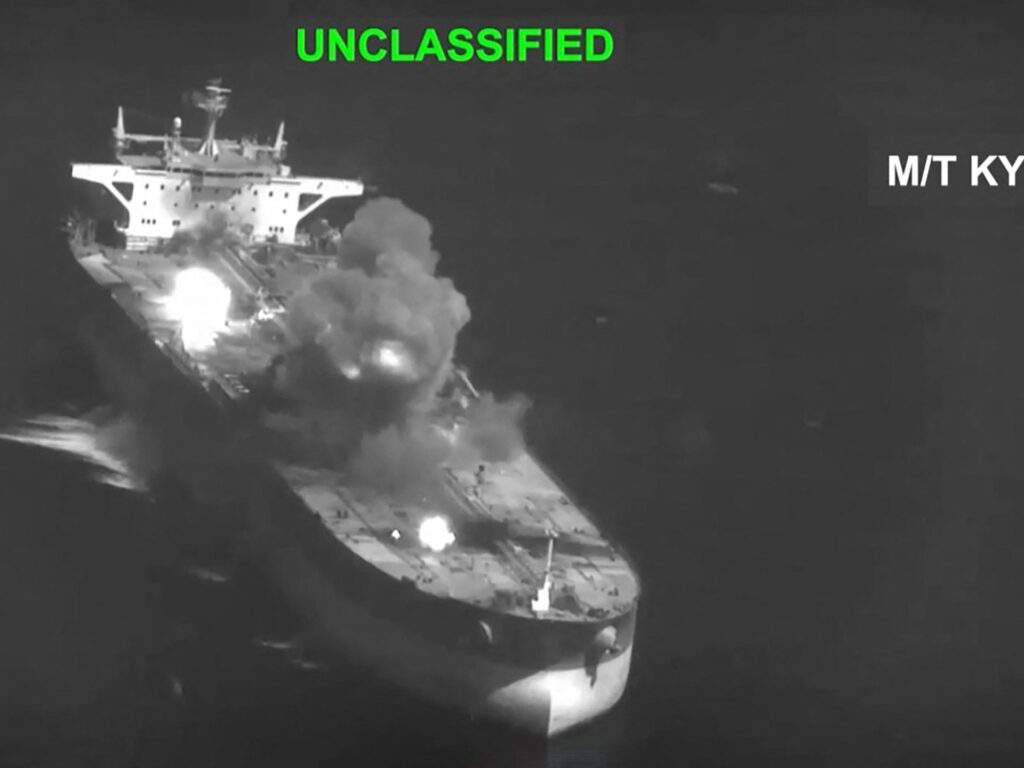
According to reports, the IRGC initiated the conflict by firing multiple missiles at American naval vessels operating in the strait. In retaliation, US forces returned fire, signaling a serious escalation that drew international attention and concern. The exchanged fire was said to be intense, with both sides sustaining some degree of operational damage.
In addition to the missile attacks, there have been recent assaults on oil tankers in the region, a tactic previously attributed to Iranian-backed groups aiming to exert pressure on shipping lanes and global oil markets. These attacks further exacerbate the precarious security situation and complicate diplomatic efforts to ease tensions.
The motivations behind the IRGC’s strikes appear to be multifaceted, involving strategic signaling to deter US presence and protect Iran’s national interests while asserting its influence over the Gulf region. The US, on the other hand, maintains that its naval presence is crucial for ensuring the free flow of commerce and regional stability.
Experts warn that the risk of miscalculation remains high, as both sides have deployed advanced military assets and show readiness for further confrontations. Diplomatic channels remain strained, with little sign of immediate de-escalation or negotiation following the attacks.
This escalation in hostilities threatens not only regional peace but also the stability of international energy markets, as any prolonged disruption in the Strait of Hormuz could lead to spikes in global oil prices and economic repercussions worldwide.
The international community has called for restraint and urged both Iran and the US to avoid actions that could lead to a broader conflict. However, at present, the situation remains volatile with continued military posturing and unresolved tensions in one of the world’s most critical maritime regions.
As the conflict unfolds, monitoring the developments closely is imperative, given the potential for these clashes to impact global security and economic stability significantly.