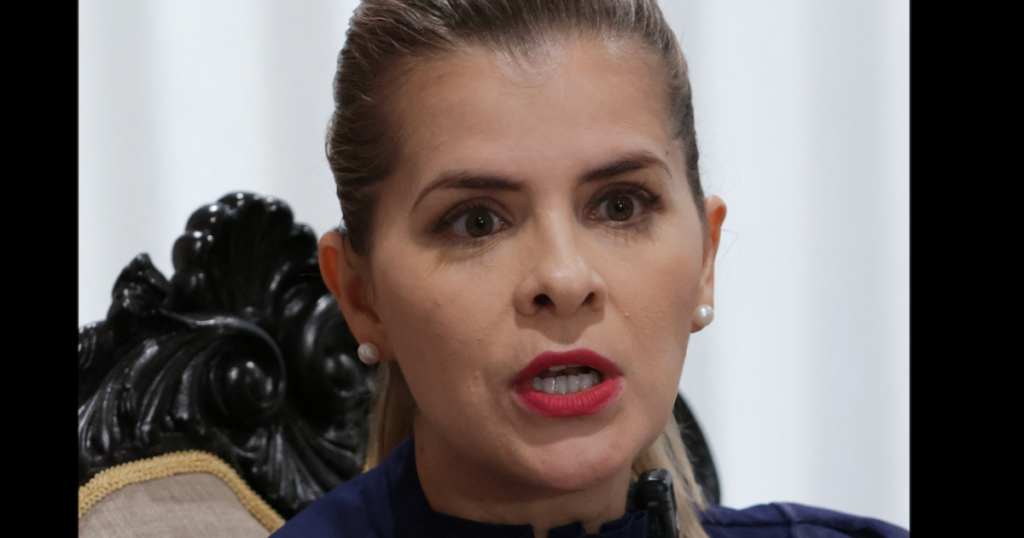
Costa Rican President Laura Fernandez has recently expressed her support for the presence of United States ground forces in Costa Rica, stating that such a move could significantly bolster the nation’s security. The president highlighted the potential benefits of enhanced cooperation and the strategic advantages that US military support might provide in addressing various security challenges faced by Costa Rica.
In a statement to the press, President Fernandez emphasized the importance of strengthening national defense capabilities amidst evolving regional threats. She noted that collaboration with the US ground forces could help improve intelligence sharing, border security, and counter-narcotics efforts.
Costa Rica, known for its longstanding policy of military neutrality and the abolishment of its army in 1948, has traditionally maintained a non-militarized approach to national defense. However, recent security concerns, including increased drug trafficking and organized crime activity in Central America, have prompted calls for reevaluation of security strategies.
President Fernandez’s proposal marks a significant shift in Costa Rica’s security policy, considering the country’s historical stance. She clarified that inviting US ground forces does not mean rearmament but rather a partnership aimed at safeguarding the nation’s stability and prosperity.
The president assured that any collaboration with the US military would respect Costa Rica’s sovereignty and focus on joint operations that support law enforcement and humanitarian efforts. This cooperation is expected to bring technological support and training to Costa Rican security forces, enhancing their operational capabilities.
Reactions to President Fernandez’s comments have been mixed. Some political analysts argue that US involvement could deter criminal organizations and foster regional stability. Others express concerns about the potential erosion of Costa Rica’s neutral image and risks of increased foreign influence.
Internationally, the proposal might signal a shift in Central American security dynamics, possibly influencing other countries to reconsider their defense strategies in the face of transnational threats. The US government has not yet issued an official response to the invitation but is likely to evaluate the request considering regional interests and bilateral relations.
Costa Rica continues to balance its commitment to peace with the pressing need to address security vulnerabilities. The president’s statement opens a dialogue on how best to defend the nation while upholding its democratic values and historical principles.
Further discussions between Costa Rican officials and US counterparts are anticipated in the coming months to outline the scope and terms of any potential ground force involvement. The outcome of these talks will shape the future of Costa Rica’s national security policy and its role in regional geopolitics.