In a recent incident involving a tragic strike on a wedding in Iran, U.S. Special Representative for Iran, Robert Malley, echoed a familiar pattern seen in American military and foreign policy history. His comment, which suggested that “things happen” in the fog of conflict, has reignited scrutiny over how the United States has dealt with civilian casualties in past conflicts.
This remark follows a long-standing pattern of initial denial, minimization, or ambiguous acknowledgment by American officials when civilian deaths occur as a result of military actions. Historical parallels can be drawn from incidents such as the 1968 My Lai Massacre during the Vietnam War, where U.S. soldiers killed hundreds of unarmed Vietnamese civilians. Initially denied and covered up, the event was only acknowledged after investigative journalism and pressure from within the military disclosure mechanisms.
Similarly, in conflicts like those in Afghanistan and Iraq, the U.S. military has been involved in multiple incidents where civilian casualties were either initially contested or downplayed. Over time, as evidence, reports from humanitarian organizations, and international pressure increased, the U.S. government discreetly admitted the incidents without necessarily facing full accountability.
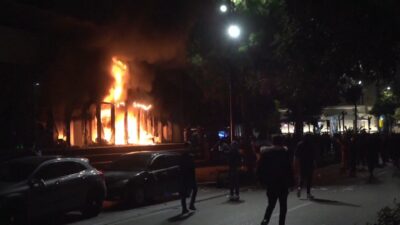
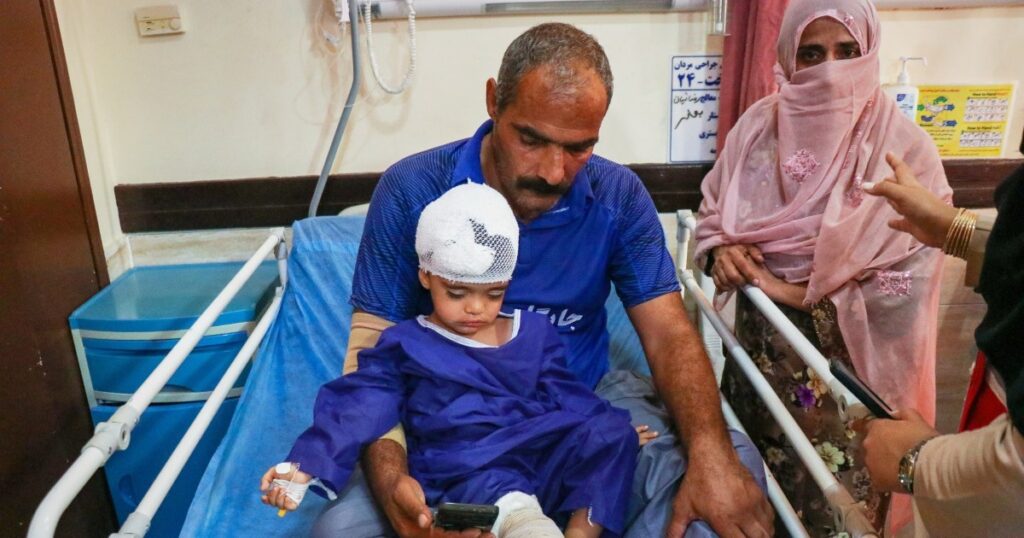
The Iran wedding strike is seen in this context as part of a continuing narrative. According to reports, a missile strike hit a wedding party in an Iranian border area, resulting in significant civilian casualties. When questioned, U.S. officials expressed regret but characterized the event as an unintended consequence of complex conflict dynamics, underscoring the controversial stance that civilian casualties are sometimes an unavoidable reality of war.
Critics argue that such responses lack transparency and fail to address the underlying issues of accountability and civilian protection. Human rights organizations emphasize the need for stringent investigation and reforms to prevent similar incidents in the future.
Moreover, analysts point out that the reluctance to fully acknowledge responsibility damages America’s credibility in international diplomacy and undermines efforts toward conflict resolution. It also affects the perception of American commitment to humanitarian values and the rule of law.
The statement “things happen” thus captures both the volatility of modern warfare and the political calculus in responding to civilian deaths. It reflects a broader challenge faced by militaries worldwide: balancing strategic objectives with moral and legal obligations.
In essence, the Iran wedding strike controversy spotlights the tension between military operations and civilian safety—a persistent issue that continues to test the limits of U.S. military ethics and foreign policy frameworks. Moving forward, advocates urge transparent investigations, accountability measures, and policies aimed at minimizing civilian harm as crucial steps to rebuilding trust.
This incident serves as a stark reminder of the costs of war, especially for non-combatants, and the imperative for great powers to carefully consider the human consequences of their actions. The historical pattern of initial denial followed by quiet acknowledgment suggests that without systemic change, similar tragedies may recur.
As geopolitical tensions in the Middle East remain high, how the United States addresses this and similar incidents will influence its reputation and ability to act effectively on the world stage. Enhanced scrutiny from international bodies and media ensures that the public is increasingly aware of these dynamics, demanding greater accountability.
Ultimately, while “things happen” may reflect the unpredictable nature of conflict, it also calls into question the standards of responsibility and the pursuit of justice in modern warfare.