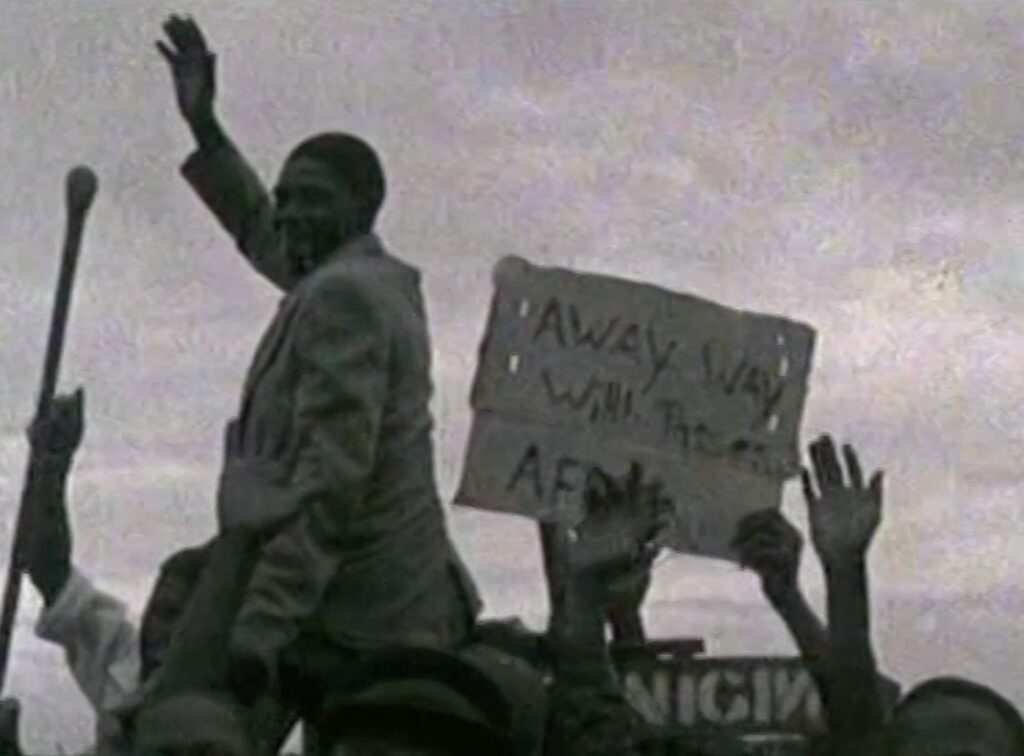
In a significant legal development, victims of the 1960 Sharpeville massacre have filed a lawsuit against the South African government, seeking justice and reparations for the tragic events that unfolded more than six decades ago. The Sharpeville massacre remains a poignant symbol of the brutality of apartheid-era South Africa, where police opened fire on a peaceful protest against pass laws, killing 69 people and injuring many others. The lawsuit aims to hold the government accountable for the actions of its security forces and demands compensation for the victims and their families.
The massacre occurred on March 21, 1960, when thousands of residents gathered at the police station in Sharpeville, a township near Johannesburg, to protest the pass laws that restricted the movement of Black South Africans. The peaceful demonstration turned deadly when police unleashed gunfire, leading to widespread outrage both inside South Africa and internationally.
The plaintiffs argue that the government failed to protect its citizens and instead sanctioned violence, marking a gross human rights violation. They contend that despite numerous investigations and reports over the years, justice has never been fully served, and the victims have not received adequate compensation or acknowledgement from the state.
The case also raises broader issues about the legacy of apartheid and the ongoing struggle for restitution and reconciliation in South Africa. While the post-apartheid government has made strides in addressing past injustices through mechanisms such as the Truth and Reconciliation Commission, many victims and their families feel that these efforts have fallen short in delivering justice and tangible reparations.
Legal experts note that this lawsuit could set a precedent for other apartheid-era cases and may prompt renewed scrutiny of the state’s responsibility for historical human rights abuses. It could also influence South Africa’s ongoing dialogue about how to address the deep scars left by decades of institutionalized racism and violence.
The South African government has not yet issued an official response to the lawsuit, but observers expect a contentious legal battle ahead. The outcome of the case could have important implications for how the country confronts its troubled past and the extent to which it is willing to make amends to those who suffered under apartheid policies.
As the case proceeds, it is expected to revive public interest and discussion around the Sharpeville massacre, a defining moment in South Africa’s history that helped galvanize international opposition to apartheid and eventually led to profound political changes in the country.
The lawsuit underscores the enduring importance of memory and accountability in healing a nation still grappling with the legacy of its past. For the victims and their descendants, this legal action represents not only a quest for justice but also a demand for recognition and dignity long denied.