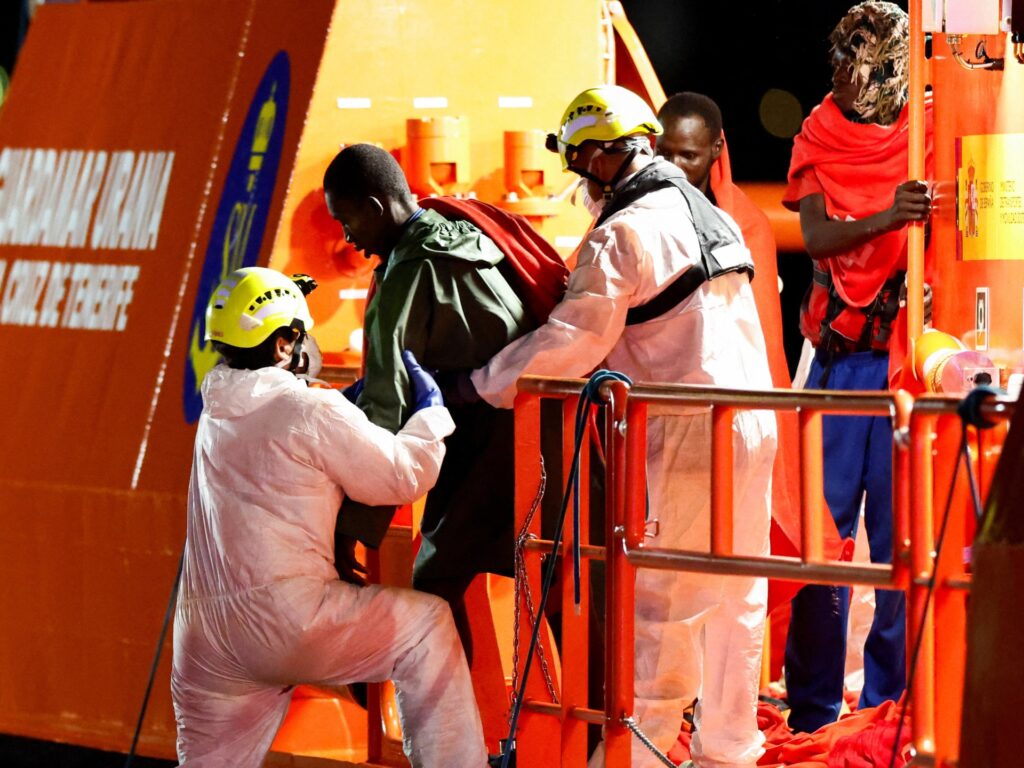
A tragic incident has unfolded off the coast of the Canary Islands, where a boat carrying migrants from The Gambia has been found adrift after 27 days at sea. According to a Spanish migrant NGO, at least five people have been confirmed dead, while more than 80 others are feared to have perished in this harrowing maritime disaster.
The boat, which departed from The Gambia nearly four weeks ago, was believed to be carrying dozens of migrants seeking a better life in Europe. The journey across the Atlantic towards the Canary Islands has long been perilous, with migrants facing extreme conditions including dehydration, starvation, and exposure to harsh sea elements.
Upon discovery, rescue teams found the vessel empty except for a few survivors and the bodies of the deceased. Efforts to locate and assist surviving passengers intensified immediately, but despair grew as authorities and aid organizations began to estimate the scale of the loss.
This incident highlights the ongoing humanitarian crisis at sea, where refugees and migrants undertake dangerous voyages in overcrowded and unseaworthy boats to escape poverty, conflict, or persecution in their home countries. The Canary Islands, an autonomous Spanish archipelago located off the northwest coast of Africa, have increasingly become a focal point for migrant arrivals.
Non-governmental organizations (NGOs) working in the region have criticized insufficient rescue operations and the lack of coordinated international efforts to manage migration flows safely. They argue such tragedies underscore the need for comprehensive policies focused on preventing loss of life and ensuring migrants’ safety during their journeys.
Spanish authorities have pledged to increase maritime patrols and surveillance in an attempt to prevent future occurrences. Meanwhile, humanitarian aid groups continue to call for urgent action, including expanded search and rescue capabilities and improved reception facilities on the islands.
The community surrounding the Canary Islands has responded with compassion, providing aid and support to survivors and families of those who have lost their lives. Yet, the incident remains a stark reminder of the extensive risks faced by migrants traveling across dangerous waters.
This latest disaster adds to a growing list of similar tragic events in the Atlantic migration corridor, emphasizing the critical need for global cooperation to address the root causes of migration and enhance safeguards for vulnerable populations.
Authorities are continuing investigations to piece together the full circumstances surrounding the boat’s departure, journey, and the fate of those onboard. The international community watches closely, hoping to learn from this tragedy to prevent future loss of life.
As efforts to recover survivors and bodies proceed, the heartbreaking story of this migrant boat serves as a call to action for policymakers, humanitarian organizations, and societies worldwide to work towards safer and more humane migration solutions.