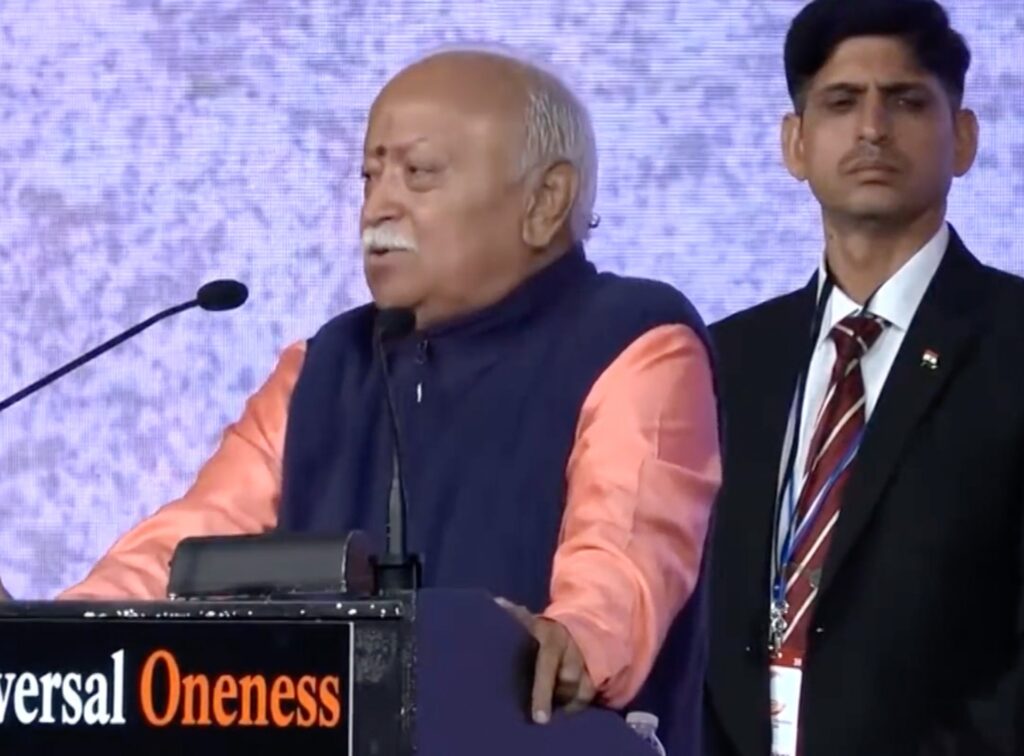
In a recent controversy, several prominent faith leaders have come forward to express their dismay after attending an event linked to the Rashtriya Swayamsevak Sangh (RSS). These leaders allege that they were misled about the nature and affiliations of the gathering, describing their participation as a result of being ‘duped.’
The event, which reportedly aimed at fostering communal harmony and dialogue among diverse groups, was promoted under seemingly neutral or inclusive banners. However, subsequent revelations revealed direct associations with the RSS, a right-wing Hindu nationalist organization with significant influence in India.
Faith leaders from various communities, including minorities who are often sensitive to political and communal affiliations, have voiced concerns that their presence at the event was used to validate and mainstream the RSS’s agenda. They claim they were invited under false pretenses, without full disclosure of the organizers’ identity and the political implications involved.
This development has sparked a wider discussion about transparency and the politicization of religious and social discourse. Analysts suggest that the incident underscores the complexities religious leaders face in navigating political landscapes, especially when invited to events with covert or nuanced political undertones.
The RSS, having historically maintained a complex relationship with religious minorities and secular institutions, has not publicly commented on these accusations. Meanwhile, faith leaders are calling for greater vigilance and thorough vetting of invitations to safeguard the integrity of their engagements and avoid being unwitting participants in politically charged events.
This incident brings to light the challenges in interfaith interactions in a politically charged environment. Building trust hinges on honest representation and clear communication regarding event organizers’ affiliations and intentions. Faith leaders are urging community organizations and event planners to ensure transparency to prevent misuse of such platforms.
As the story unfolds, it remains crucial for communities and leaders alike to foster genuine dialogue free from political manipulation or agenda-driven participation, thus maintaining the sanctity of interfaith harmony and social cohesion.