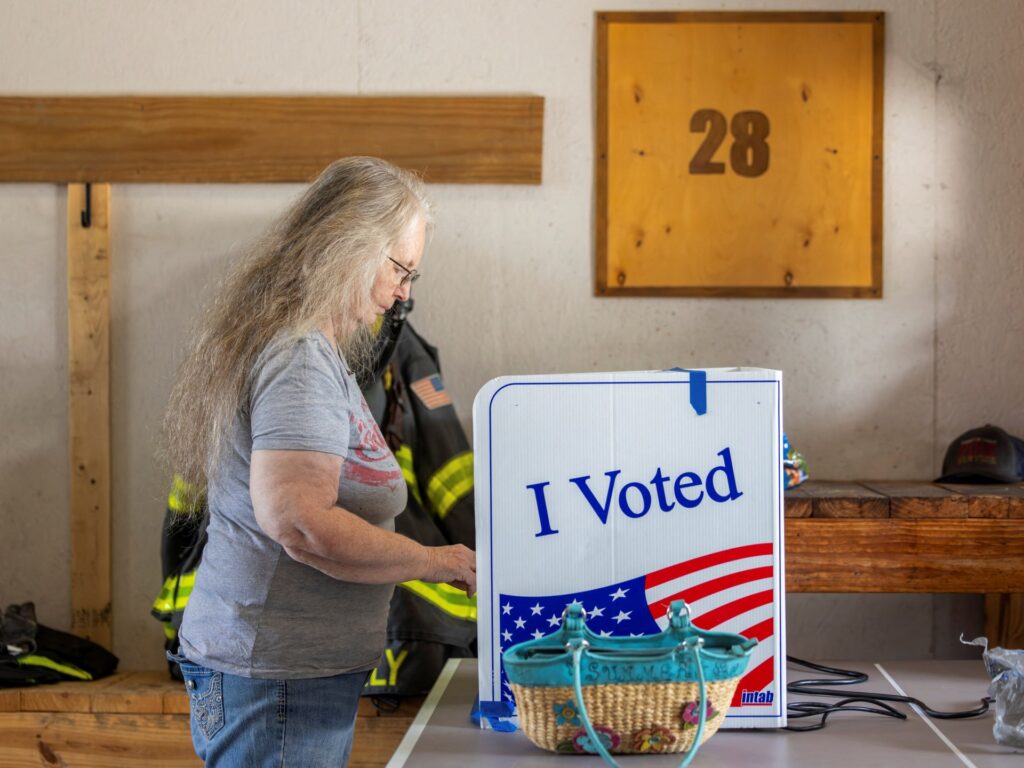
As the United States approaches its midterm elections in November, a heated legal battle is unfolding regarding the regulation of mail-in voting, a method that has sparked significant controversy and debate across the nation.
Mail-in voting, which allows voters to cast their ballots via postal service rather than in person, has become a focal point of political and legal scrutiny. This method, once a niche option primarily used by specific groups such as military personnel and absentee voters, surged in popularity during the COVID-19 pandemic as a safer alternative to in-person voting.
The expansion of mail-in voting was seen as a measure to increase voter participation and ensure public health safety. However, it has since become a contentious issue, particularly among Republican lawmakers and conservative groups who argue that it could lead to increased voter fraud and undermine the integrity of elections.
Opponents of widespread mail-in voting claim that the system is vulnerable to fraud, such as ballot harvesting, double voting, and the submission of ballots by unauthorized individuals. Despite numerous studies and investigations revealing that voter fraud via mail-in ballots is extremely rare, skepticism remains prevalent in certain political circles.
On the other hand, supporters of mail-in voting emphasize its importance in promoting voter accessibility, especially for elderly, disabled, or otherwise immobilized citizens. They argue that efforts to restrict mail-in voting are tactics aimed at suppressing voter turnout, particularly among demographics that tend to vote for Democratic candidates.
The legal battle encompasses a range of issues, including who has the authority to set deadlines for mail-in ballot submissions, how ballots are verified and counted, and what identification requirements are appropriate for voters casting mail-in ballots. Various states have passed or proposed laws tightening mail-in voting regulations, often sparking lawsuits and injunctions that challenge these changes.
Additionally, the debate over mail-in voting is deeply intertwined with broader concerns about election security, voter suppression, and the balance of federal versus state powers in electoral administration. The controversy reflects a polarized political landscape where trust in electoral processes has been eroded.
As November approaches, both parties continue to mobilize legal and public relations campaigns to influence how mail-in voting will be implemented. The outcome of these disputes will likely have a significant impact on voter turnout, election results, and the future of voting rights in the United States.
In summary, the vote-by-mail controversy in the US revolves around divergent views on election integrity, voter accessibility, and political strategy. It is a key battleground in the ongoing struggle to define the democratic process amid shifting political and social dynamics.