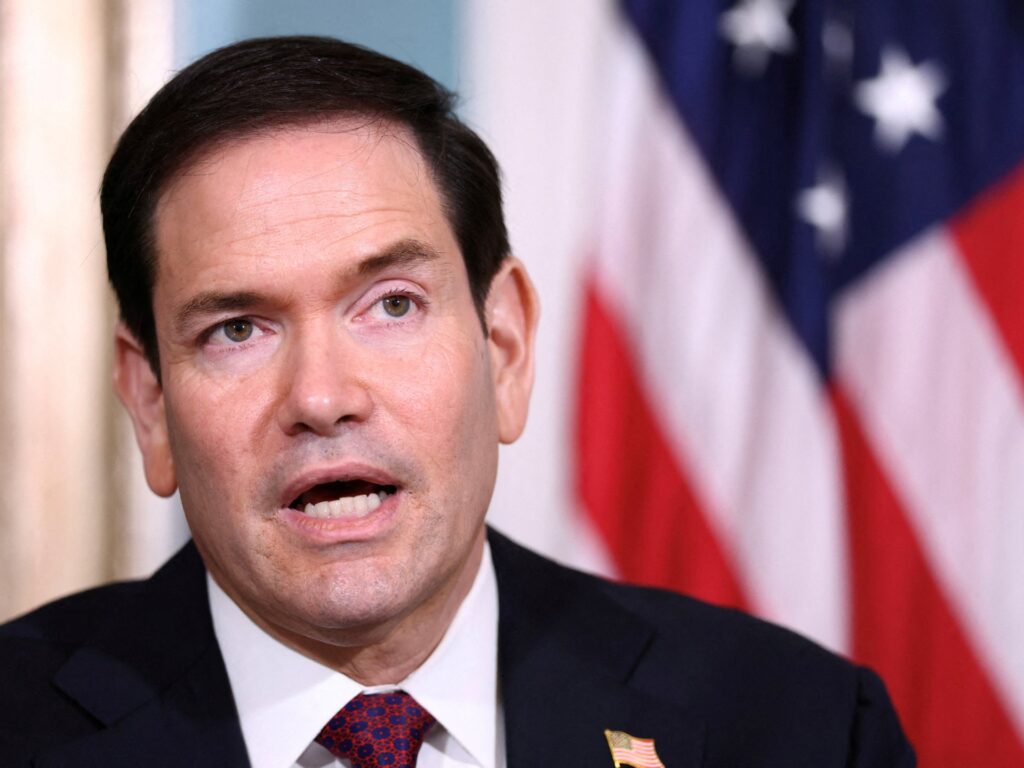
The United States has announced its intention to leverage a regional body to isolate Nicaragua in response to recent constitutional changes made by the Nicaraguan government. This move comes after Nicaragua’s lawmakers enacted amendments to the country’s constitution, effectively banning most forms of political opposition. The constitutional changes have drawn significant international criticism, with concerns raised over the erosion of democratic norms and the suppression of dissent.
Officials from the US government have expressed strong disapproval of the Nicaraguan legislature’s decision, describing it as a direct attack on democratic principles and political pluralism. By altering the constitution to eliminate the possibility for most political groups to function freely, Nicaragua’s government has tightened its grip on power, raising alarms about the future of democracy within the country.
In response, the US aims to collaborate with regional organizations, likely including entities such as the Organization of American States (OAS) or other Latin American multilateral institutions, to coordinate measures aimed at diplomatically and politically isolating Nicaragua.
This strategy may include imposing targeted sanctions on Nicaraguan officials responsible for the constitutional changes, restricting financial and diplomatic engagements, and garnering support among neighboring countries to collectively pressure Managua to reverse its recent decisions.
The move highlights Washington’s broader goal of promoting democratic governance and human rights in the Western Hemisphere by opposing authoritarian tendencies evident in Nicaragua. Furthermore, the US administration intends to send a clear signal to other countries in the region about the consequences of undermining democratic institutions.
The Nicaraguan government’s justification for the constitutional overhaul has centered on claims of protecting national sovereignty and combating perceived threats to stability. However, critics argue these actions primarily serve to entrench the ruling party’s power and diminish political competition.
International observers and human rights organizations have condemned Nicaragua’s constitutional changes, emphasizing that genuine democracy requires the presence of diverse political voices and fair competition. The use of a regional body by the US reflects an attempt to seek a united front among Latin American nations to address the crisis democratically and peacefully.
The evolving situation remains closely watched by global stakeholders, as developments in Nicaragua have broader implications for regional stability, democratic integrity, and international law. The US decision to leverage multilateral mechanisms reflects a diplomatic approach that combines pressure with cooperation to resolve political challenges.
In summary, the United States’ declaration to use a regional body to isolate Nicaragua marks a significant escalation in diplomatic efforts to respond to constitutional changes banning political opposition. This approach underscores ongoing concerns about democratic backsliding in Nicaragua and the commitment of the US and its partners to uphold democratic standards in Latin America.