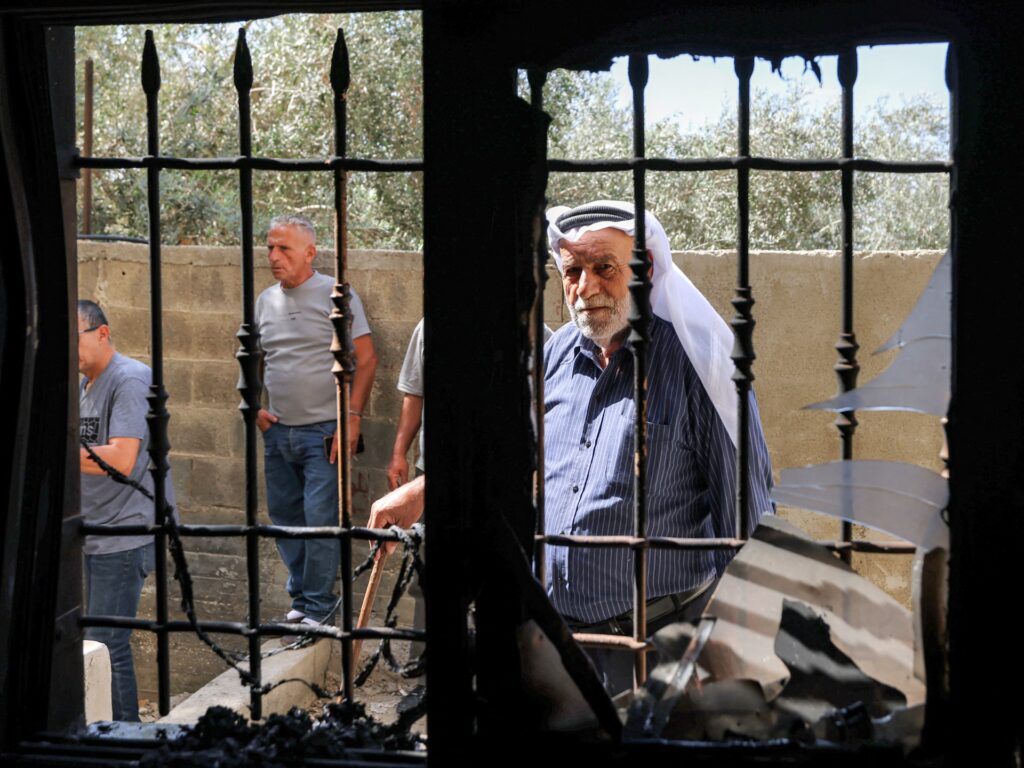
In recent months, the West Bank has witnessed a disturbing surge in violent incidents targeting mosques, as Israeli forces and settlers have intensified attacks on places of worship. Palestinian authorities report that 13 mosques have been ‘violated’ so far this year, raising alarm over the protection of religious sites and the broader implications for peace in the region.
These attacks come amid escalating tensions and frequent clashes between Israeli forces and Palestinian worshippers. One of the most notable methods used by Israeli security personnel has been the deployment of tear gas directly into mosques during prayer times, forcibly dispersing worshippers and causing injuries. Eyewitness accounts describe scenes of chaos and fear, with many worshippers struggling to escape the suffocating fumes.
The targeting of mosques, which hold profound religious and cultural significance for Palestinians, has heightened fears of further erosion of religious freedoms under occupation. Palestinian officials have condemned the attacks, labeling them as violations of international law and calling for immediate intervention by global human rights bodies.
Settler violence has also contributed to the surge in mosque attacks. In several cases, extremist settlers have been accused of vandalizing mosque property, desecrating holy sites, and intimidating local worshippers through aggressive actions. These incidents not only threaten the sanctity of religious sites but also exacerbate existing tensions between communities living in the West Bank.
International responses have varied, with some governments expressing concern over the protection of religious sites while others have remained largely silent. Human rights organizations continue to document these abuses and urge for greater accountability and respect for religious freedoms.
The increase in mosque violations underscores the fragile and volatile situation in the West Bank. As worshippers face obstacles in practicing their faith freely and safely, the broader impact on communal harmony and the peace process cannot be underestimated.
Efforts to address these challenges require concerted dialogue among all parties involved, including Israeli authorities, Palestinian leadership, international mediators, and religious communities. Ensuring the protection of sacred sites and the rights of worshippers must remain a priority in any pursuit of a lasting resolution to the conflict.
The surge in violence faced by West Bank mosques is a stark reminder of the deep-rooted complexities of the Israeli-Palestinian conflict. It highlights the urgent need for renewed commitments to human rights, protection of religious freedoms, and peaceful coexistence to prevent further deterioration of the situation on the ground.