Tensions between Russia and Ukraine have escalated sharply as recent airstrikes rocked both countries, leading to an alarming exchange of threats between Russian President Vladimir Putin and Ukrainian President Volodymyr Zelenskyy. The violence has heightened fears of further conflict and international repercussions.
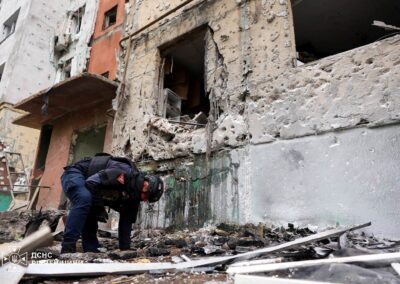
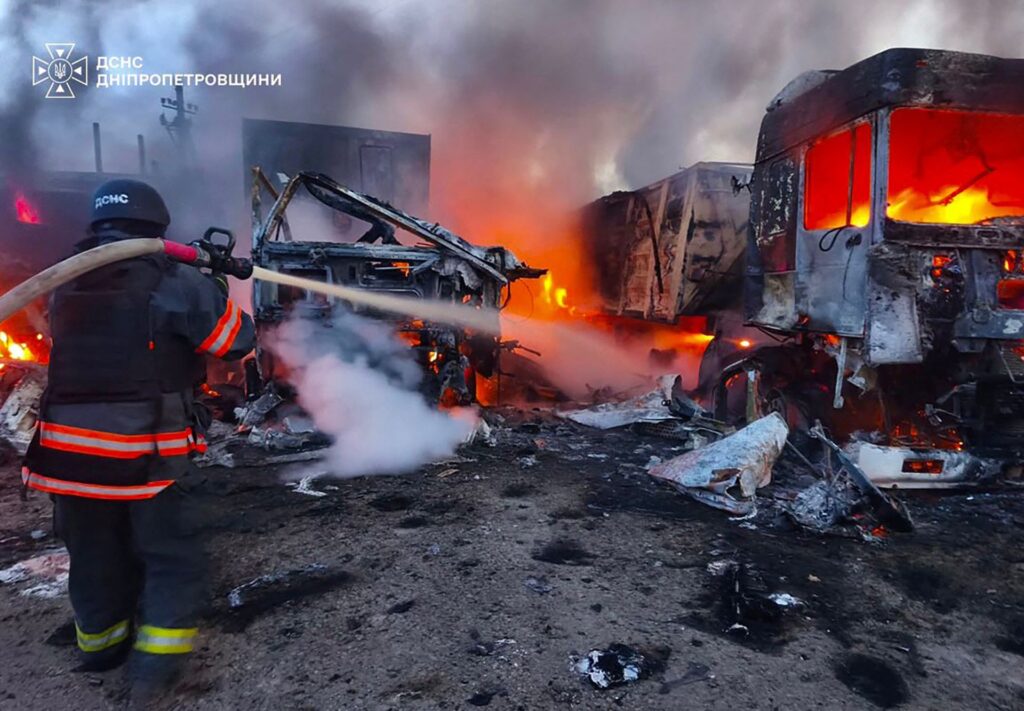
In the latest developments, multiple strikes have targeted strategic locations across Ukraine and Russia, causing significant damage and casualties. The attacks have exacerbated an already fragile security situation in the region.
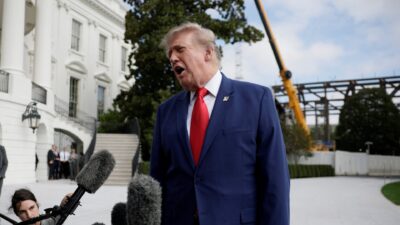
Russian President Vladimir Putin publicly accused Ukrainian President Zelenskyy of perpetrating acts of terrorism, declaring that the Ukrainian government’s actions are unacceptable and constitute a direct threat to Russian security. Putin’s statements underscore Moscow’s narrative that frames Ukraine’s military activities as hostile and unlawful.
In response, President Zelenskyy issued a stern warning to foreign airlines against utilizing Russian airspace, citing safety concerns amidst the ongoing conflict. Ukraine’s caution aims to prevent any potential incidents that could endanger international air travel and escalate tensions further.
Experts warn that this tit-for-tat rhetoric could fuel a dangerous spiral of retaliation. The strikes and hostile statements come amid complex geopolitical dynamics involving NATO, the European Union, and other global actors closely monitoring the situation.
The international community has expressed deep concern over the escalating violence and urged both sides to pursue diplomatic solutions to avoid a broader conflict. However, the strong language exchanged by the two leaders signals a hardening of positions that may complicate peace efforts.
Civilian populations in affected areas are bearing the brunt of the conflict, facing casualties, displacement, and disruption of essential services. Humanitarian organizations have called for immediate ceasefire agreements to enable aid delivery.
Analysts note that the timing of the attacks and subsequent rhetoric suggests strategic moves by both governments to consolidate domestic support and influence international opinion. The invocation of terrorism by Putin is particularly significant, as it could justify more aggressive Russian military measures under international law.
Meanwhile, the Ukrainian government’s warning to airlines is a pragmatic step to mitigate risks but also a demonstration of the country’s assertion of sovereignty and control amidst the conflict.
The strikes themselves have targeted infrastructure deemed critical by both sides, including military installations, transportation hubs, and energy facilities, disrupting economic activity and daily life.
As both nations brace for what may come next, the world watches with growing alarm. The potential for broader conflict demands urgent attention and action from global leaders.
This ongoing crisis highlights the volatility in Eastern Europe and the delicate balance of peace and power in the region. Continued dialogue, de-escalation, and international mediation remain crucial to preventing further devastation.