As children in the Democratic Republic of Congo (DR Congo) return to school, there are escalating concerns over the ongoing Ebola outbreak in the region. Schools reopening marks an important milestone for education and normalcy but poses challenges due to the health risks posed by Ebola.
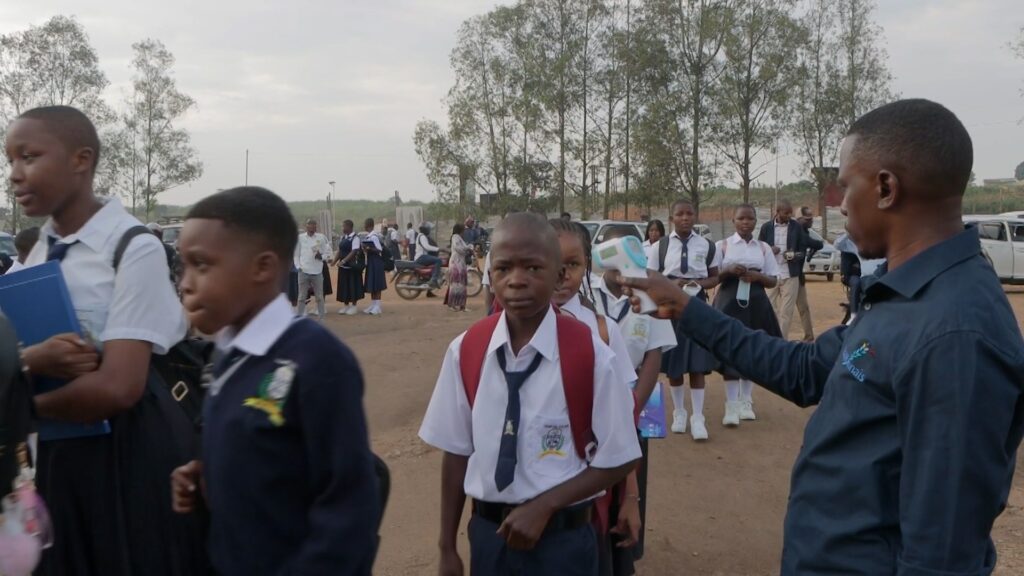
The government, in collaboration with health organizations, has implemented strict protocols to minimize the risk of virus transmission within schools. These measures include regular temperature checks, mandatory handwashing and sanitizing stations, social distancing where possible, and immediate isolation protocols for any students showing symptoms.
Ebola virus disease, a severe and often fatal illness, has been a recurring threat in DR Congo. The latest outbreak has prompted heightened vigilance as authorities aim to balance educational needs with public health safety. The World Health Organization (WHO) and local health ministries are working closely to monitor the situation and provide timely information and support to affected communities.
Parents and educators express mixed feelings about the return to classrooms. While many are eager to resume in-person learning, others express concern about the potential for an outbreak in school settings. Some communities have been hesitant to send children back due to fears of infection and misinformation about Ebola.
The Ministry of Health continues its efforts to raise awareness about Ebola transmission and prevention. Campaigns emphasize the importance of hygiene, early detection, and vaccination campaigns targeted at high-risk populations. Vaccination drives have been expanded in affected and adjacent areas to curb the virus spread.
Health experts stress that maintaining open schools safely requires a community-wide approach. They advocate for the integration of health education into the school curriculum to empower children with knowledge on preventing infectious diseases.
In addition to health interventions, the government has increased support for school infrastructure to reduce overcrowding and improve ventilation. Non-governmental organizations (NGOs) play a vital role in providing resources and training to school staff on managing health emergencies.
Despite challenges, the school reopening is seen as a positive step towards restoring routine and hope for families impacted by the outbreak. Many students had faced months without formal education, and resuming classes can help mitigate the long-term effects of disruption.
The situation remains fluid, with health authorities monitoring infection rates closely. Continued vigilance, community cooperation, and effective communication are key to ensuring children’s safety as they pursue their education amidst the ongoing Ebola concerns.
As DR Congo navigates this complex scenario, the collective efforts of government, health workers, educators, parents, and international partners are crucial to protecting children’s health and future prospects.