The International Atomic Energy Agency (IAEA), the United Nations’ nuclear watchdog, has issued an urgent warning regarding the lack of access to Iranian nuclear sites. The agency expressed serious concerns about the implications for nuclear non-proliferation efforts globally due to the restrictions on information and physical inspections at these facilities.
According to the IAEA, the current inability to verify Iran’s nuclear material raises significant proliferation risks. The agency’s mandate involves monitoring and ensuring that nuclear programs are used strictly for peaceful purposes, preventing the diversion of nuclear material for weapon development.
The warning comes amid growing international tensions and ongoing negotiations with Iran over its nuclear activities. The IAEA emphasized that without full access, it cannot provide credible assurances about the nature and scope of Iran’s nuclear program.
Lack of transparency and access undermines the global non-proliferation regime anchored by the Treaty on the Non-Proliferation of Nuclear Weapons (NPT). The UN watchdog stressed that this situation could lead to increased suspicion and instability in the region and beyond.
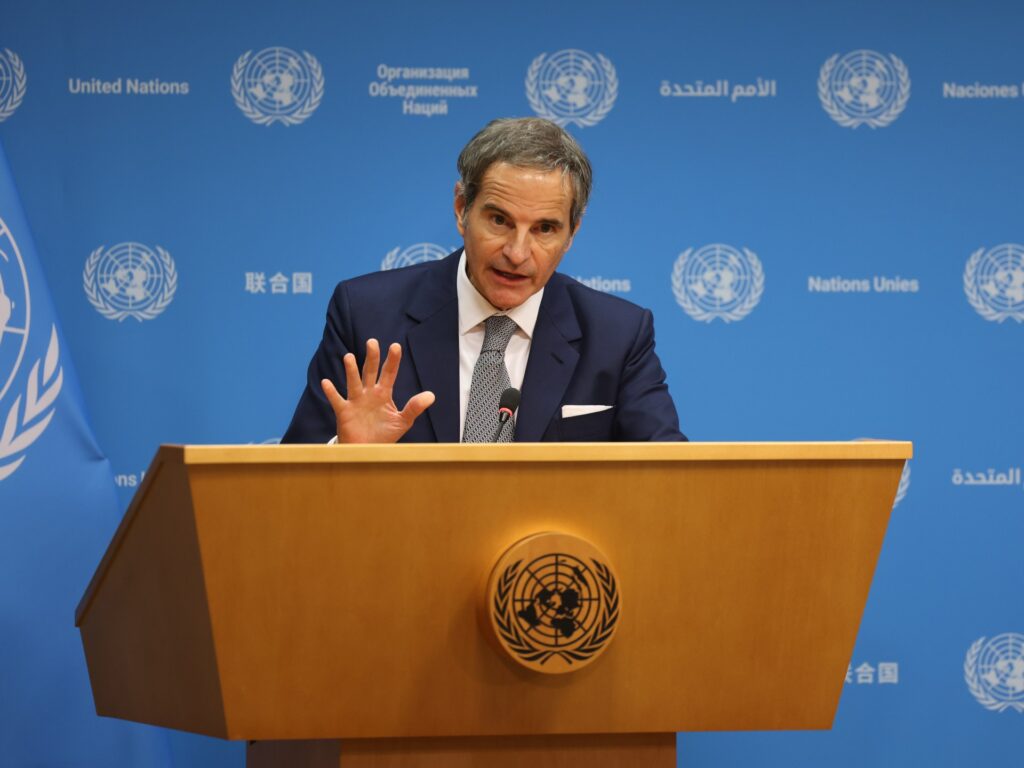
IAEA Director General Rafael Grossi has repeatedly called on Iran to facilitate inspections and provide necessary documentation about its nuclear materials and activities. The agency highlighted that these steps are crucial for verifying Iran’s compliance with its safety and security obligations.
The international community, including the UN Security Council and major world powers, have been monitoring the situation closely. Many countries have reiterated their support for the IAEA’s efforts and called on Iran to engage constructively to resolve outstanding issues.
Iran has maintained that its nuclear program is peaceful and for energy purposes, but the lack of unfettered access for inspectors has drawn widespread criticism and suspicion.
The IAEA’s latest report underscores that time is of the essence. Delays or denials of access could further complicate diplomatic efforts and heighten the risk of nuclear proliferation.
Experts warn that without transparent verification, the potential for clandestine nuclear weapons development cannot be ruled out. Therefore, the watchdog insists on urgent action to restore confidence and uphold international security standards.
In conclusion, the IAEA’s urgent plea highlights a critical junction for global nuclear safety and non-proliferation. Ensuring unimpeded access to Iranian nuclear facilities remains essential for monitoring compliance and preventing escalation.