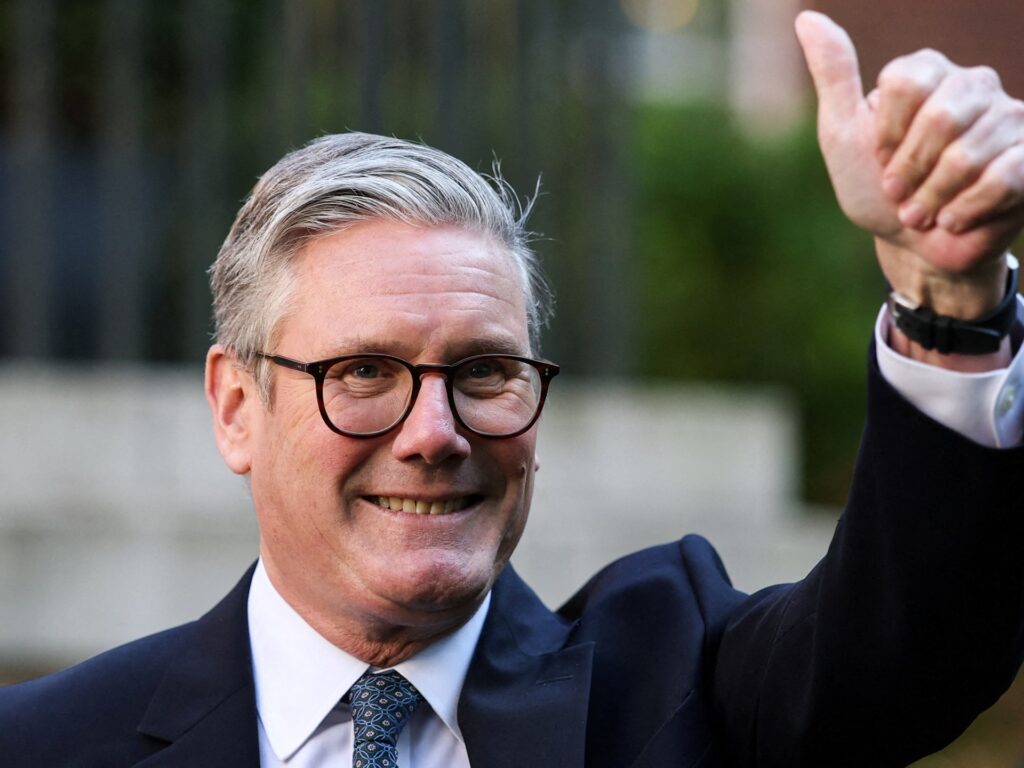
In a significant political development, Keir Starmer, the former UK Prime Minister and ex-Leader of the Labour Party, has announced his decision to retire from domestic politics. This departure marks the end of an era for Starmer, who has been a central figure in British politics for many years, having led the opposition and championed numerous domestic policies.
Starmer’s announcement comes at a time of considerable change within the Labour Party and the wider UK political landscape. His tenure as Prime Minister was marked by efforts to navigate complex issues ranging from economic challenges to social reforms. However, following his ousting, Starmer has chosen to redirect his focus from the domestic political arena to international affairs.
According to sources close to Starmer, this shift reflects his long-standing interest in global diplomacy and international policy. By stepping away from the day-to-day grind of domestic politics, he aims to contribute to the UK’s presence and influence on the global stage. It is expected that Starmer will leverage his extensive experience and networks to engage in diplomatic initiatives, international cooperation, and global development projects.
Political analysts suggest that Starmer’s move could have several implications. For the Labour Party, it means a leadership vacuum that will need to be filled with new figures ready to take on the challenges of domestic governance and opposition. For the UK, Starmer’s expertise will potentially enrich the country’s international strategic positions, especially in a post-Brexit world where global relationships are continuously evolving.
Starmer’s decision not only highlights his personal career trajectory but also signals broader shifts in political careers where leaders increasingly balance national priorities with global responsibilities. His transition could inspire other politicians to consider international roles as valuable avenues for public service.
The Labour Party has yet to announce an immediate successor, but an internal election process is anticipated to select a new leader who can rejuvenate the party’s agenda and appeal to voters ahead of upcoming elections.
In reflecting on his career, Starmer expressed gratitude to his supporters and emphasized his commitment to serving the public good, now through international channels. His next steps will be closely watched by politicians, journalists, and the public alike, as he embarks on this new chapter.
Overall, the end of Keir Starmer’s domestic political career and his pivot to international affairs underscore the dynamic nature of political service and the evolving roles leaders play in addressing both national and global challenges.