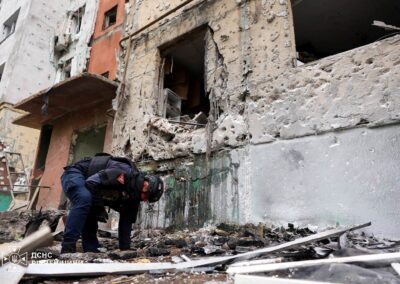
France, Europe’s largest wine exporter, is facing a multifaceted crisis that threatens the livelihood of its iconic wine industry. This year, the country has been battered by severe heatwaves, which have exacerbated the effects of widespread wildfires across key wine-producing regions. Wildfires have scorched vineyards, destroying grapevines and reducing the quality of the harvest. Beyond the immediate damage of flames, the lingering smoke taint has compromised the taste and aroma of the grapes, leading to a decrease in wine quality that consumers can detect.
These environmental challenges come amidst a backdrop of shifting market dynamics. Global demand for French wine has seen a slowdown due to economic uncertainties and changing consumer preferences. Lower sales volumes are creating financial strain for wine producers who are already grappling with higher production costs driven by the need for additional protective measures against climate factors.
The combination of relentless heatwaves and powerful wildfires is pushing the wine industry into uncharted territory. Traditionally, cooler climates and predictable weather patterns have ensured a stable grape-growing season. However, rising temperatures have shortened growing seasons and altered the delicate balance required for producing premium wines. In many vineyards, grapes are ripening too quickly, which affects sugar levels, acidity, and ultimately, the flavor profile.
France’s wine regions such as Bordeaux, Burgundy, and the Rhône Valley, which are famed worldwide for their distinctive varieties, have reported unprecedented wildfire incidents this year. These fires not only obliterate hectares of cultivated vineyards but also threaten the rural communities dependant on viticulture for their economic survival.
In response, winegrowers are adopting innovative techniques to mitigate climate change impacts. These include planting heat-resistant grape varieties, adjusting pruning methods, and implementing advanced irrigation systems. Additionally, there is a growing interest in sustainable and organic viticulture practices to protect the soil and biodiversity.
Government and industry bodies are also stepping up with financial aid packages and research initiatives aimed at helping the sector adapt. Efforts to improve wildfire prevention and management are underway, including enhanced surveillance and more effective firefighting resources in vulnerable areas.
Despite these efforts, the path ahead remains uncertain. Experts warn that without significant global action to curb climate change, the frequency and intensity of wildfires and heatwaves will only increase, putting further pressure on France’s wine industry.
The challenges faced by France serve as a warning to other wine-producing countries grappling with similar ecological threats. Preparing the industry for a future shaped by climate volatility will require coordinated efforts across scientific research, policy-making, and grassroots innovation.
In summary, the very character and economic foundation of French winemaking are under threat from the twin crises of heatwaves and wildfires. The resilience of France’s wine industry is being tested like never before, as producers fight to preserve a treasured cultural heritage while adapting to an increasingly hostile natural environment.