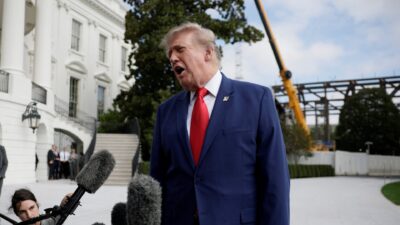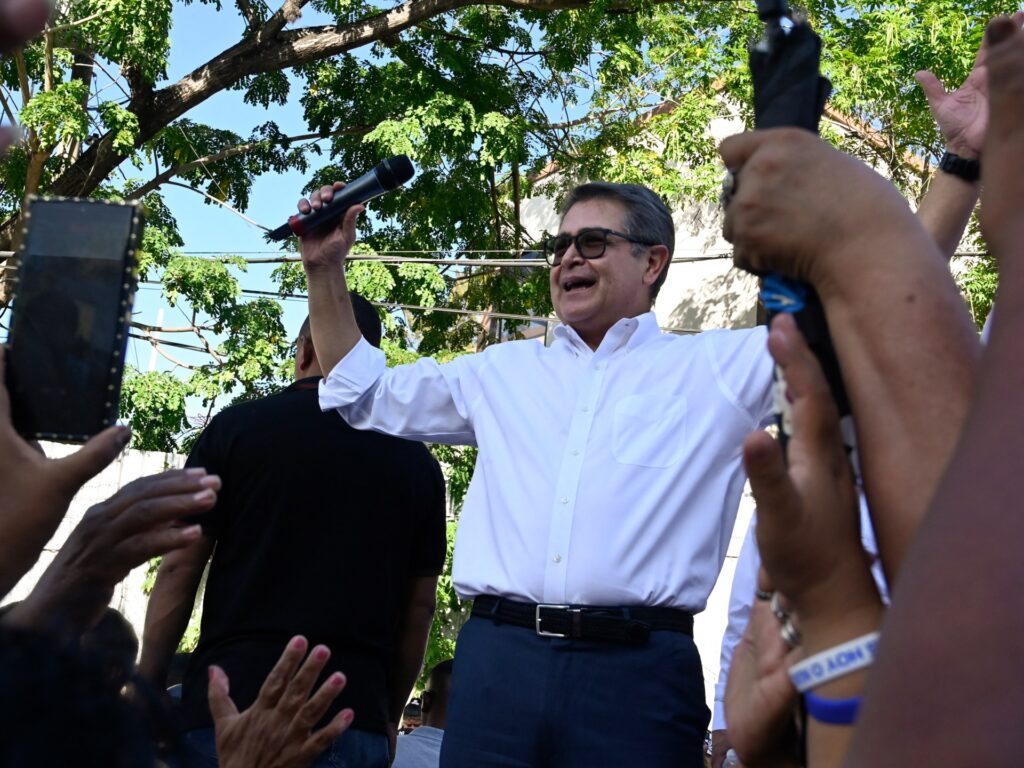
In a recent development, a Honduran court has decided to drop the case against former President Juan Orlando Hernandez, who had been facing charges related to money laundering and fraud. These accusations stemmed from a government corruption scheme that tarnished the reputation of the administration. Hernandez’s legal troubles reportedly escalated after U.S. prosecutors linked him to significant criminal activities, including drug trafficking allegations. However, the case took a dramatic turn after former U.S. President Donald Trump issued a pardon for Hernandez. The pardon, which came as a surprise to many legal experts and observers, effectively halted ongoing legal proceedings against the ex-president. Honduran judicial authorities have since dismissed the charges, citing the pardon as a key factor influencing their decision. This controversy highlights the complex interplay between international politics, judicial systems, and executive powers. Supporters of Hernandez argue that the pardon and subsequent dismissal of the case restore justice and clear his name, emphasizing his previous efforts to lead Honduras. Critics, on the other hand, express concerns about the implications for anti-corruption efforts and the potential for undue political influence over legal matters. The situation also raises broader questions about the use of presidential pardons in sensitive political and legal cases involving high-profile figures. As Hernandez remains a notable figure in Honduran politics, this legal resolution could impact the country’s political landscape and the public’s trust in the judiciary. The international community is closely watching how this case evolves and its aftermath, particularly in terms of combating corruption and strengthening the rule of law in the region. Overall, the dismissal of the charges against Juan Orlando Hernandez following President Trump’s pardon marks a significant moment in Honduras’ ongoing legal and political saga.