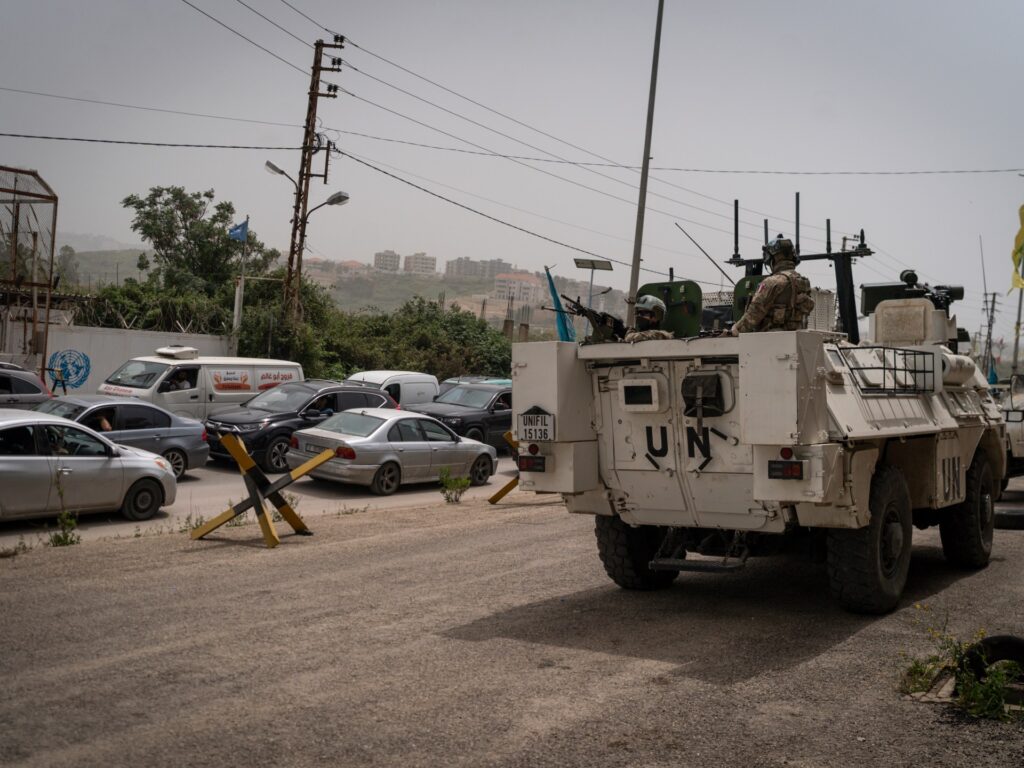
As the United Nations Interim Force in Lebanon (UNIFIL) prepares to conclude its mandate on December 31, questions arise about the future security dynamics in Lebanon and the broader region. UNIFIL, established in 1978 to oversee the cessation of hostilities between Lebanon and Israel, has played a pivotal role in maintaining peace and stability along the volatile border. With its departure looming, there is increasing speculation about who will fill the void left behind and how regional actors will respond to this significant shift.
The security vacuum created by UNIFIL’s withdrawal presents both challenges and opportunities. Analysts suggest that Israel might see potential benefits from the force’s absence, as it could lead to a recalibration of military and diplomatic strategies in southern Lebanon. The reduction of an international buffer might embolden certain factions within Lebanon, possibly leading to escalated tensions. This situation necessitates careful monitoring and proactive engagement from international stakeholders to prevent a resurgence of conflict.
Europe is emerging as a potential candidate to step into this role. European countries, with their diplomatic experience, peacekeeping capabilities, and vested interests in Middle Eastern stability, could fill the space left by UNIFIL. The European Union and individual member states have a history of contributing to peace efforts in the region through humanitarian aid, political mediation, and security cooperation. Their involvement could provide a stabilizing factor and help sustain dialogue among Lebanon’s diverse political and social groups.
Several European nations have expressed willingness to engage more deeply in Lebanon’s security framework. This engagement aligns with broader European foreign policy objectives aimed at mitigating conflict spillover, managing refugee flows, and combating terrorism. By expanding their presence, European countries could strengthen Lebanon’s institutional capacity and promote reforms essential for long-term peace and development.
However, Europe’s potential role is not without complexities. The Middle East’s intricate geopolitical landscape demands nuanced diplomacy. The presence of various armed groups, regional rivalries, and the fragile nature of Lebanon’s political system create substantial hurdles. European involvement would require coordination with existing international actors, including the United States, the United Nations, and regional powers, to ensure a cohesive and effective strategy.
Critics argue that Europe’s capacity to replace UNIFIL might be limited due to financial constraints, political will, and the risk of becoming entangled in Lebanon’s internal conflicts. Moreover, there’s a concern about whether European forces could maintain impartiality and secure acceptance from all local parties, including Hezbollah, which holds significant influence in southern Lebanon.
Nevertheless, proponents believe that Europe’s diplomatic leverage and commitment to multilateralism could offer a credible and balanced approach to sustaining peace. The EU’s normative power and emphasis on human rights and governance reform may also contribute to addressing underlying issues that have historically undermined stability in Lebanon.
In addition to security concerns, Europe’s increased engagement could facilitate much-needed economic support and reconstruction efforts. Lebanon is grappling with severe economic turmoil, and the absence of a peacekeeping force risks exacerbating vulnerabilities. European assistance could complement security measures by promoting development, countering extremism, and supporting civil society.
As the December deadline approaches, discussions about the future of Lebanon’s security framework intensify. Stakeholders emphasize the importance of designing a comprehensive strategy that incorporates regional and international actors while prioritizing Lebanon’s sovereignty and internal cohesion.
The expiration of UNIFIL’s mandate marks a critical juncture for Lebanon and its neighbors. The potential for increased instability exists, but so does the opportunity for renewed international cooperation. Europe’s potential to fill the vacuum depends on its ability to navigate geopolitical complexities, foster inclusive dialogue, and commit resources to both security and development.
Ultimately, Lebanon’s future stability rests on a collective effort that transcends borders. Europe’s involvement could be a vital component of this effort, but it requires concerted action, strategic vision, and sustained support from the global community.