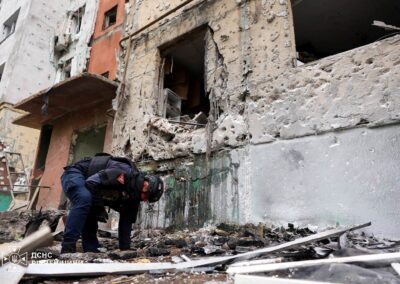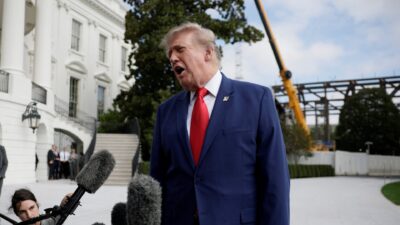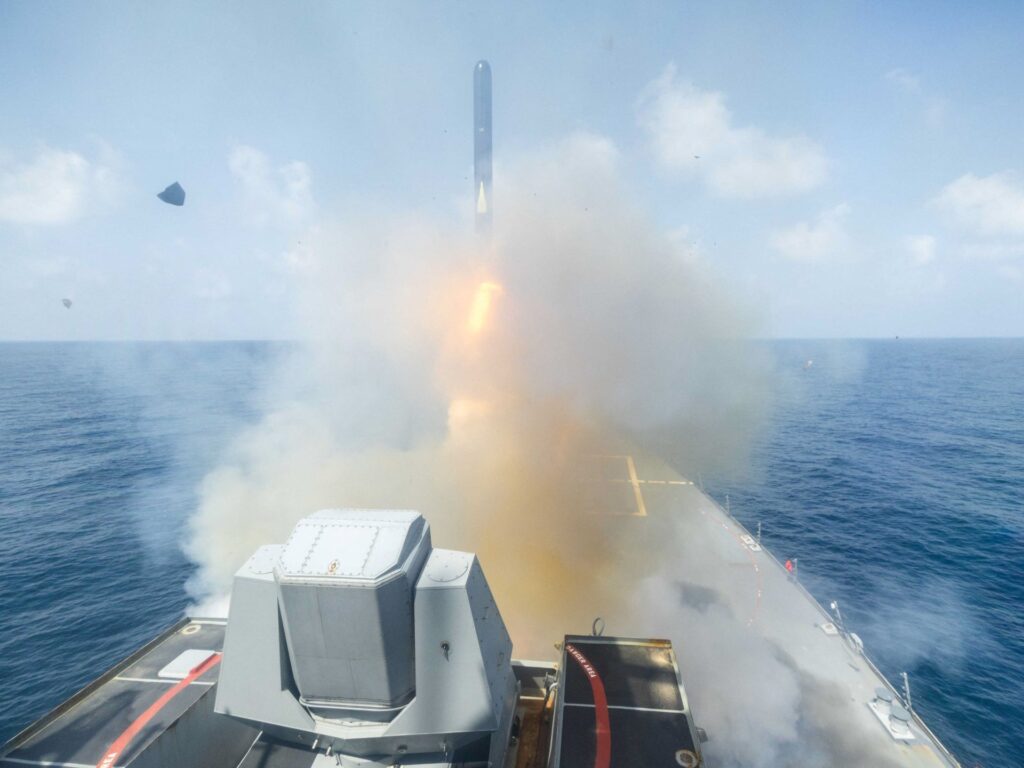
In a dramatic escalation of tensions in the Middle East, the United States launched a series of airstrikes targeting key locations in Iran. This military action marks a significant intensification in the ongoing conflict between the two nations, drawing widespread international attention and concern over potential further destabilization of the region.
The US bombing campaign was aimed at crippling what Washington identified as strategic military assets within Iran, a move that was perceived as a direct challenge to Tehran’s influence and capabilities.
In immediate response, Tehran vowed severe punishment and retaliation against Washington, highlighting the persistent volatility of relations between the two countries. Iranian officials announced plans to extend their retaliatory measures beyond direct US targets, extending their operations to neighboring Gulf states and Jordan, countries they accuse of aligning closely with US interests.
This renewed wave of aggression inflamed already heightened tensions in the Persian Gulf, a critical corridor for global oil shipments, amplifying fears about the security of energy supply routes and broader geopolitical stability.
Experts warn that the conflict risks escalating into a broader regional war, potentially involving multiple countries and alliance systems, making diplomatic resolutions increasingly challenging.
The international community has responded with calls for restraint and urgent diplomatic initiatives to prevent further bloodshed. The United Nations and various global powers have expressed deep concern over the unfolding violence, urging both sides to engage in dialogue.
The history of hostile relations between the US and Iran is complex, driven by decades of political, ideological, and military confrontations. This latest episode underscores the enduring nature of their rivalry and the potential for future flare-ups.
As the situation develops, world leaders remain on high alert, closely monitoring developments and preparing for possible humanitarian impacts on civilians caught in the crossfire.
This conflict could significantly reshape alliances and power dynamics in the Middle East, with far-reaching consequences for international relations and global security.
The coming days are critical in determining whether this cycle of violence can be halted or if it will spiral into a wider conflagration with devastating consequences for the region and beyond.