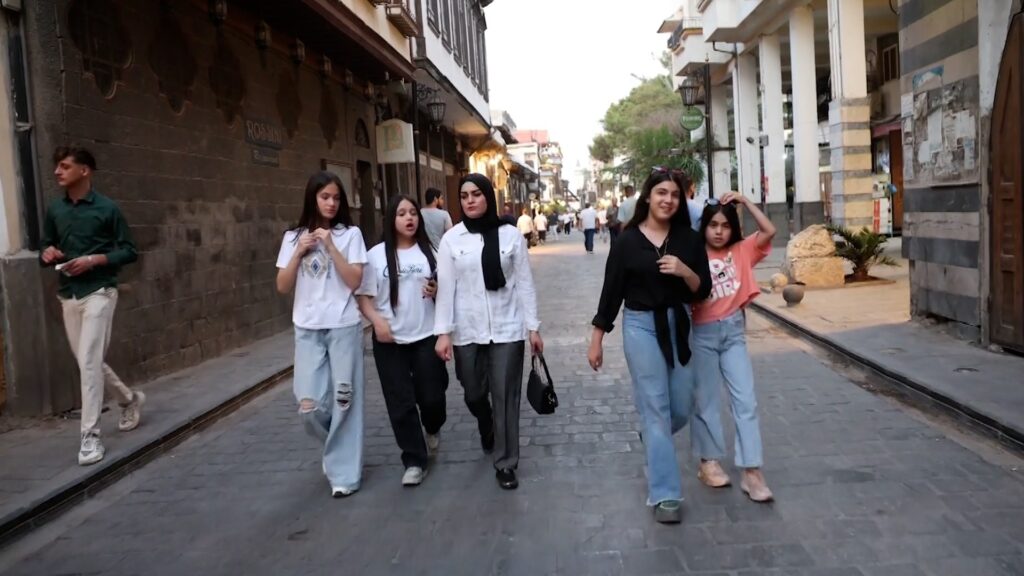
In a refreshing change of pace, Damascus’ Old City experienced a rare moment of tranquility as it went completely car-free for 24 hours. This initiative allowed residents and visitors alike to traverse the historic streets without the usual hustle and bustle of vehicular traffic. The decision to restrict cars for a full day was met with enthusiasm, providing a unique opportunity to explore the area’s rich cultural heritage in a more peaceful and pedestrian-friendly environment.
The car-free day was part of a broader effort to promote sustainable urban living and reduce pollution in the heart of the ancient city. For many, the experience was not only nostalgic, harkening back to times when the city was less congested, but also a glimpse into what urban centers could look like with reduced reliance on cars. Pedestrians filled the streets, enjoying the sights, sounds, and scents of Damascus without the noise and emissions typically associated with traffic.
Local businesses witnessed an increase in foot traffic, as people took advantage of the open streets to visit shops, cafes, and markets. This boost was welcomed by merchants who often see a predominance of vehicles hindering access to their storefronts. The car-free initiative also encouraged more social interaction among residents, fostering a strengthened sense of community within the Old City.
City officials have considered making car-free days a regular event, recognizing the environmental benefits and the positive feedback from the population. Such measures align with global trends toward creating more sustainable and livable cities by prioritizing pedestrians, cyclists, and public transport over private cars.
The 24-hour car-free period also highlighted the city’s potential for hosting similar events in the future, possibly extending the duration or designating specific zones to be traffic-free on a regular basis. This aligns with broader urban renewal efforts aimed at preserving the historic charm of Damascus while improving quality of life for its residents.
Environmental advocates praised the initiative, noting reductions in air and noise pollution during the 24 hours. The clear skies and cleaner air offered a tangible demonstration of the positive impact that reducing vehicle traffic can have on urban environments.
Residents appreciated the break from the usual traffic congestion, and many expressed hope that the car-free concept could become more frequent. The experiment provided valuable data and community feedback that city planners can use to shape future policies.
Overall, the 24-hour car-free day in Damascus’ Old City proved to be a successful and popular event. It served as a reminder of the potential benefits of prioritizing pedestrians and the importance of reimagining urban spaces for the well-being of all city dwellers. The event fostered a vision of a more sustainable, vibrant, and accessible Damascus, where history and modern life coexist in harmony.