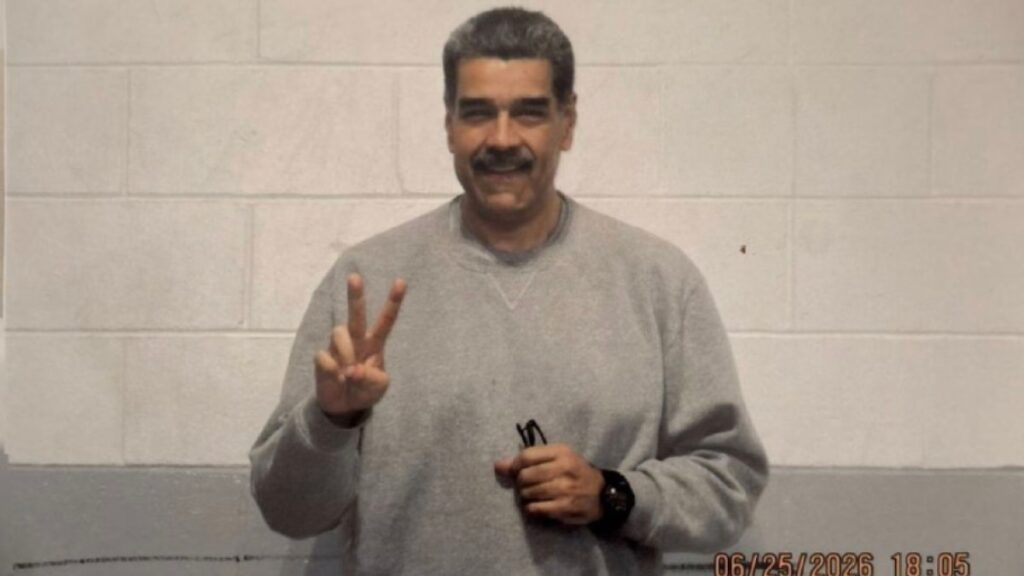
In a surprising turn of events, Venezuelan President Nicolás Maduro has shared what appear to be the first photos from his detention in the United States. The images were published on his official social media accounts just two days after a significant US-Venezuela oil agreement was announced.
This unexpected revelation has sparked intense speculation and concern among international observers and Venezuelan citizens alike. Maduro’s post purportedly shows him in a detention facility in the US, an extraordinary development given his established role as the Venezuelan president.
The timing of these images coincides closely with the recent US-Venezuela oil deal, which marks a potential thaw in relations after years of sanctions and diplomatic tensions. This oil agreement is viewed by many as a pivotal step toward normalization between the two nations, promising economic benefits and a restructuring of geopolitical alliances.
Details on the circumstances leading to Maduro’s apparent detention remain scarce, raising numerous questions about the nature of his detention—whether it is voluntary or involuntary, and under what legal framework it is occurring. Authorities in the US have not issued official comments regarding these images or Maduro’s detention status.
The global community is watching closely, as this development could have significant implications for international diplomacy in Latin America and beyond. Analysts note that the situation might influence political dynamics in Venezuela, where Maduro’s presidency has been marked by controversy and an ongoing struggle for power with opposition forces.
Maduro’s government has historically been resistant to US influence, making this episode all the more intriguing and complex. The sudden release of detention photos introduces new variables into the existing narratives about US-Venezuela relations and raises questions about the future trajectory of both countries in terms of cooperation and conflict.
As the story unfolds, humanitarian organizations and foreign governments are expressing concern about Maduro’s wellbeing and the legality of his detention. Meanwhile, segments of the Venezuelan population remain hopeful that this unprecedented event could be a step toward resolving some of the country’s political and economic crises.
The photograph release also highlights the growing role of social media as a tool for political communication and international messaging in modern conflicts. Maduro’s direct communication from detention bypasses traditional channels, making it a bold statement that might shape public opinion and diplomatic responses.
In summary, the revelation of Venezuelan leader Nicolás Maduro sharing photos from US detention shortly after a landmark oil deal adds a complex and dramatic chapter to the evolving story of US-Venezuela relations. The international community continues to await further information to understand the full implications of this development.