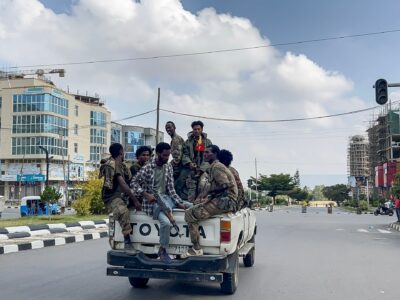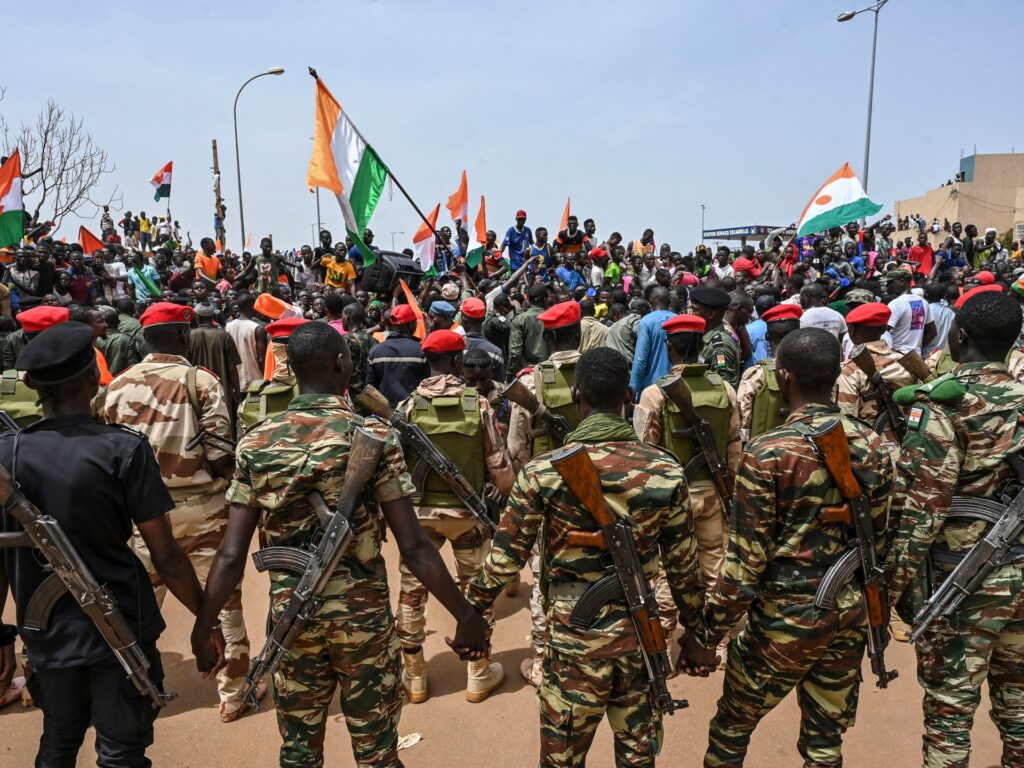
A recent failed mutiny in Niamey, the capital of Niger, has brought to light the complexities and challenges of Russia’s growing influence in the Sahel region of Africa. The uprising, which aimed to destabilize the government, was quickly suppressed, but it exposed significant tensions within Niger’s military forces. This event highlights the delicate balance of power and the evolving dynamics in a region that has become a focal point for international strategic interests.
Niger, a key country in the Sahel, has long struggled with internal security issues and militant insurgencies. The mutiny underscored the fragility of its military cohesion, revealing fractures that can have serious implications for regional stability. Within this context, Russia’s role, particularly through its proxy forces such as the so-called ‘Africa Corps,’ has come under scrutiny.
The Africa Corps, linked to Russian private military contractors, has been actively involved in supporting local governments in the Sahel against rebel groups and terrorist organizations. Their involvement in quelling the Niamey mutiny demonstrates both the tactical capabilities and the growing presence of Russian-backed forces in the region.
This incident is a testament to Russia’s strategic ambition to expand its influence in Africa, leveraging security partnerships that offer Moscow a foothold in an area historically dominated by French and Western powers. The Sahel’s vast territories and porous borders make it a challenging theater for any external military presence, raising questions about the long-term efficacy and consequences of foreign intervention.
Moreover, the mutiny exposed underlying tensions within Niger’s military, some of which are thought to be exacerbated by Russia’s involvement. Critics argue that foreign mercenary groups can deepen divisions rather than uniting security forces against common threats. The suppression of the uprising by the Africa Corps highlights their operational effectiveness but also ignites concerns about sovereignty and the potential for escalating conflict.
International observers are closely watching how Niger navigates this period of unrest and whether Russia’s role will solidify into a permanent strategic partnership or provoke backlash from other regional and international actors. The event serves as a crucial test case for Russia’s expanding ambitions in Africa and the viability of private military contractors operating in fragile states.
In summary, the failed Niamey mutiny has cast a spotlight on the multifaceted security challenges in the Sahel, the precarious state of Niger’s military unity, and the controversial but growing role of Russia’s Africa Corps. This episode will likely influence the geopolitical dynamics of the Sahel, shaping future engagements and alliances across the continent.