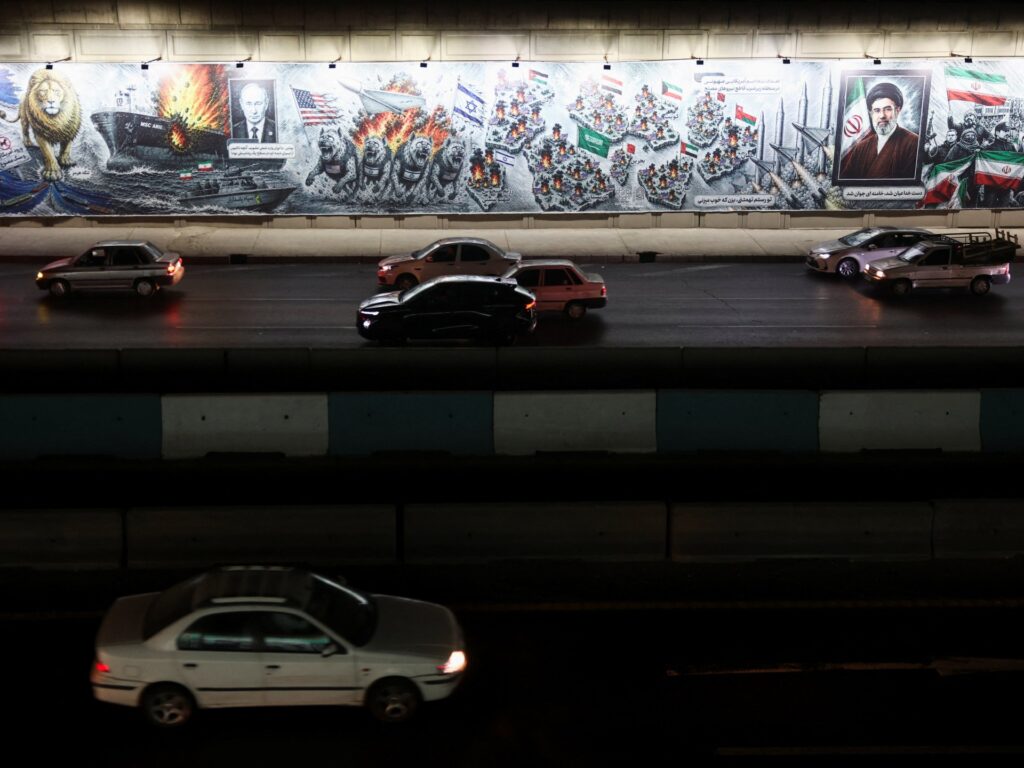
Amid escalating tensions and geopolitical uncertainty, Iran has once again asserted its stance against what it terms as “unjust” US sanctions. The Iranian government has pledged to maintain a dual approach, balancing diplomacy and defense to safeguard its national interests.
In recent statements, Tehran emphasized its commitment to pursue diplomatic channels equally alongside strengthening its defence capabilities. Iranian officials have described the sanctions imposed by the United States as unfair measures designed to destabilize the region and curb Iran’s development.
The ongoing sanctions include restrictions on trade, finance, and technology that have significantly impacted Iran’s economy over the years. Yet, despite these hurdles, Iran insists on its sovereign right to advance its domestic programs and defend its territorial integrity.
Analysts observe that Iran’s strategy reflects a calculated effort not only to confront international pressure but also to signal resilience to both its internal population and the global community.
Iran’s diplomatic efforts involve engaging with multiple countries and international organizations to seek relief from sanctions and to foster economic partnerships outside the US sphere of influence.
At the same time, Iran continues to enhance its military readiness amidst a complex security environment marked by tensions with regional neighbors and the presence of US forces in the Middle East.
Tehran’s declaration asserts that it will not be coerced into submission but rather will use all available legitimate means to defend its sovereignty and interests.
The dual approach of diplomacy and defense is seen by some experts as a pragmatic recognition of the intricate realities Iran faces, balancing international relations with the need for credible deterrence.
On the diplomatic front, Iran has reached out to allies and neutral parties to build coalitions that could offer strategic support and help mediate in the ongoing conflicts.
Defense advancements reportedly include efforts to modernize the Iranian military, increase missile capabilities, and secure its borders against any potential aggressions.
Observers note that Tehran’s official messaging serves both as a warning to Washington and as reassurance to its citizens amid ongoing economic hardships caused by sanctions.
US officials maintain that the sanctions aim to curb activities deemed threatening, including nuclear development programs and support for militant groups.
However, Iran continues to reject these allegations, asserting its right to peaceful nuclear technology and its commitment to regional peace and stability.
International reactions to Iran’s stance have been mixed, with some countries urging renewed negotiations and others emphasizing the need for a firm response to any provocations.
The situation remains fluid, with potential implications for regional security, global energy markets, and international diplomatic relations.
Analysts caution that any escalation could risk broader conflict, underscoring the importance of continued dialogue alongside defensive preparedness.
Iran’s pledge highlights the complexities nations face when navigating sanctions, sovereignty, and security in an interconnected world.
As events unfold, global attention remains focused on Tehran’s actions and the international community’s response, hopeful for a resolution that upholds peace and justice.
In summary, Iran’s declaration to stand firm against US sanctions encapsulates a critical moment in contemporary geopolitics, reflecting the ongoing struggle of balancing national defense and diplomatic engagement in a tense global landscape.