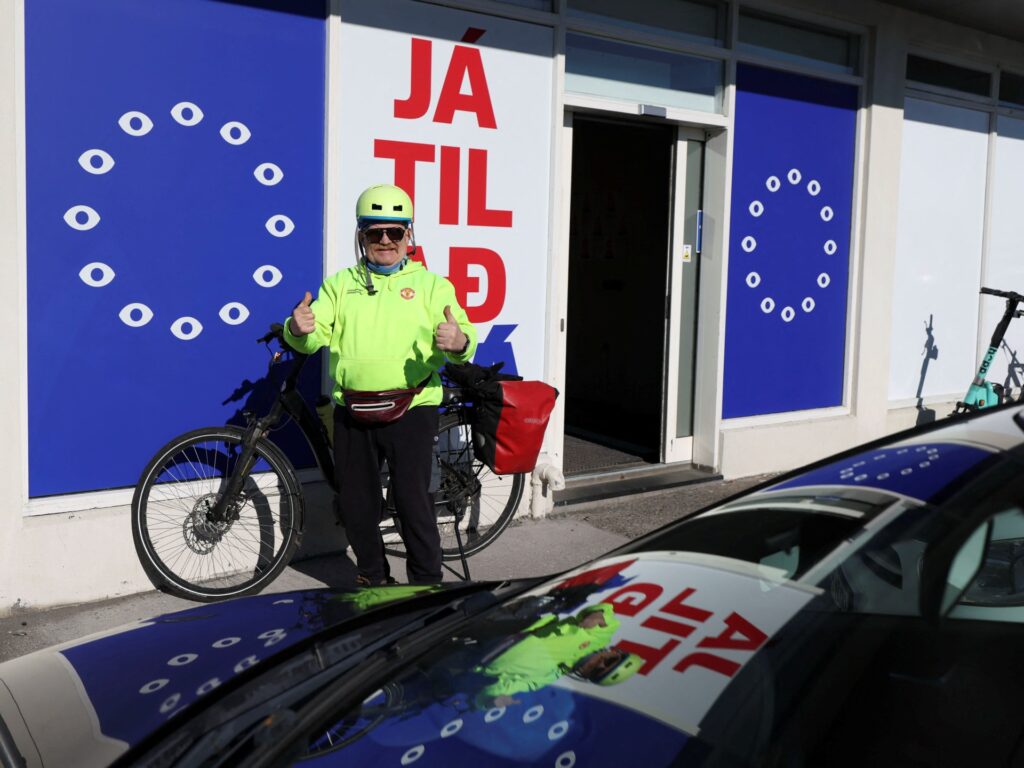
Iceland is once again at a pivotal crossroads as it heads to the polls for a referendum on whether to restart its stalled European Union accession talks. This vote comes more than a decade after the Nordic island nation paused its negotiations with the EU, reflecting evolving economic and security considerations that have brought the issue back to the forefront.
The decision to potentially revive EU membership talks comes amid a complex backdrop of domestic and international challenges. For many Icelanders, the prospect of EU accession is intertwined with hopes for greater economic stability and enhanced security ties within a rapidly changing geopolitical landscape.
Iceland’s economy, heavily reliant on fishing, tourism, and renewable energy, has seen fluctuations due to global market dynamics and regional uncertainties. Joining the EU could offer the country access to larger markets, funding opportunities, and legal frameworks designed to foster sustainable growth and economic resilience.
Security remains a paramount concern, particularly given Iceland’s strategic location in the North Atlantic. Membership in the EU could potentially enhance Iceland’s collaboration with European partners on defense and security matters, complementing its membership in NATO.
Public opinion in Iceland has been divided on the question of EU membership for years. Supporters argue that the benefits of integration with Europe—ranging from economic aid to strengthened diplomatic influence—outweigh the costs. Opponents worry about losing sovereignty over key sectors like fishing rights, which are central to the island’s identity and economy.
The referendum is expected to be closely contested, with campaigning intensifying on both sides. Proponents emphasize the need for Iceland to engage proactively with Europe to face global challenges together. They point to the advantages of having a voice in EU decision-making bodies and accessing funds designated for regional development.
Critics caution against the risks of EU regulations and policies diluting national control over resources. They stress the importance of maintaining Iceland’s independent management of its marine environment and other natural assets.
International observers have noted that this referendum is more than a national decision; it carries implications for the EU’s relations with the North Atlantic region and its approach to new member states in a time of significant geopolitical shifts.
Economists suggest that rejoining accession talks could pave the way for structural reforms in Iceland, promoting innovation and environmental sustainability. However, these changes would require careful negotiation to balance local needs with EU standards and expectations.
The outcome of the vote will likely shape Iceland’s future path, either reaffirming its commitment to sovereignty outside the EU or signaling a renewed alignment with European integration. As Icelanders cast their ballots, the nation anticipates a decision that could redefine its place on the global stage.