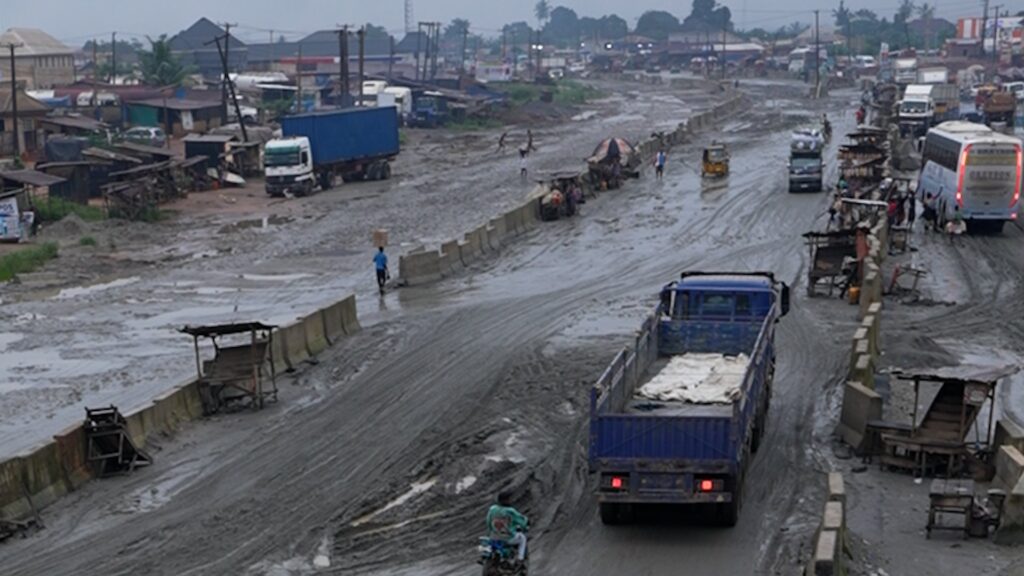
The Benin-Agbor-Asaba highway, a major transport artery in Nigeria, has recently become a site of distress for commuters and residents alike, who have found themselves stranded for days due to the dilapidated condition of the road. This situation has exposed the deep-seated infrastructure crisis facing the country, affecting not only mobility but the livelihoods and safety of thousands.
Al Jazeera reporters interviewed numerous people caught in the ordeal to understand their views and the impacts of this crisis. Many commuters expressed frustration and anxiety over the unpredictable delays caused by potholes, erosion, and general road decay that have rendered the highway nearly impassable.
One driver recounted, “Every trip costs more time and money because of frequent repairs and detours. We are risking our safety every day on this road.”
Local traders also bore witness to the economic impact, noting that delay in shipment transit times has caused significant losses. “Perishable goods often arrive spoiled, and business has been suffering tremendously,” a trader lamented.
Residents in nearby communities described the highway’s decline as a barrier to essential services access, including hospitals and schools. A nurse shared her worries about emergency response times being stretched dangerously long due to impassable road sections.
Transport unions called for urgent government intervention, demanding rehabilitation projects and regular maintenance. They emphasized the highway’s critical role in connecting southern Nigerian regions and facilitating trade.
Experts analyzing the crisis pointed to systemic underfunding of infrastructure projects, poor planning, and corruption as key contributors. They warned that sustained neglect could escalate Nigeria’s economic and social challenges, as transportation networks remain foundational to development.
Government officials have acknowledged the problem and promised action plans focusing on repair and modernization. However, skepticism remains high among citizens who have repeatedly witnessed pledges unfulfilled.
This highway debacle reflects broader national struggles with aging infrastructure, underscoring the need for long-term strategic planning and investment. Community voices clamoring for change illustrate the urgent demand for safe, reliable transportation routes that support economic growth and daily life.
As the people stranded on the Benin-Agbor-Asaba highway await relief, their plight poignantly highlights the critical role infrastructure plays in societal well-being and progress in Nigeria today.