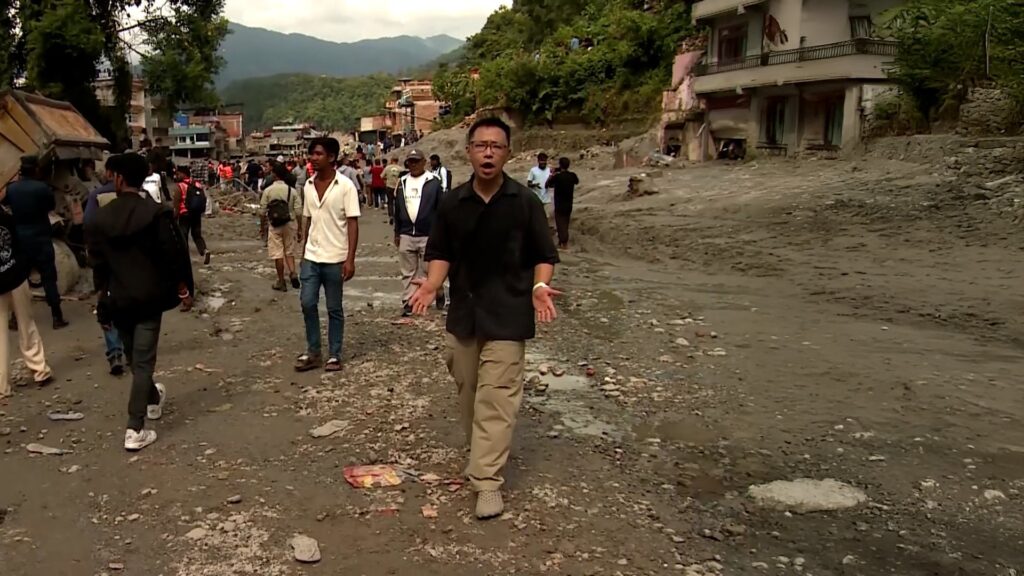
In the aftermath of devastating flash floods in Nepal, public anger is escalating due to what many survivors describe as the government’s slow and inadequate response. The sudden flash floods, triggered by heavy seasonal rains, have caused extensive damage across several regions, leading to loss of lives, destruction of homes, and uncertainty about the whereabouts of many missing persons.
Communities affected by the floods have been vocal in expressing dissatisfaction with authorities, accusing the government of delayed aid distribution and insufficient efforts in search and rescue operations. Survivors report that access to essential supplies such as food, clean water, and medical assistance has been inconsistent, with some areas remaining isolated and underserved for days following the disaster.
Families of the missing have raised urgent pleas, demanding expedited efforts in locating their loved ones, while stressing the emotional toll caused by the continued wait and lack of information. Local leaders and advocacy groups have also criticized bureaucratic hurdles and poor coordination among relief agencies as factors exacerbating the crisis.
The Nepalese government has acknowledged the challenges posed by the sudden nature of the floods and has claimed to be scaling up relief and rescue measures. However, many relief workers and victims assert that tangible improvements on the ground are yet to be observed.
Experts warn that with climate change increasing the frequency and severity of such floods, immediate and strategic action is necessary to improve disaster preparedness, response mechanisms, and infrastructure resilience.
Amidst growing public frustration, calls for accountability and transparent communication between government agencies and affected communities are intensifying. Relief organizations emphasize the need for inclusive support systems to ensure aid reaches the most vulnerable populations promptly.
As Nepal grapples with the aftermath of this natural calamity, the situation highlights the critical importance of efficient disaster management frameworks and the human cost of inaction or delayed response. The coming weeks will be crucial in determining how effectively the government can address the crisis and restore confidence among its citizens.