In the aftermath of the catastrophic flash flood that struck the region on Wednesday, Nepal and China have temporarily suspended rescue operations due to the overflow of a barrier lake that has posed severe risks to ongoing efforts. The tragic event has resulted in more than 580 confirmed fatalities and left over 2,400 individuals missing, highlighting the devastating impact of the disaster.
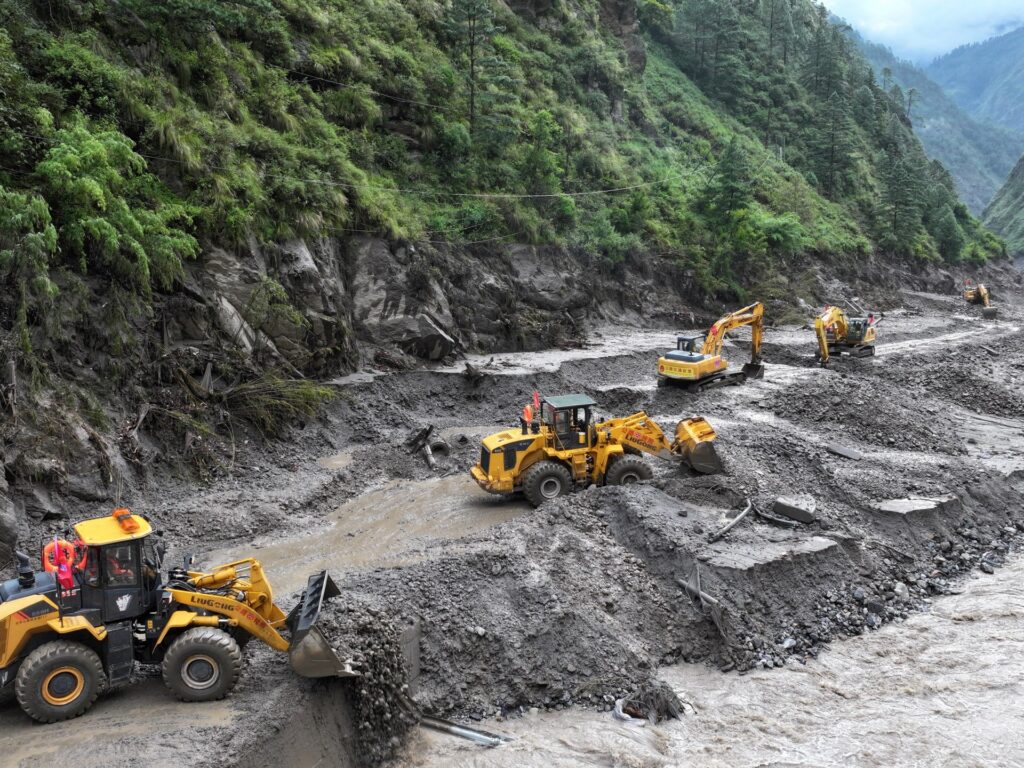
The flash flood, triggered by heavy rainfall and rapid glacier melting, caused a massive surge of water and debris through valleys and settlements, overwhelming communities and infrastructure in its path. Rescue teams from both Nepal and China, including military, firefighters, and volunteers, initially mobilized swiftly to aid survivors and recover bodies.
However, the sudden overflow of the barrier lake, formed when floodwaters blocked river passages, has necessitated a pause in operations. Authorities have cited concerns for the safety of rescue personnel and the potential for further destructive flooding downstream if the lake breaches uncontrollably.
Local officials have deployed monitoring systems to assess the stability of the barrier lake and are coordinating with meteorologists and geologists to predict the water flow and potential consequences. Emergency response units remain on standby, prepared to resume work once conditions stabilize.
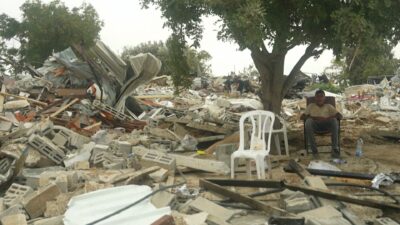
Communities affected by the flood are grappling with widespread devastation, including destroyed homes, disrupted communication lines, and contaminated water supplies. Relief organizations are working tirelessly to provide aid, including food, medical care, and temporary shelter to displaced residents.
The dual-nation cooperation underscores the severity of the disaster and the shared commitment to managing the crisis. Both Nepalese and Chinese governments have expressed condolences to the families of victims and pledged continued support for rescue and recovery operations.
As authorities monitor the evolving situation, experts emphasize the importance of disaster preparedness and infrastructure resilience in the face of increasing climate-related hazards in the Himalayan region. The tragic flash flood serves as a sobering reminder of nature’s power and the urgent need for adaptive strategies to protect vulnerable populations.
International assistance and solidarity are being sought to aid the massive relief effort, with appeals made for donations, technical expertise, and equipment to manage the complex rescue and recovery process.
Overall, the combined efforts of Nepal and China highlight the challenges posed by natural disasters in mountainous border regions and the critical need for collaborative response mechanisms. Recovery from this unprecedented tragedy will require significant resources, coordination, and time, as the affected communities strive to rebuild and heal.