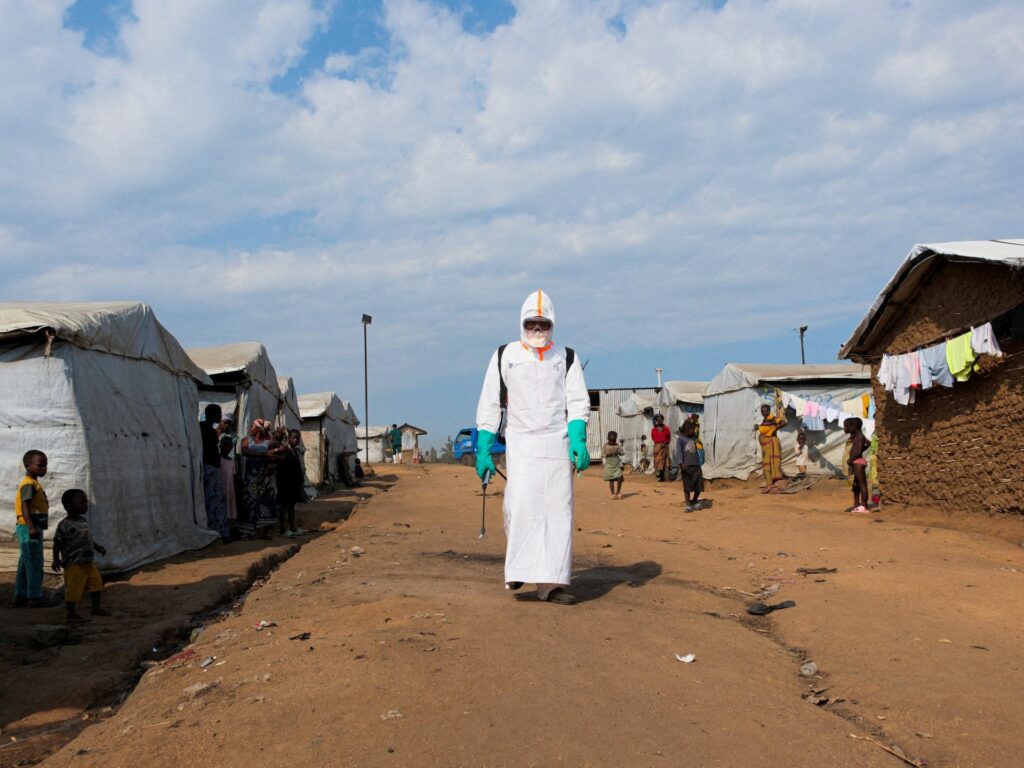
The Democratic Republic of Congo (DRC) is currently grappling with the fastest-spreading Ebola outbreak ever recorded, marking a critical public health emergency. Recent reports indicate that the virus has spread to two additional zones, pushing the total number of affected areas to 60. This alarming development underscores the increasing challenges faced by health workers and authorities in containing the deadly disease.
Since the outbreak began, the DRC has confirmed a total of 5,794 Ebola cases, with 2,786 deaths reported, illustrating the severity and high fatality rate of this particular strain. The rapid spread to new zones highlights the virus’s aggressive transmission dynamics and the urgent need for comprehensive containment strategies.
Ebola, a viral hemorrhagic fever, is notorious for its high mortality rate and its capacity to cause widespread panic and disruption in affected communities. The virus is transmitted through direct contact with bodily fluids of infected individuals or contaminated materials. The DRC’s complex geography, ongoing conflicts, and limited healthcare infrastructure have exacerbated the challenges of managing this outbreak.
Health officials and international organizations have mobilized resources to combat the epidemic, including vaccination campaigns, treatment centers, and public awareness initiatives. The introduction of experimental vaccines and improved treatment protocols have provided some hope in reducing transmission and mortality rates.
Despite these efforts, controlling the outbreak has proven difficult. The newly affected zones are often remote and have limited access to healthcare facilities, complicating surveillance and response activities. Additionally, misinformation and mistrust among some communities have hindered effective engagement and cooperation with health initiatives.
The global health community continues to monitor the situation closely, emphasizing the necessity of sustained funding, cross-border cooperation, and community engagement to prevent further spread. There is a critical need for coordinated strategies that address both the medical and socio-economic aspects of the outbreak.
In conclusion, the expansion of Ebola to two new zones within the DRC, bringing the total affected areas to 60, serves as a stark reminder of the virus’s lethality and the complexities involved in managing such outbreaks. Continued vigilance, innovation, and partnership are essential to ultimately contain and eradicate Ebola in the region and prevent future public health crises.