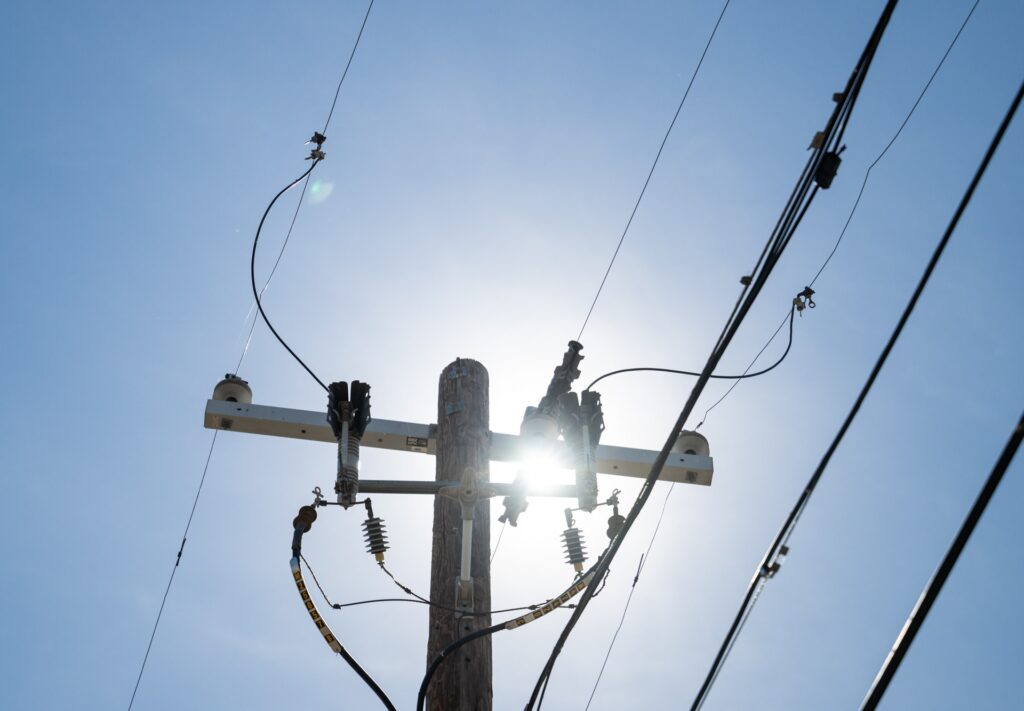
In a decisive move aimed at safeguarding the United States’ critical infrastructure, former President Donald Trump issued an executive order banning the use of certain foreign-made equipment within the nation’s energy grid. This bold action comes as a response to what the order terms an ‘unusual and extraordinary foreign threat’ to the security and reliability of the country’s energy systems.
The executive order underscores the strategic imperative to protect the energy grid from potential vulnerabilities that foreign technology might introduce. By declaring a national emergency, the order authorizes stringent measures to exclude equipment from specified foreign entities deemed to pose a risk to the grid’s integrity.
The decision highlights growing concerns over espionage, sabotage, and other security risks associated with reliance on foreign-made components in critical infrastructure. The directive specifically prohibits procurement and installation of equipment originating from certain countries or companies identified as threats.
Industry experts note that the energy grid serves as a backbone for national security, economic stability, and public safety. Compromise of its systems could lead to wide-scale disruptions including power outages, data breaches, and compromised communications.
The ban is likely to impact utility providers, contractors, and manufacturers who currently depend on imported hardware, necessitating a swift transition to trusted domestic or allied sources. While this may temporarily disrupt supply chains and increase costs, supporters argue the priority must remain on securing the nation’s energy assets against foreign interference.
The order also directs relevant federal agencies to work in coordination with industry stakeholders to evaluate and mitigate any residual risks associated with existing foreign equipment and to accelerate development of secure alternatives.
Critics of the executive order warn of potential trade tensions and argue that such sweeping prohibitions could limit innovation and drive up energy costs. However, proponents maintain that the protection of critical infrastructure justifies robust preventive measures.
This executive order fits within a broader context of heightened scrutiny towards foreign technology in key sectors amid geopolitical tensions. It reflects an ongoing effort by the U.S. government to assert control over supply chains and bolster resilience against emerging cyber and physical threats.
Overall, the ban on foreign equipment within the U.S. energy grid marks a significant step towards fortifying national security. It sends a clear signal of vigilance and proactive defense in safeguarding essential services that underpin American society and economy.
As the situation evolves, stakeholders across government and industry will need to collaborate closely to balance security priorities with operational efficiency and economic considerations, ensuring the continued reliability and safety of the nation’s energy infrastructure.