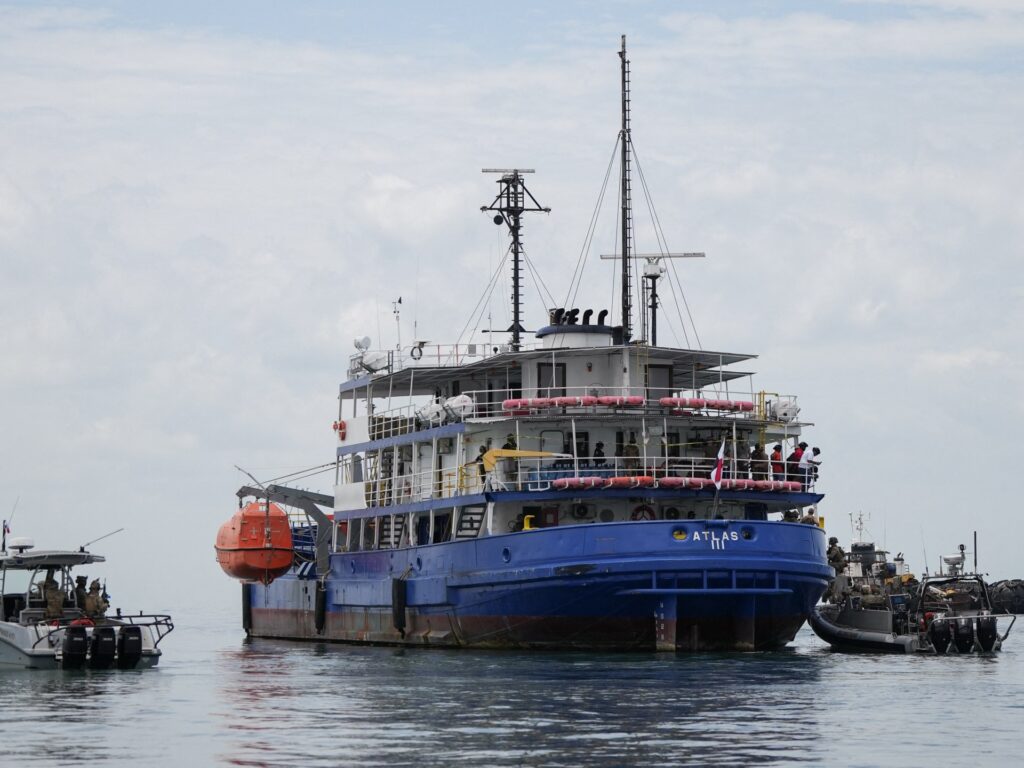
In a recent development, the US military has conducted a strike on a vessel suspected of drug smuggling activities, resulting in the deaths of two individuals. The operation took place under the watchful eye of the US Southern Command, which identified and targeted the boat after determining its involvement in illicit narcotics trafficking along well-known routes.
The strike occurred on a Sunday, highlighting the ongoing efforts by US forces to combat the flow of illegal drugs into the country and disrupt the operations of narco-traffickers who utilize maritime pathways for their activities. The targeted vessel was operating along established narco-trafficking corridors that are frequently monitored due to their significance in the drug trade network.
Southern Command officials provided limited details about the strike but confirmed the engagement was a calculated move to diminish the operational capabilities of drug smuggling networks. This action aligns with the broader strategic objectives of US military and law enforcement agencies committed to combating drug trafficking across the region.
The strike represents an escalation in the use of military force against narcotics operations, underscoring the severity of the drug trafficking issue that has long plagued countries in the Americas. The vessels targeted in these strikes are often used to transport large quantities of drugs, making their interdiction a priority for US defense and security forces.
The identities of the individuals killed in the strike have not been disclosed, and investigations are ongoing to gather more intelligence about the vessel’s origin, ownership, and the scale of its drug smuggling activities. The US military’s presence in the region continues to be pivotal in deterring illegal drug shipments and supporting allied nations in their counter-narcotic efforts.
This strike also signals a commitment to protecting regional stability and security by disrupting the financial and operational structures of narco-traffickers. By targeting key components of the trafficking infrastructure, US forces aim to reduce the influx of illegal drugs that contribute to violence and instability in affected communities.
The Southern Command remains vigilant, emphasizing their dedication to cooperative regional strategies aimed at minimizing drug trafficking and promoting lawful maritime activity. They have called on international partners to assist in intelligence sharing and joint operations to further strengthen border security and reduce the reach of drug cartels operating at sea.
As the investigation into this incident continues, the US military has reiterated its stance on the importance of employing a combination of military, law enforcement, and diplomatic tools to address the complex challenges posed by drug trafficking in the Western Hemisphere.
This strike serves as a stark reminder of the ongoing battle against narcotics and the lengths to which the US will go to curb illegal drug operations that threaten public safety and national security in the region.