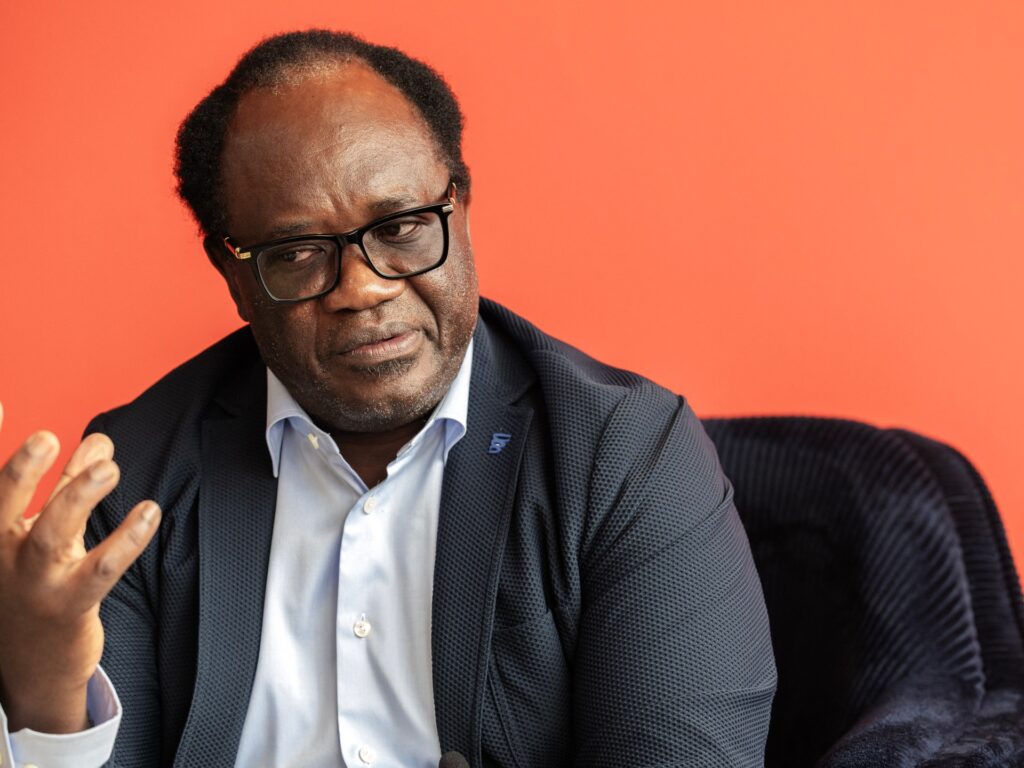
In a significant political development in Zambia, the opposition leader has announced plans to legally challenge the recent presidential election results. The announcement comes amid claims of ‘serious irregularities’ during the electoral process, which ultimately led to President Hakainde Hichilema securing a second term in office.
The opposition’s move to contest the election outcome highlights growing tensions within Zambia’s political landscape. President Hichilema, who has been in power since his first election victory, was declared the winner for a consecutive term, reinforcing his leadership amid various national challenges.
However, the opposition leader disputes the fairness and transparency of the electoral process. According to the opposition, numerous issues were observed, including alleged inconsistencies in vote counting, irregularities at polling stations, and potential voter suppression tactics. These claims form the basis of the legal challenge filed shortly after the election results were announced.
This legal contest underscores the vital role judicial bodies play in upholding electoral integrity in democratic societies. The court’s examination of the opposition’s allegations is expected to be thorough, potentially involving audits, witness testimonies, and expert analyses of the voting procedures.
The Zambian judiciary faces the critical task of balancing the demand for a transparent review with the need to maintain political stability. The outcome of this challenge could have far-reaching implications for Zambia’s democratic process and its international reputation as a stable democracy in Africa.
Political analysts emphasize that while election disputes are not uncommon in emerging democracies, the approach taken to resolve such challenges is crucial. A fair, transparent, and timely judicial resolution can strengthen the democratic fabric, ensuring all voices are heard and electoral outcomes reflect the genuine will of the people.
The opposition’s decision to proceed with a court challenge rather than engage in street protests also signals their commitment to legal and peaceful means of addressing electoral grievances. This path could serve as a precedent for resolving future disputes in Zambia and other regional democracies.
President Hichilema’s administration has yet to respond publicly to the opposition’s claims and the filing of the court challenge. Observers are keenly watching government officials’ statements and actions in the coming days, as they anticipate efforts to reassure the public and maintain order.
Meanwhile, international entities monitoring Zambia’s elections have called for calm and encouraged all parties to seek a resolution through dialogue and legal channels. The African Union and other regional organizations have expressed support for strengthening democratic institutions and processes in Zambia.
The unfolding legal battle serves as a reminder of the complexities inherent in democratic elections, particularly in nations grappling with socio-economic and political transformations. It also highlights the importance of robust institutions that can withstand political pressures and uphold the rule of law.
As Zambia navigates this electoral dispute, the broader community awaits the court’s decision, hoping for a resolution that respects democratic principles and fosters national unity. The case will likely be closely studied by political stakeholders across Africa and beyond, underscoring the continent’s ongoing journey toward democratic maturity.
In conclusion, the Zambian opposition’s challenge to the presidential election result marks a pivotal moment in the country’s political narrative. The pursuit of justice through legal means represents a crucial test for Zambia’s democracy and could influence how future electoral conflicts are managed both within Zambia and in other emerging democracies worldwide.