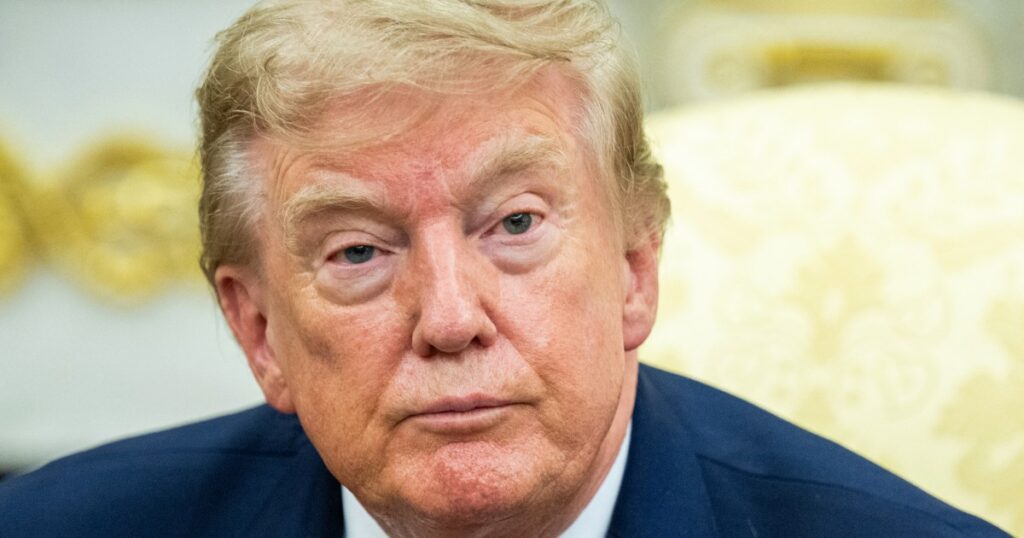
In a startling development amid ongoing tensions between the US and Iran, former President Donald Trump has reportedly threatened to bomb Oman. This marks the second time such a threat has been made concerning the strategically vital Strait of Hormuz, a critical chokepoint through which a significant portion of the world’s oil supply passes.
The threats have come amidst a severe deadlock in peace negotiations between the United States and Iran. These negotiations, which aim to resolve longstanding disputes related to Iran’s nuclear program and regional influence, have encountered numerous obstacles, stalling any progress toward a diplomatic solution.
The Strait of Hormuz, located between Oman and Iran, is of immense geopolitical importance. It is a narrow passage through which approximately 20% of the global petroleum trade flows daily. Control or disruption of this waterway has far-reaching implications for global energy markets and international security.
Trump’s threats reflect escalating frustrations and strategic posturing. While he is no longer the sitting president, his influence within certain factions of American politics and media remains significant. Analysts interpret his statements as an attempt to apply pressure on Iran by targeting Oman, which borders the strait and has historically maintained a neutral and diplomatic stance in regional conflicts.
Oman’s role as a mediator in Middle Eastern disputes is well established. It has often served as a discreet channel for communication between Iran and Western powers, including the US. Threatening Oman could undermine these informal diplomatic channels and escalate regional insecurity.
The context of the threats includes recent incidents of maritime confrontations in the Hormuz region, including attacks on oil tankers and increased naval presence by US and Iranian forces. These incidents heighten the risk of miscalculation that could lead to broader conflict.
Experts warn that bombing Oman would drastically destabilize the already fragile geopolitical environment. It could disrupt the flow of oil, spike global energy prices, and trigger a wider military confrontation involving multiple nations.
The international community has expressed concern over the potential for increased hostilities stemming from these threats. Calls for renewed diplomatic efforts and de-escalation have been issued by various countries and international organizations.
While Trump’s exact motivations remain debated, it is clear that the threat to bomb Oman symbolizes the deepening impasse in US-Iran relations. It underscores the challenges facing diplomacy in the current global climate where regional rivalries, strategic interests, and domestic politics intertwine.
The situation remains fluid, with observers closely monitoring developments in the Strait of Hormuz and the broader Middle East. The hope among many is for a return to dialogue and a peaceful resolution to the tensions that threaten global stability and prosperity.